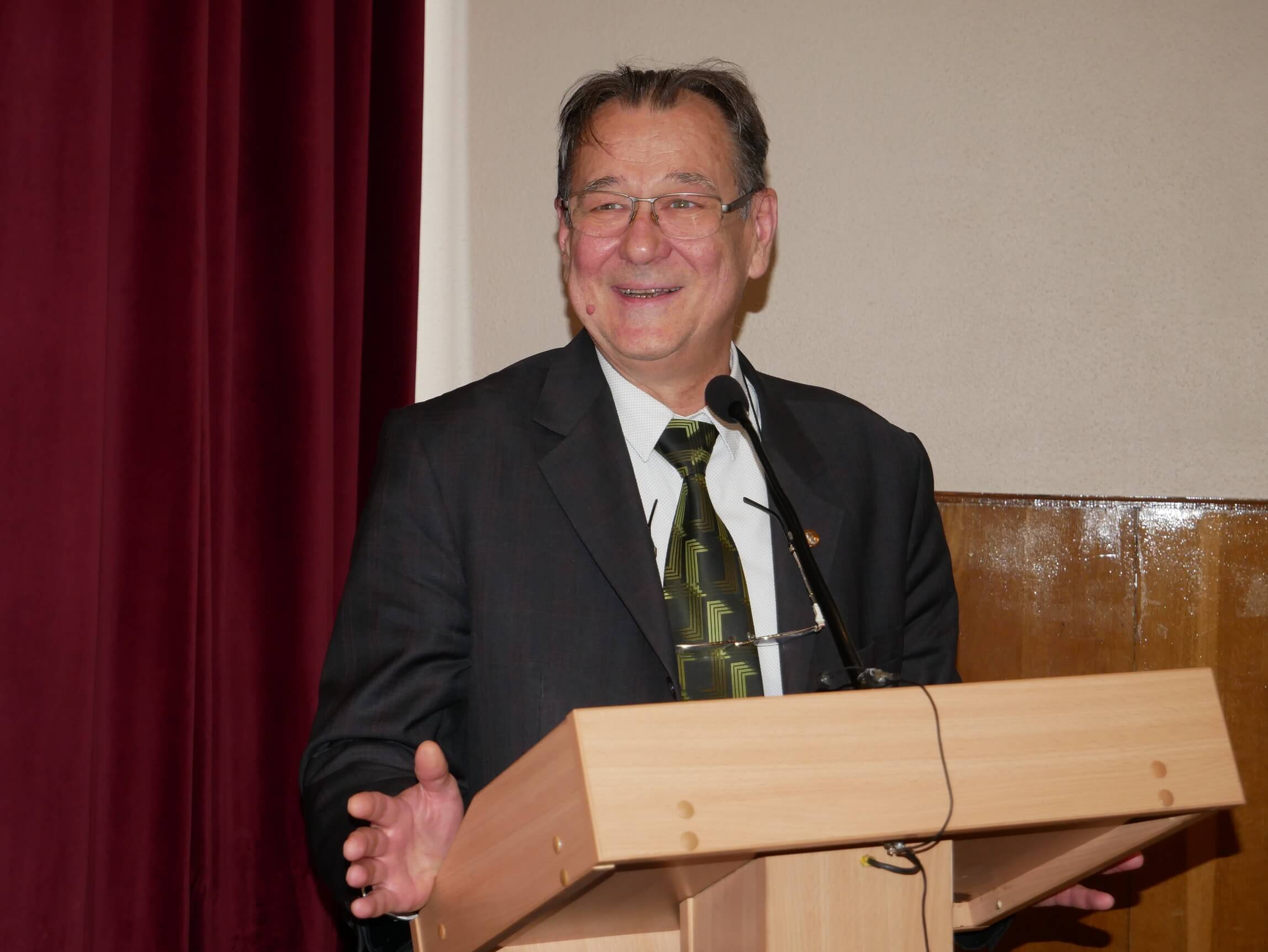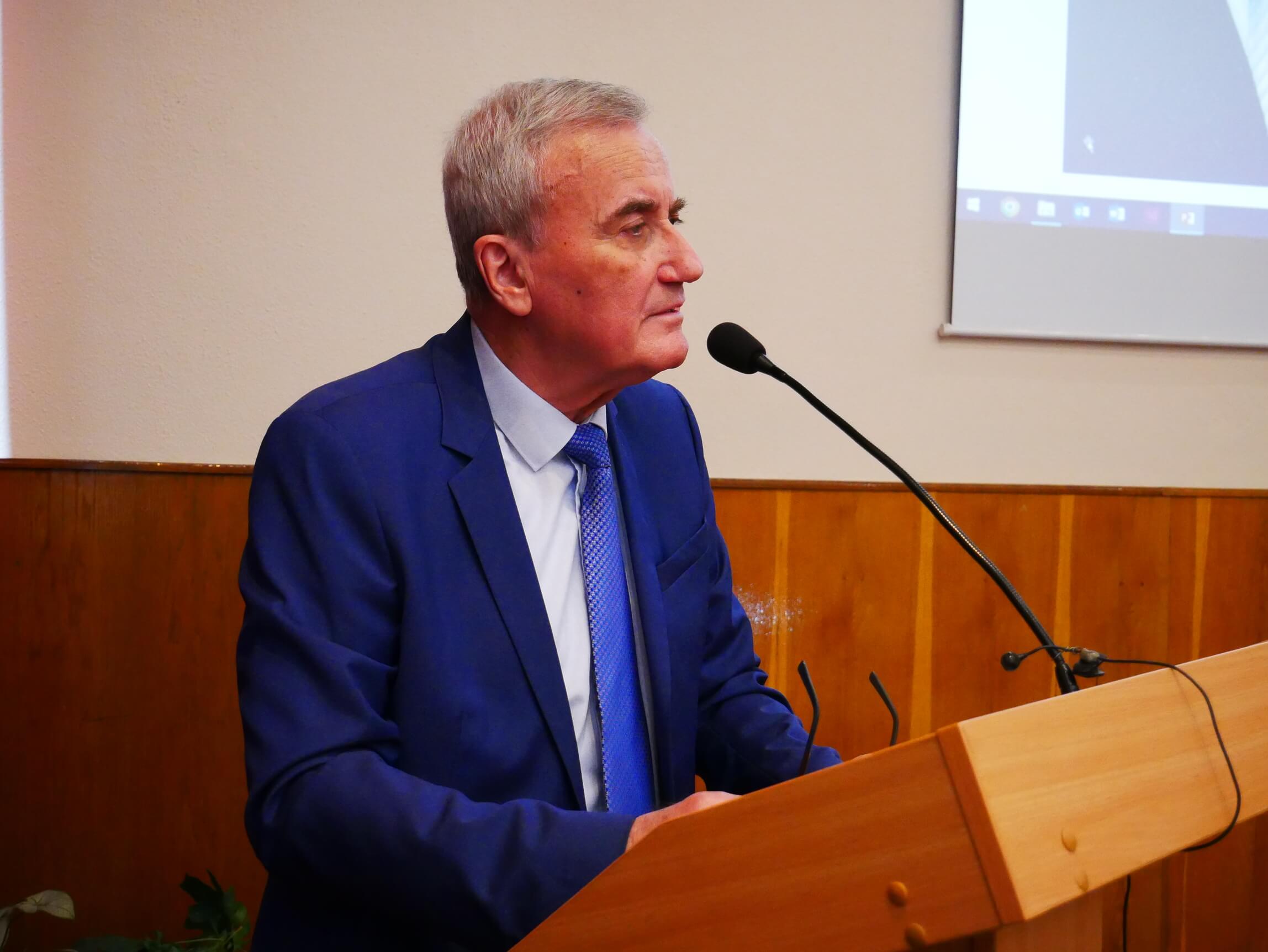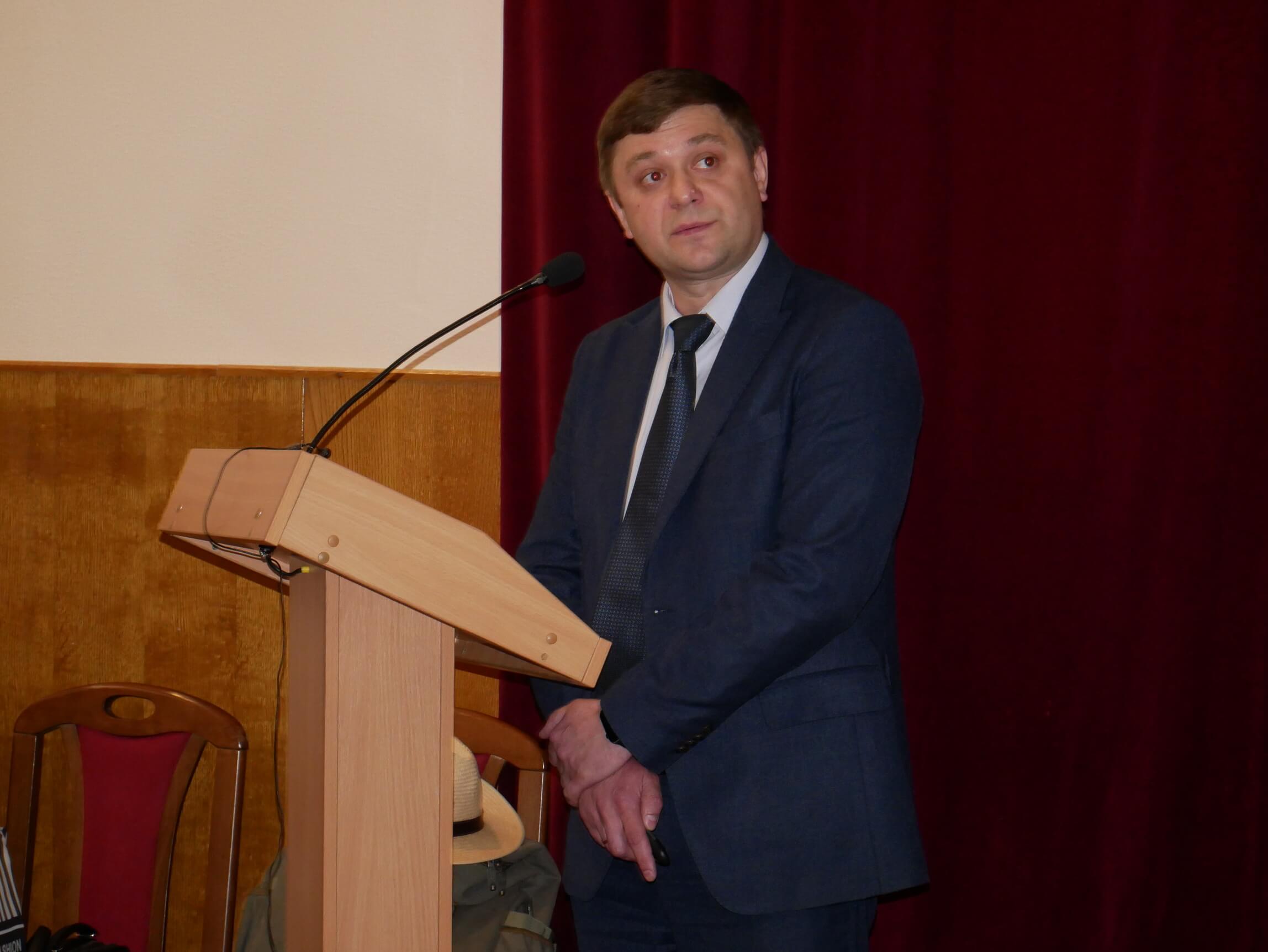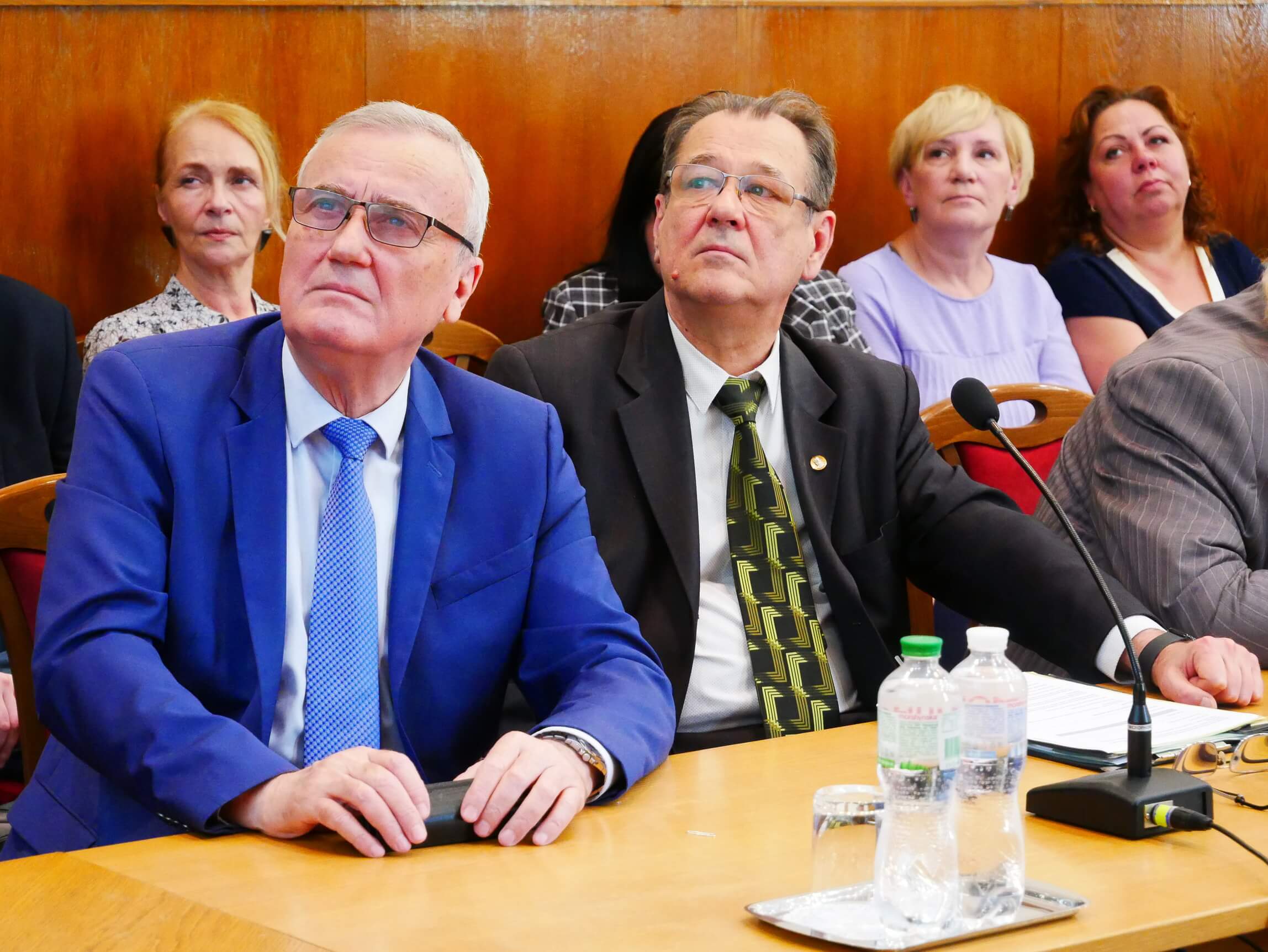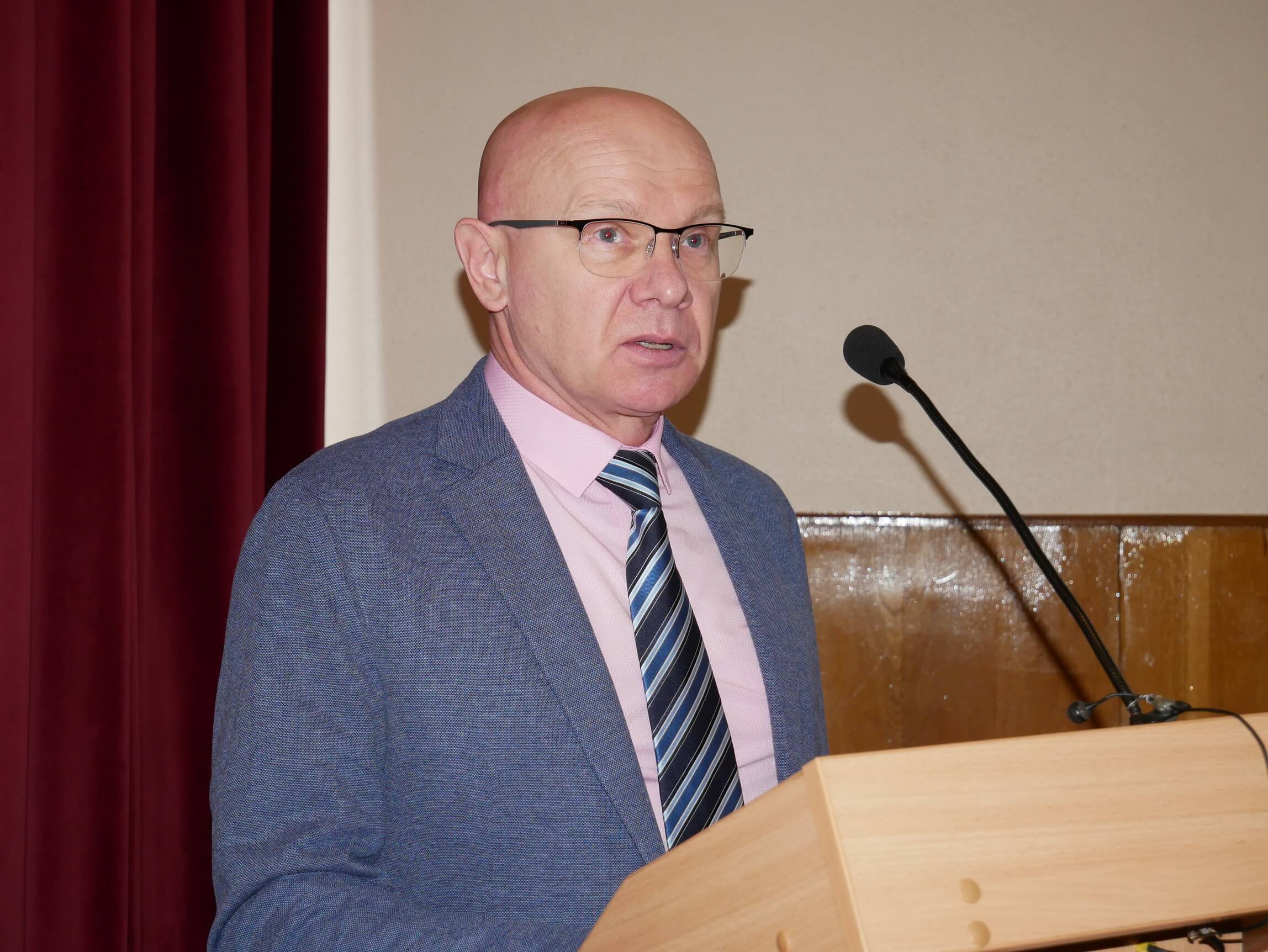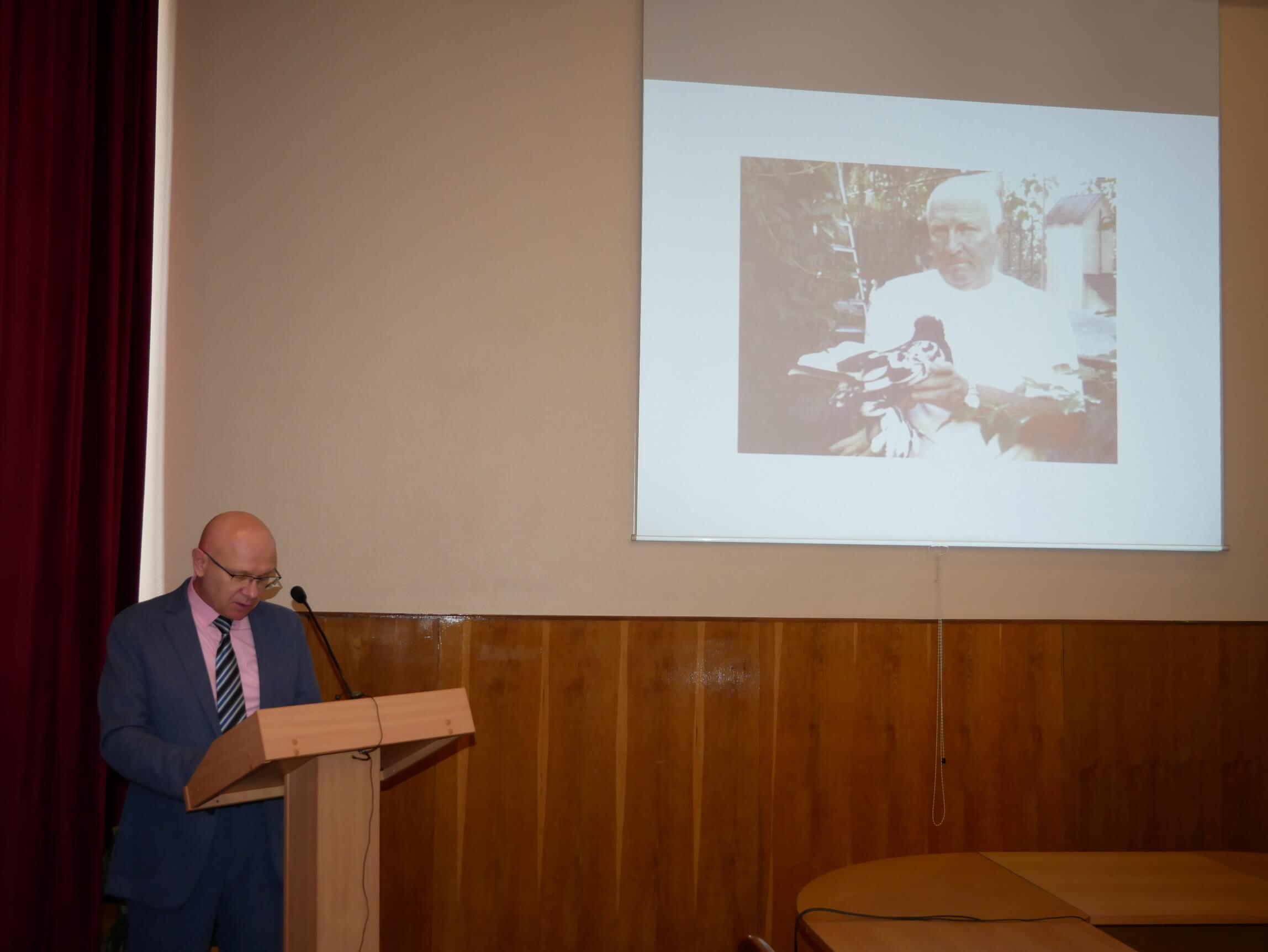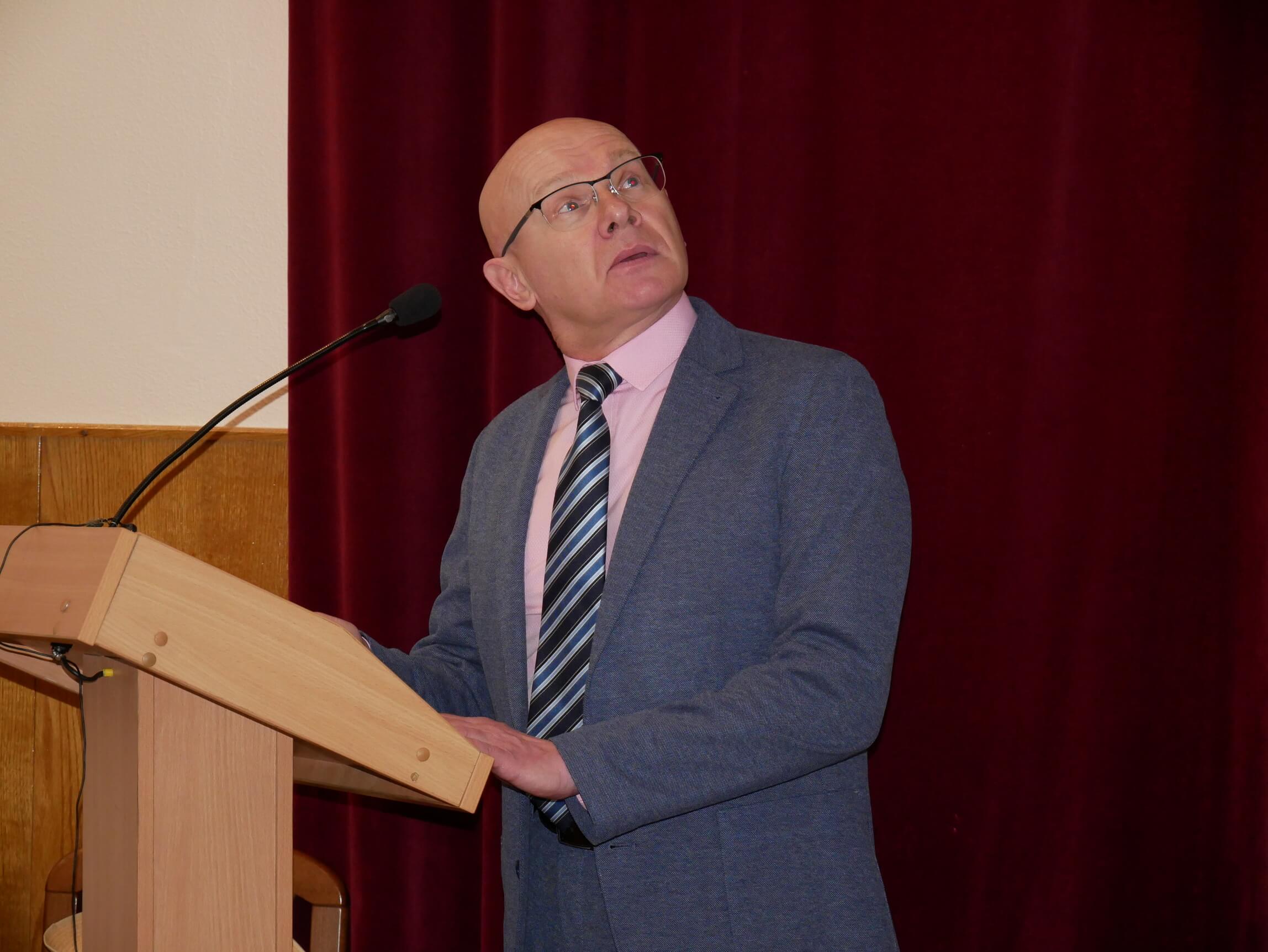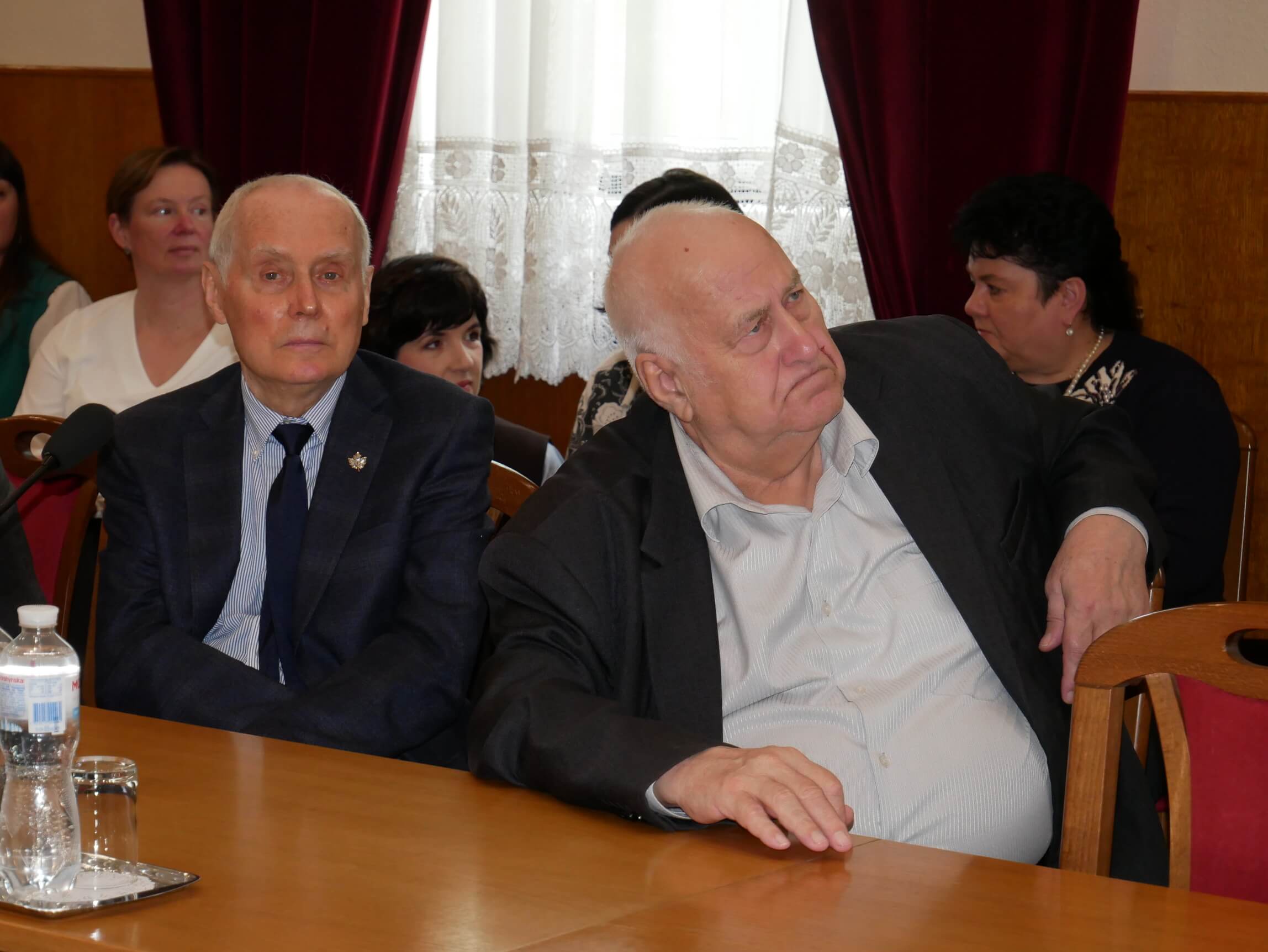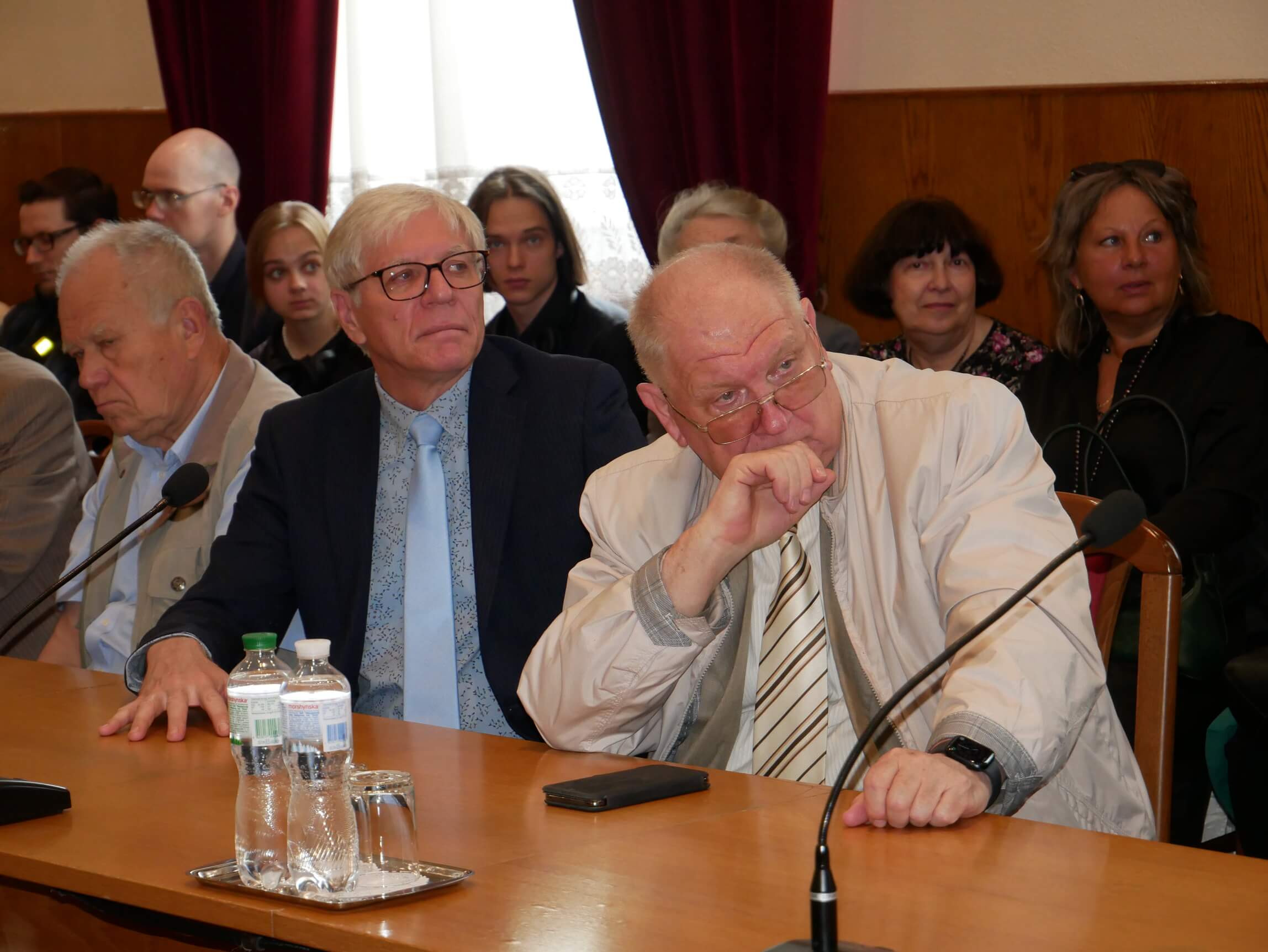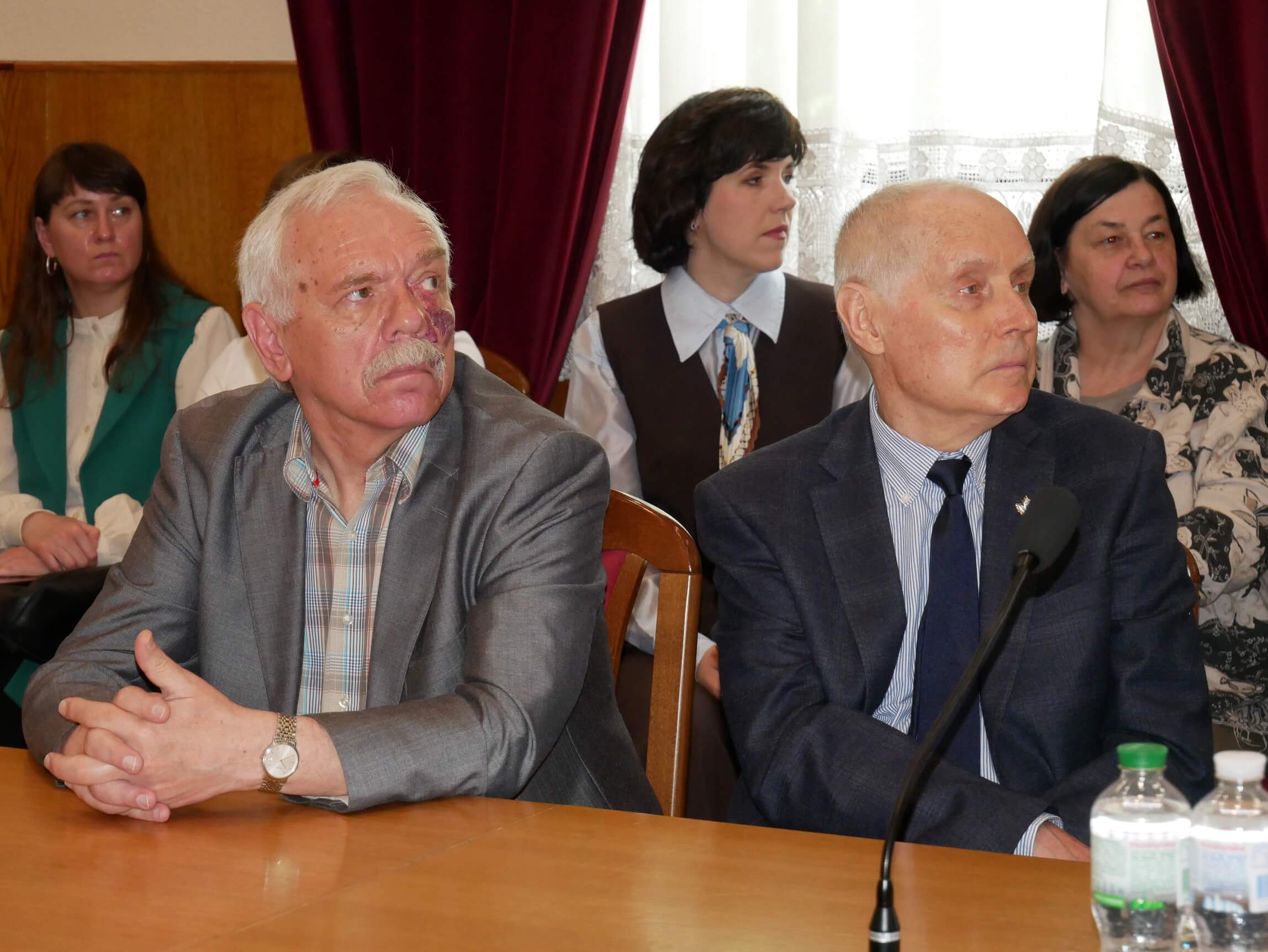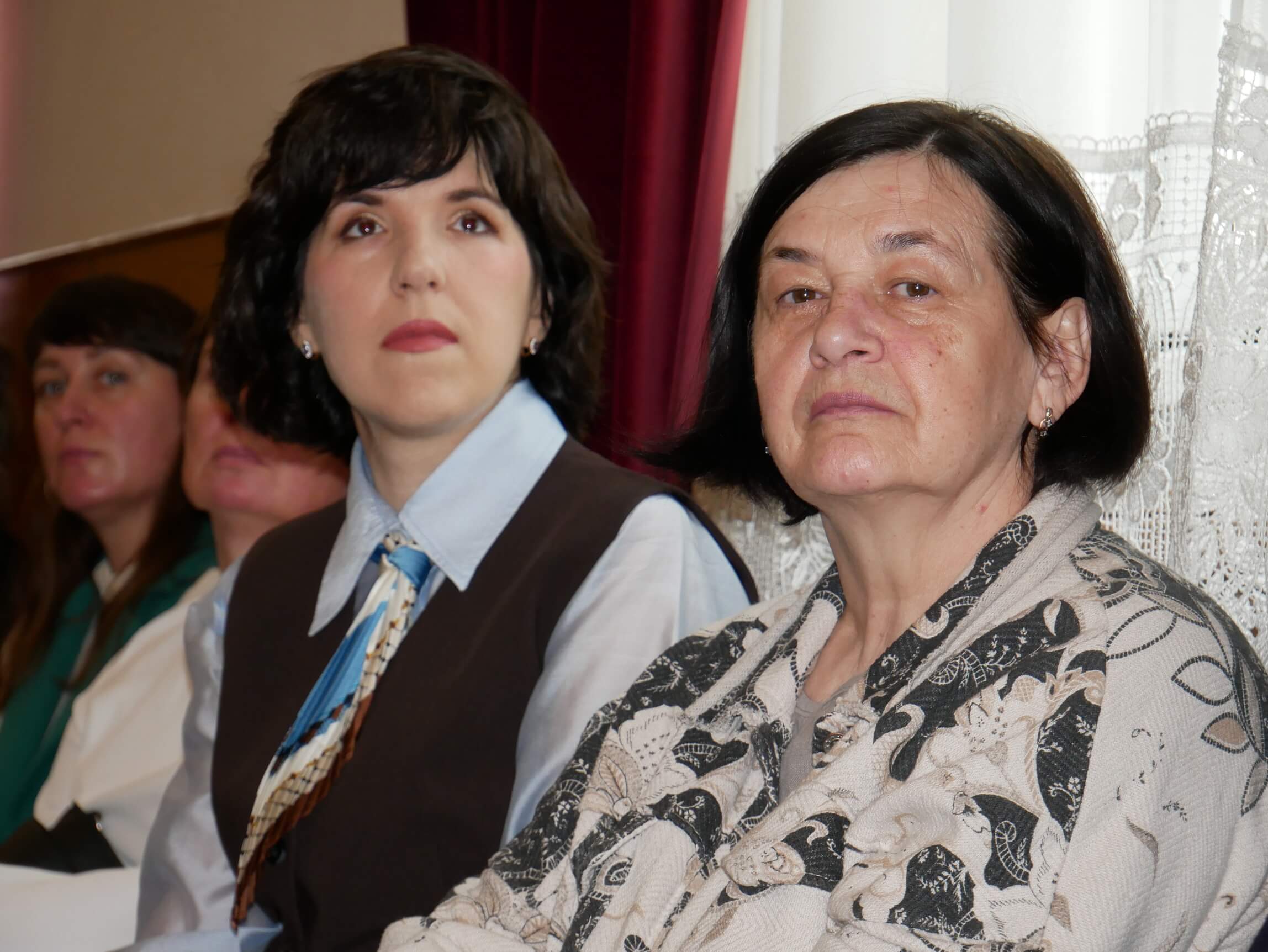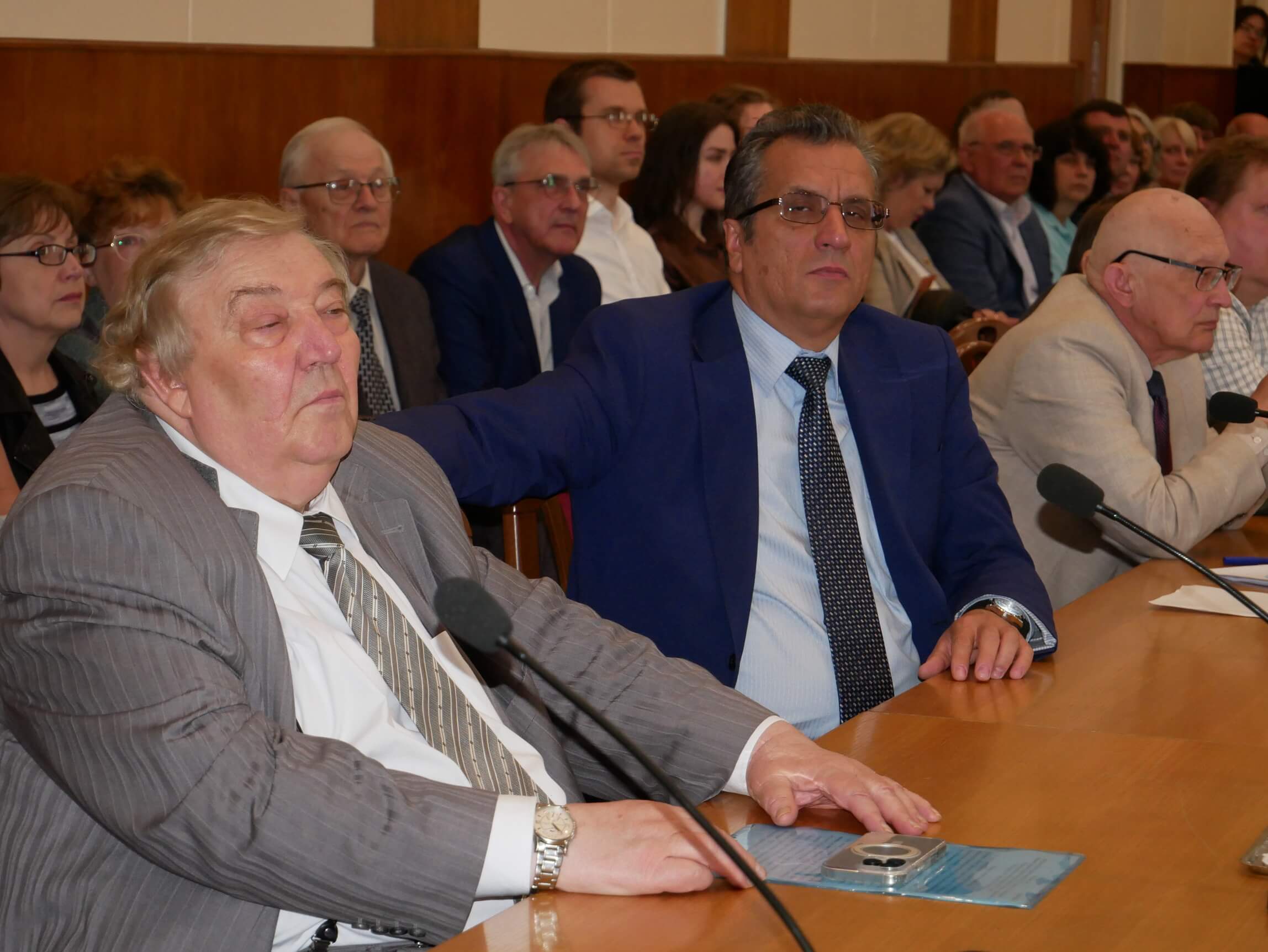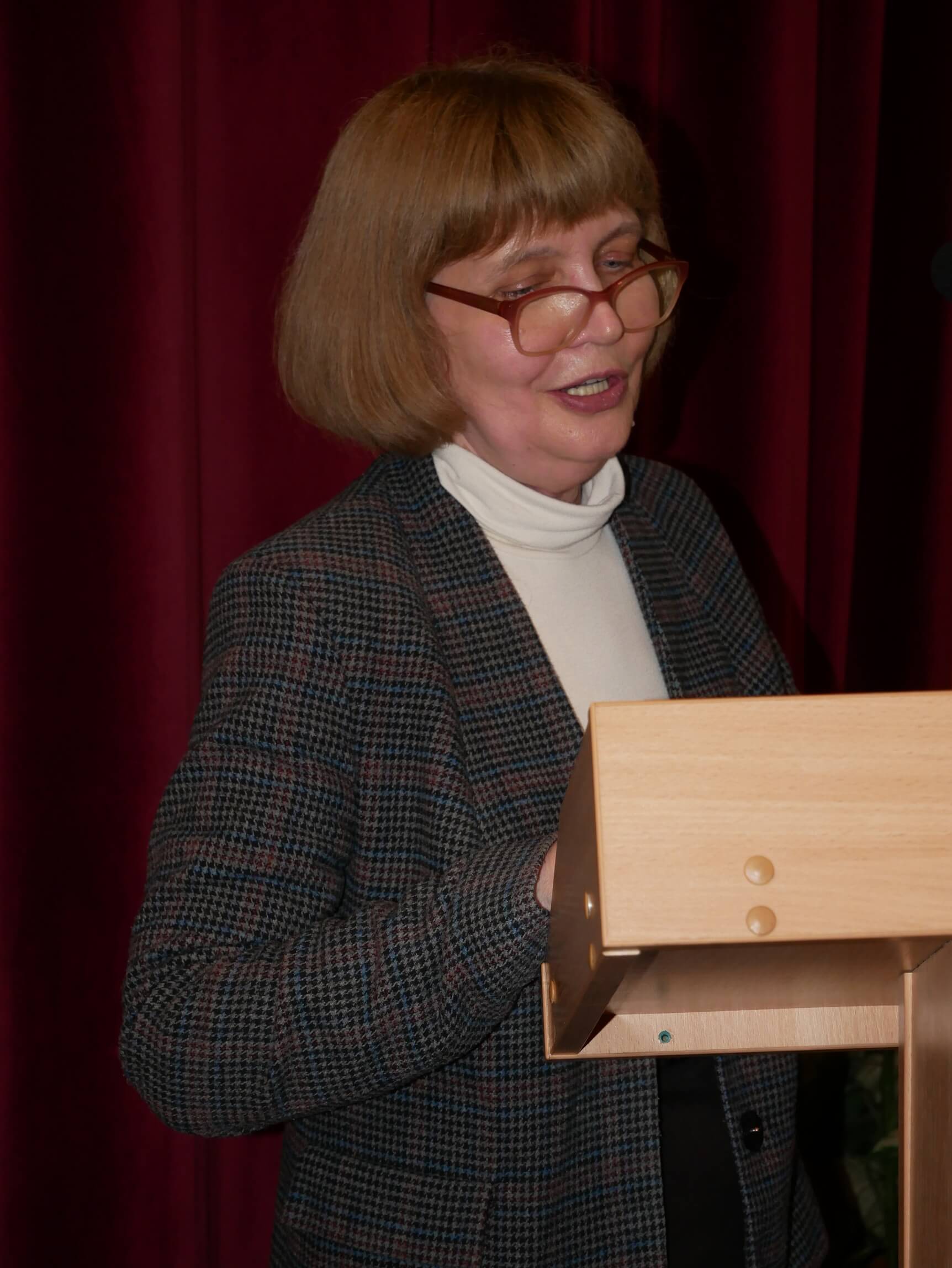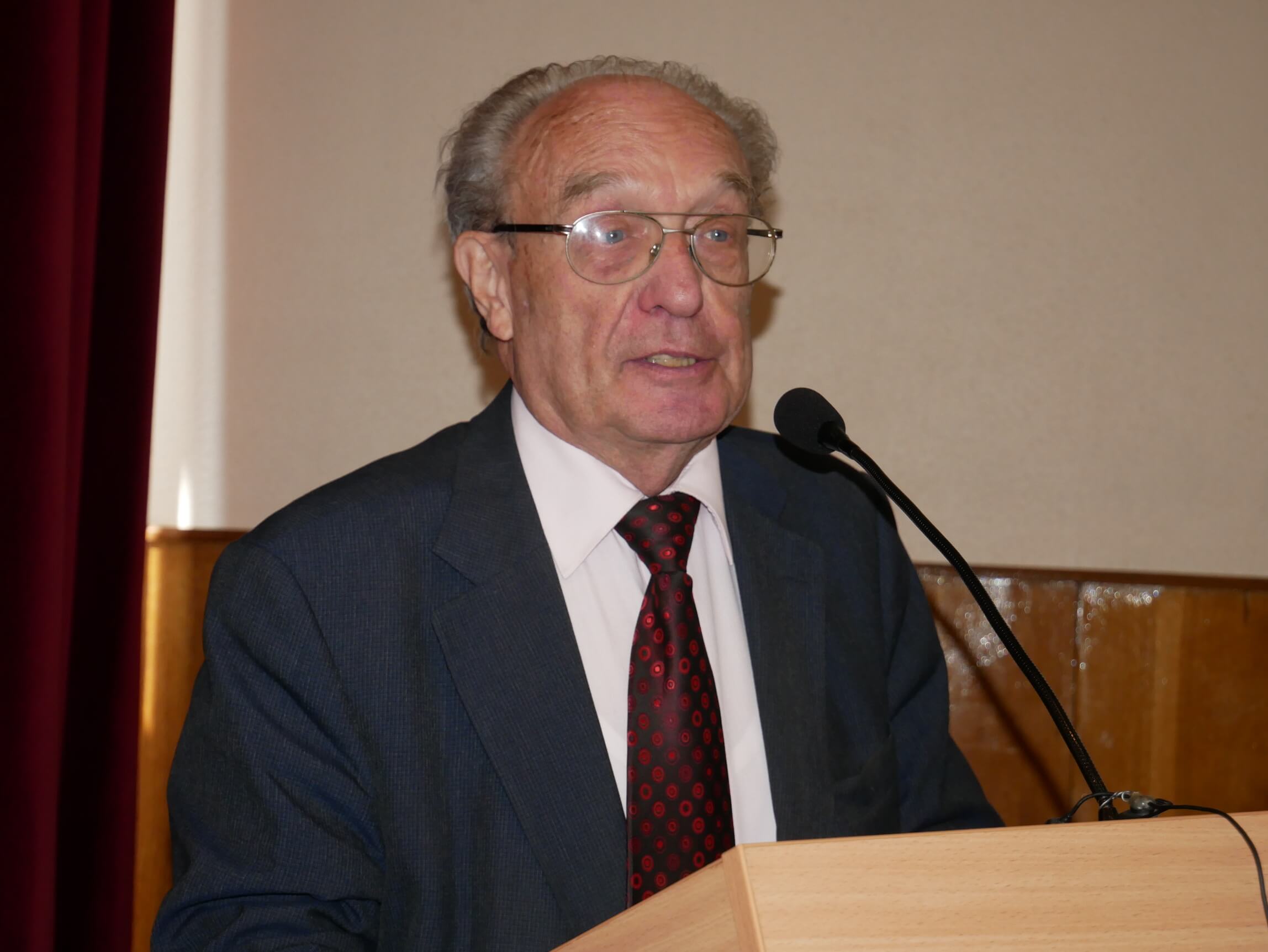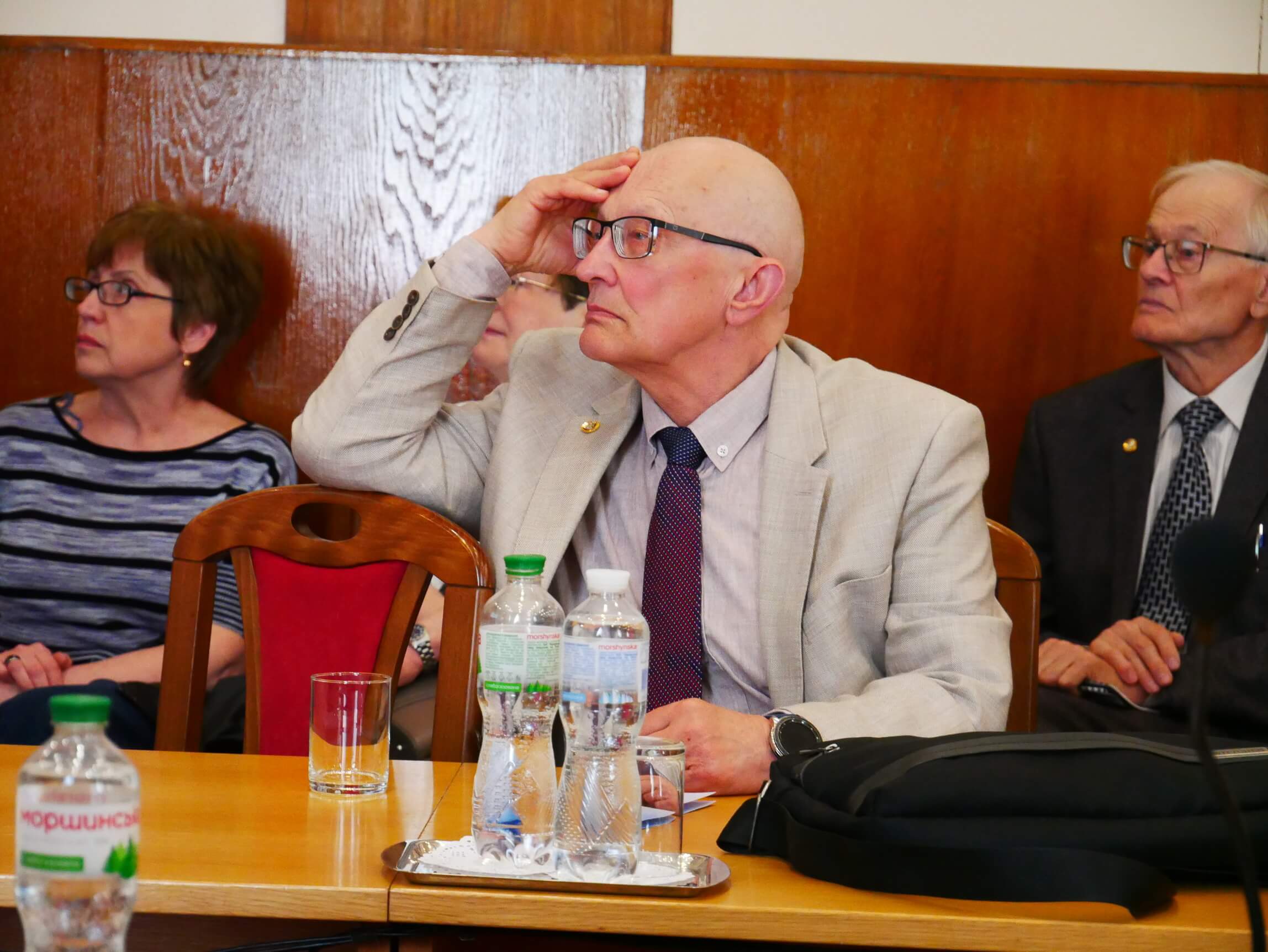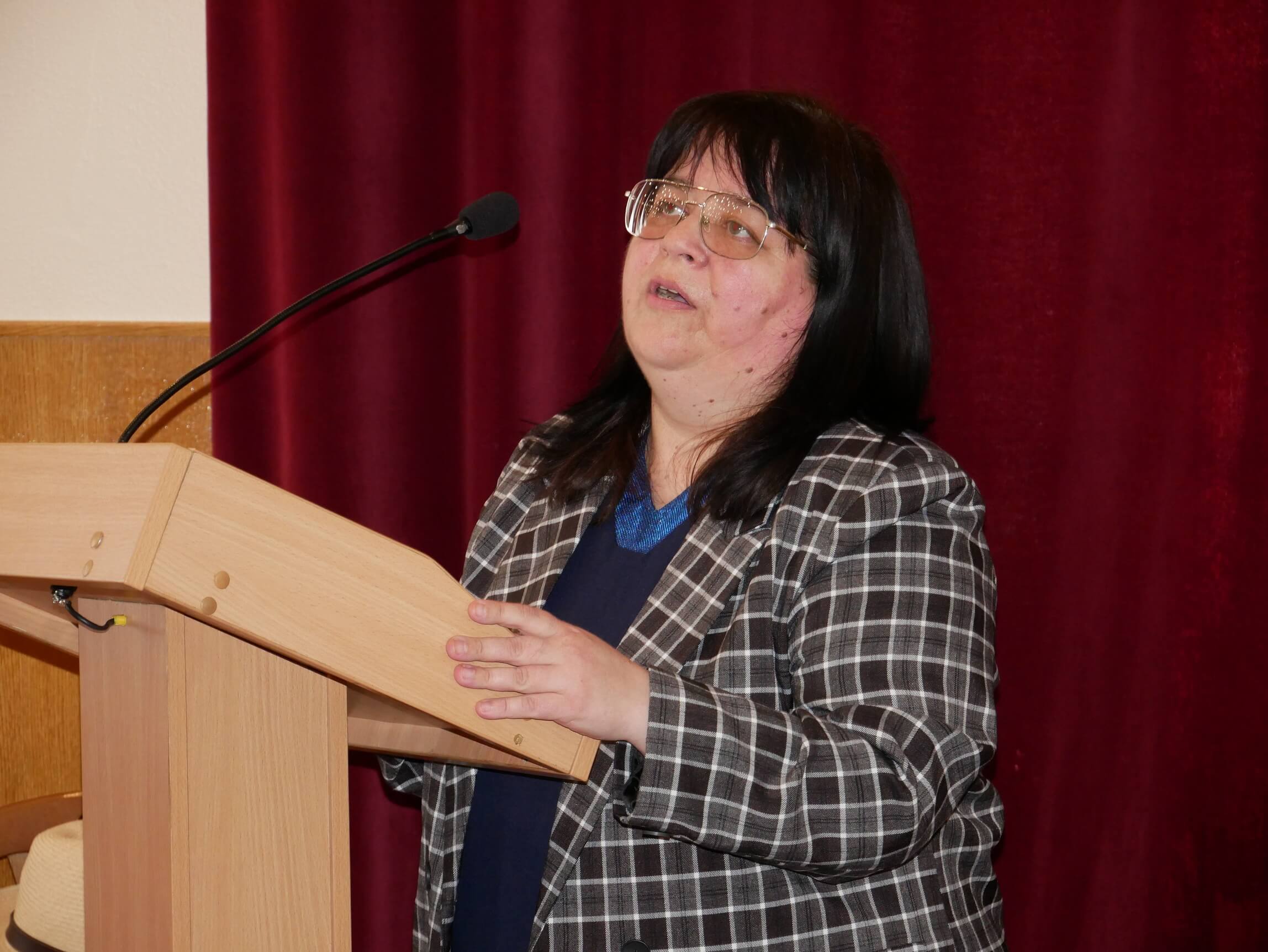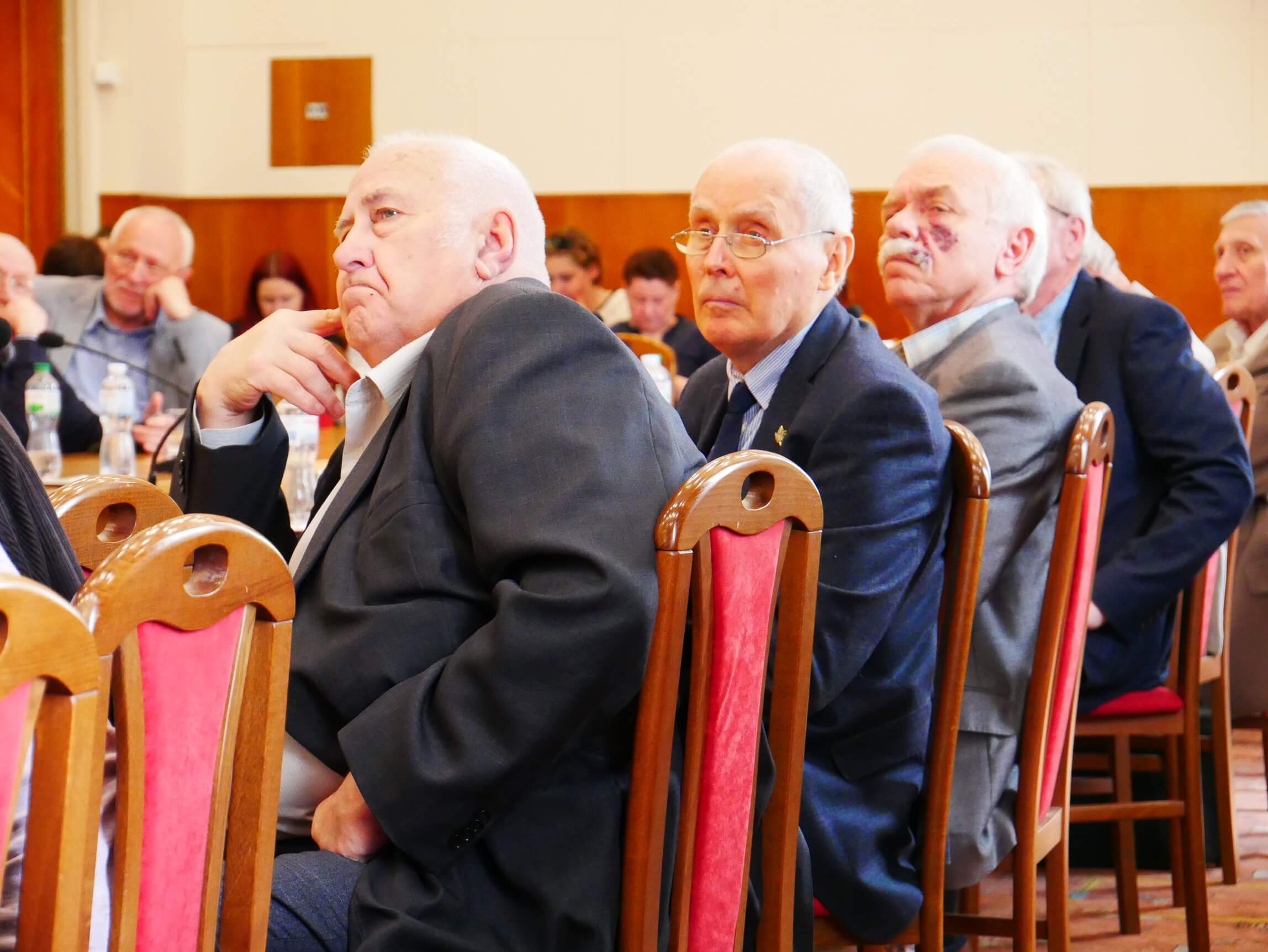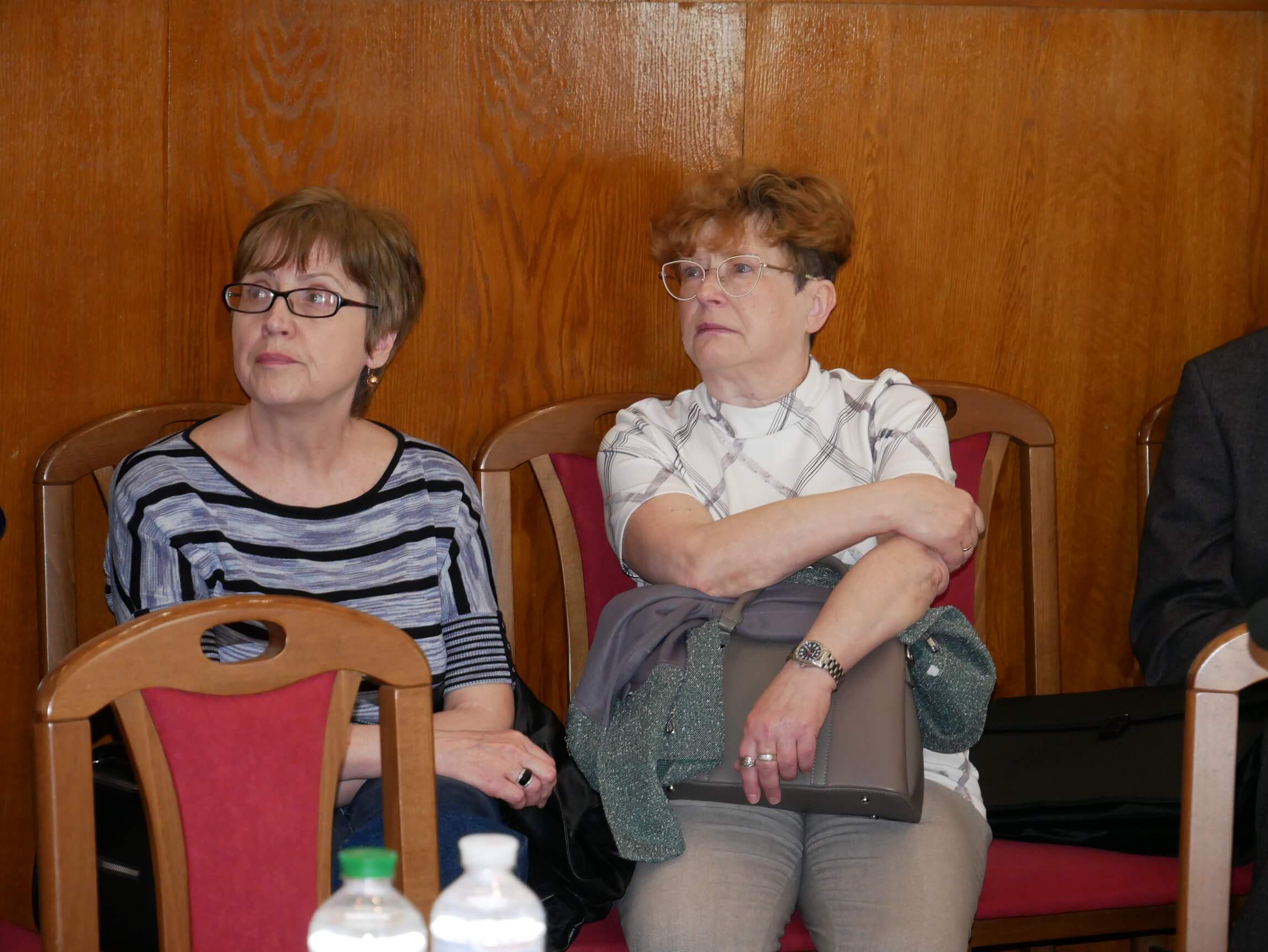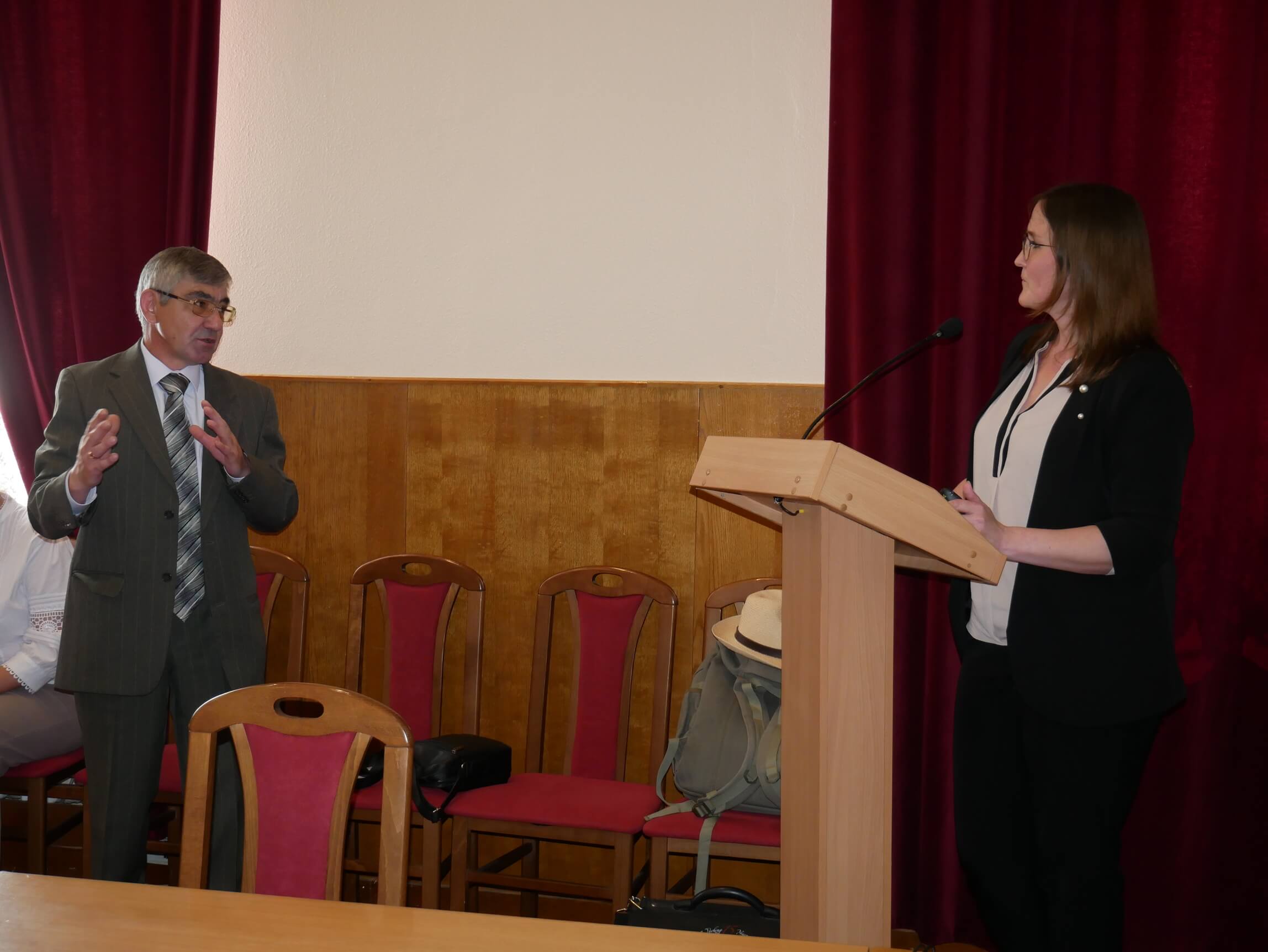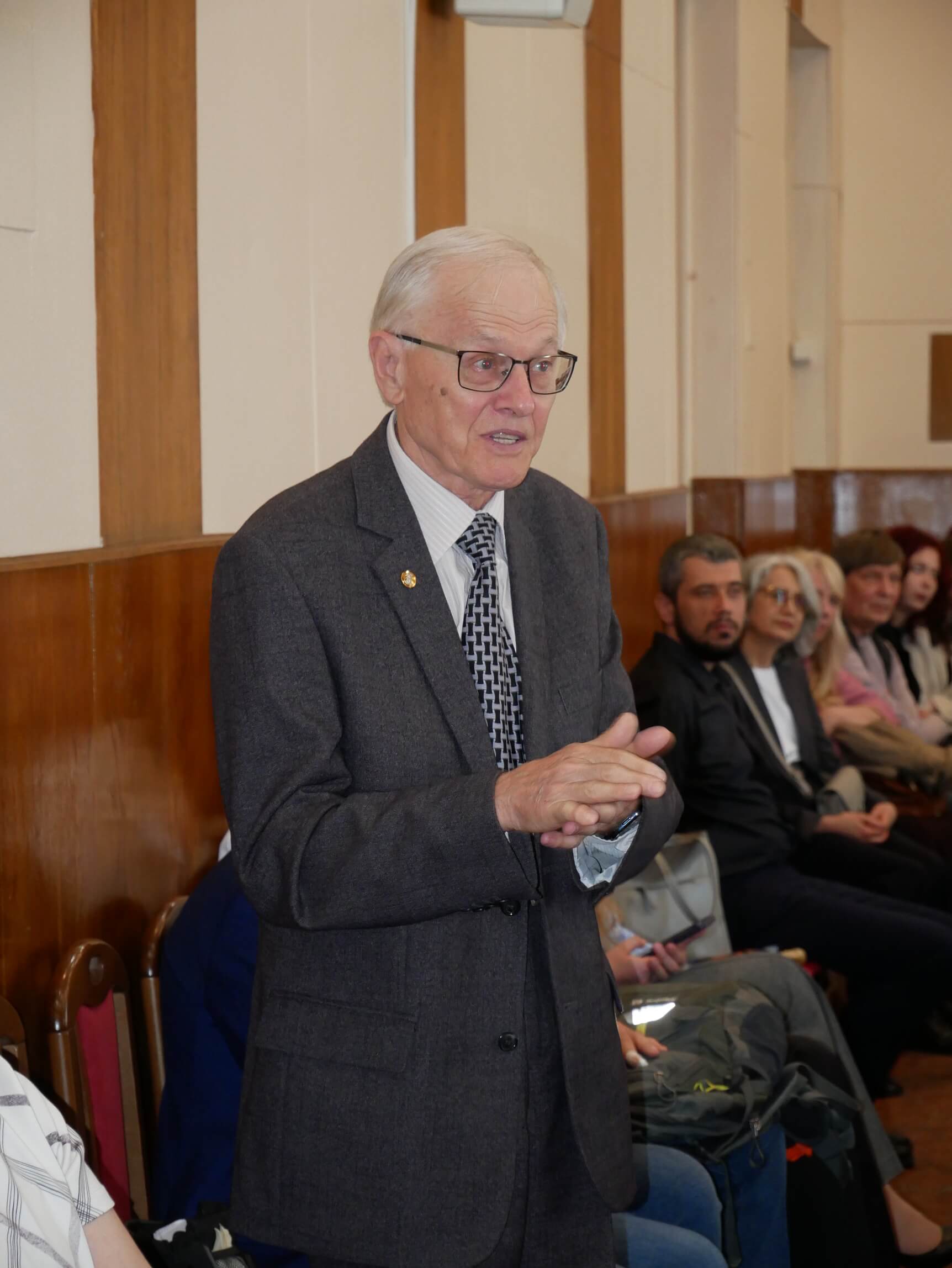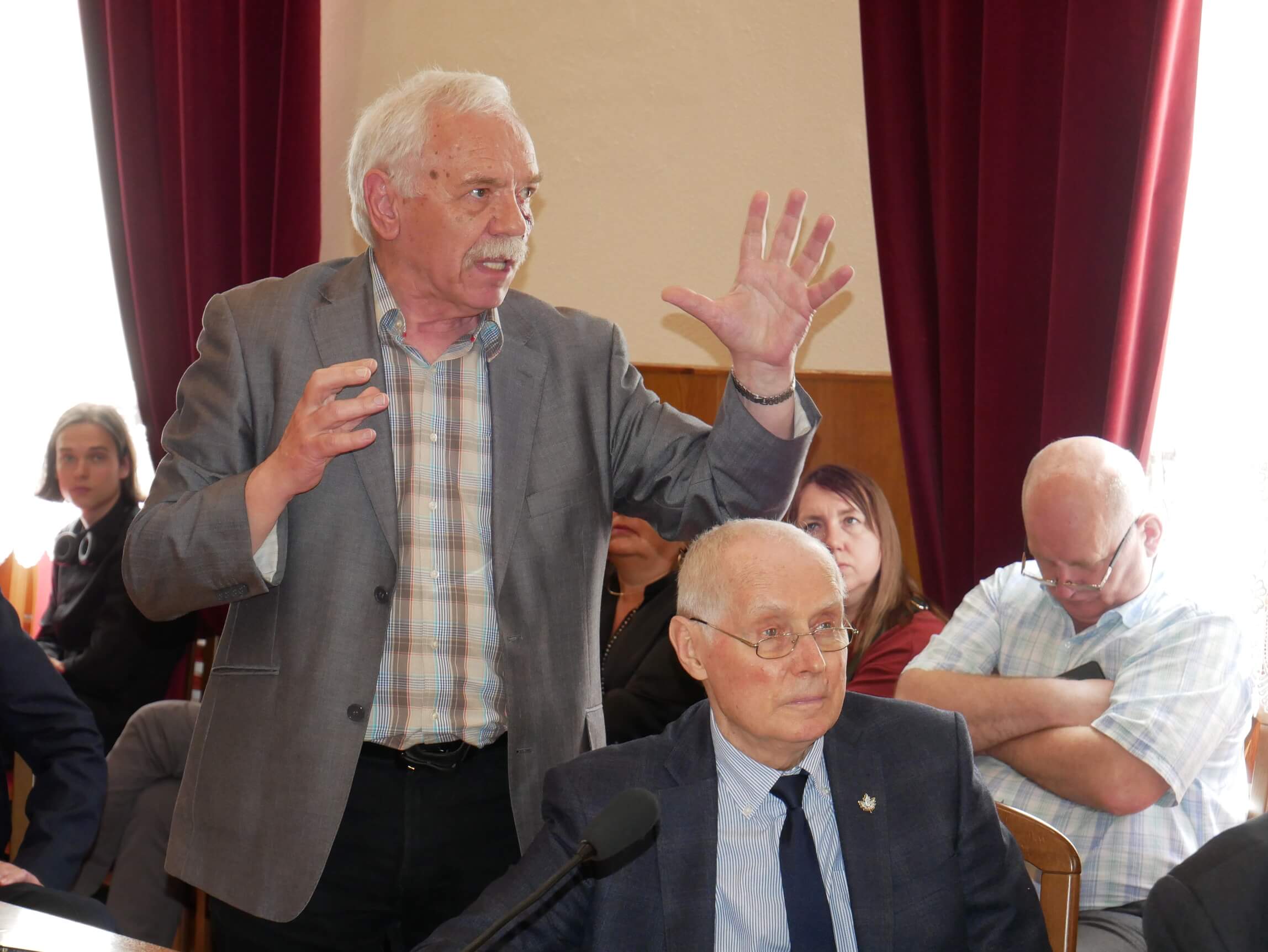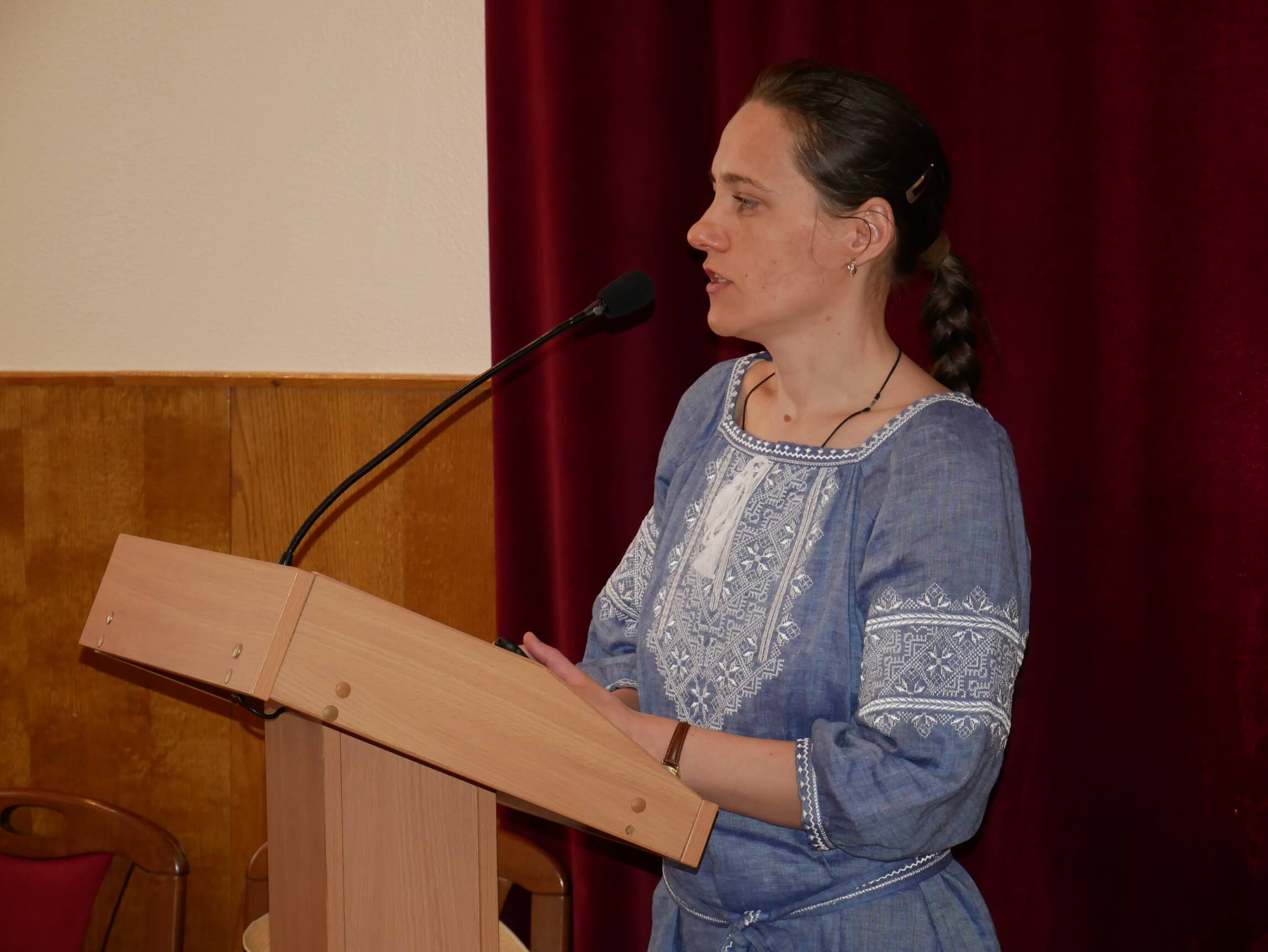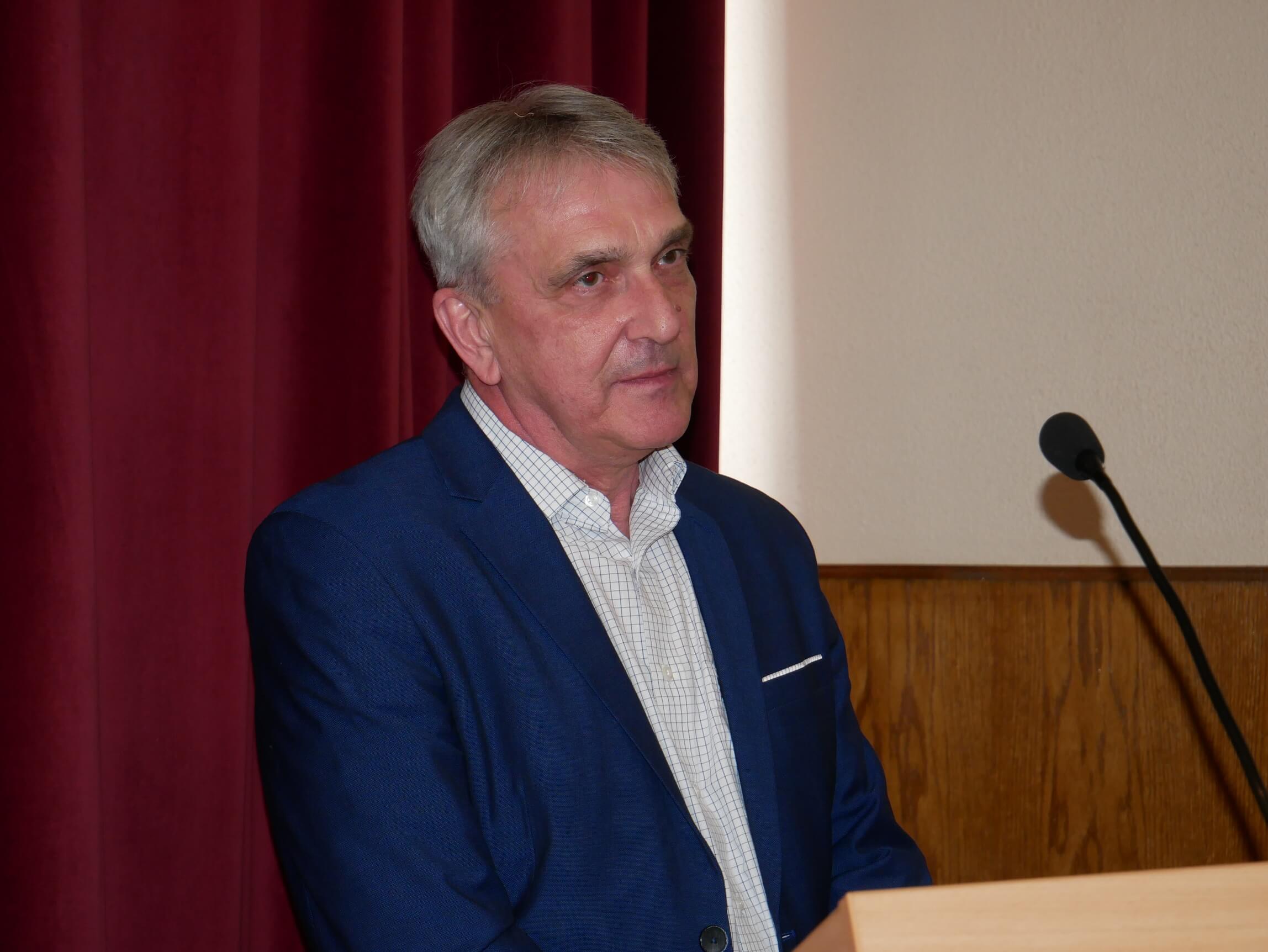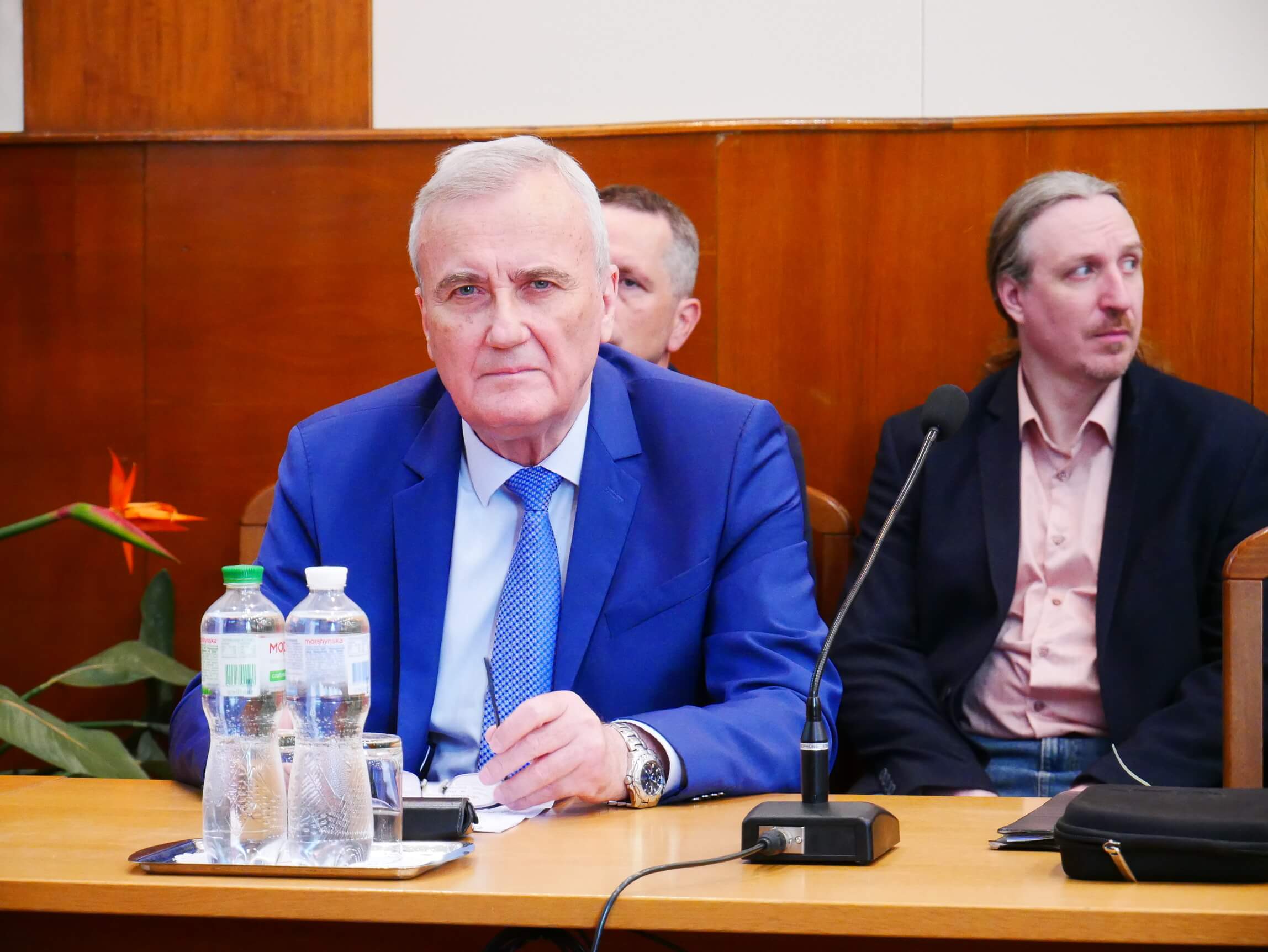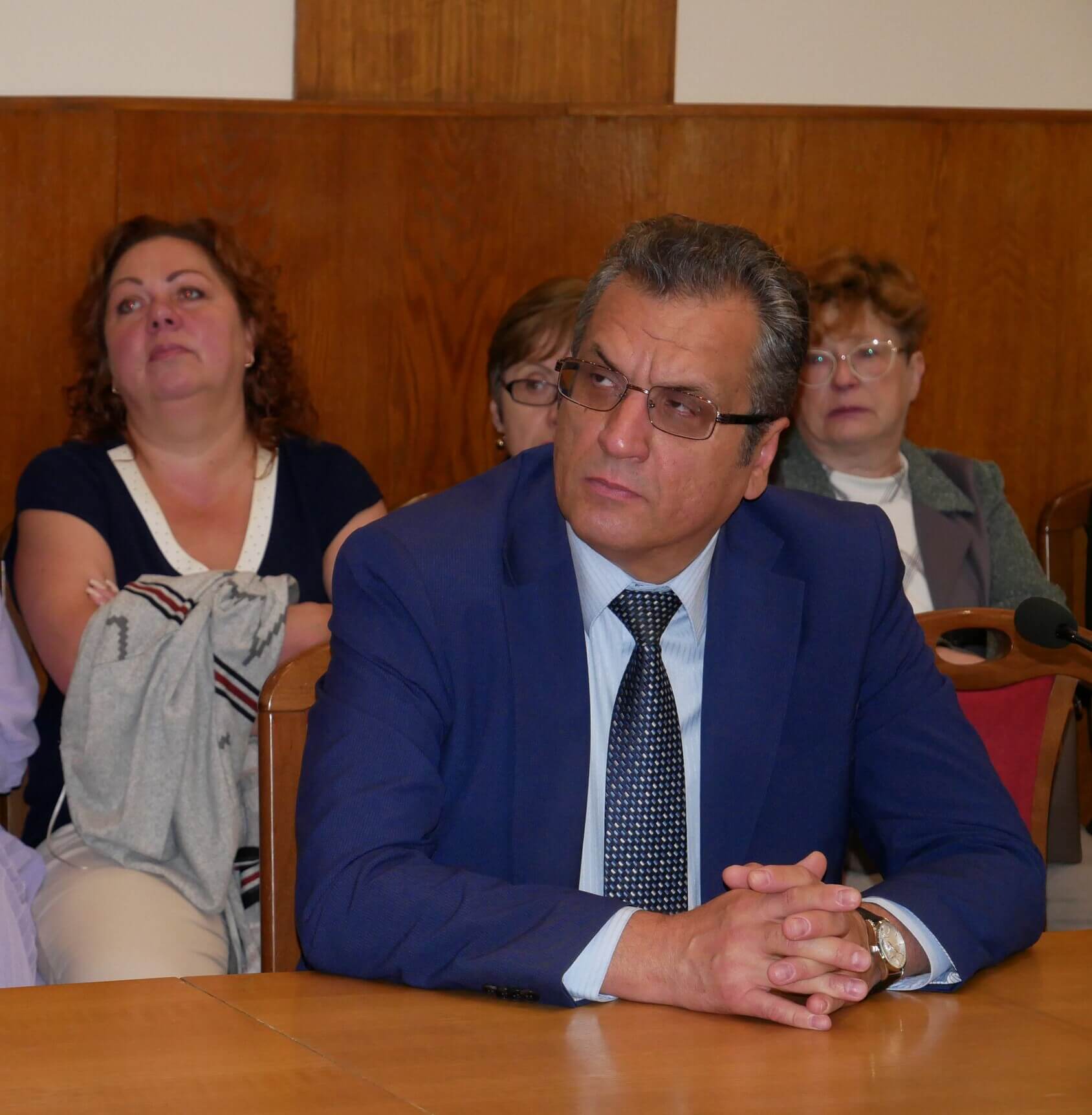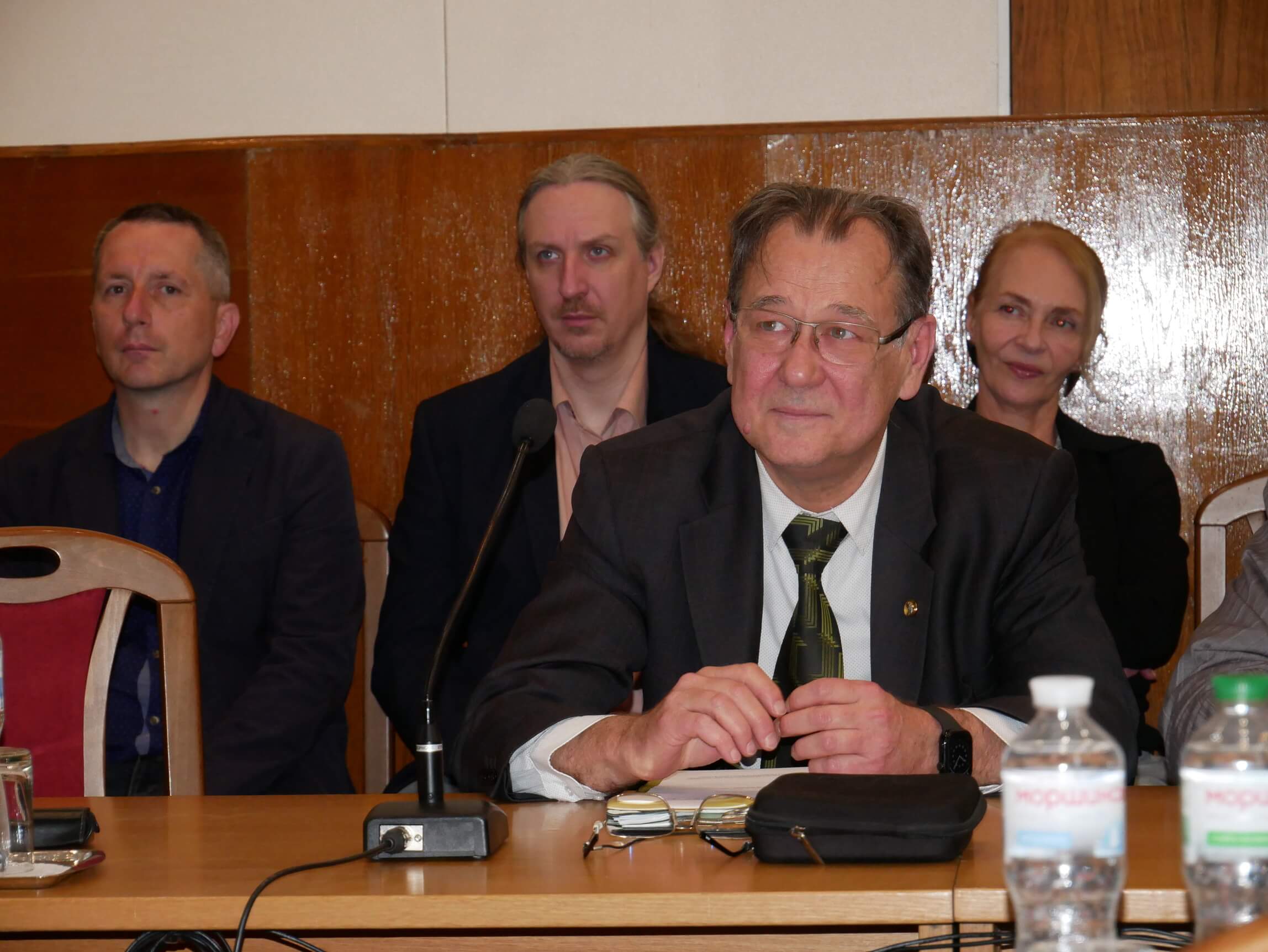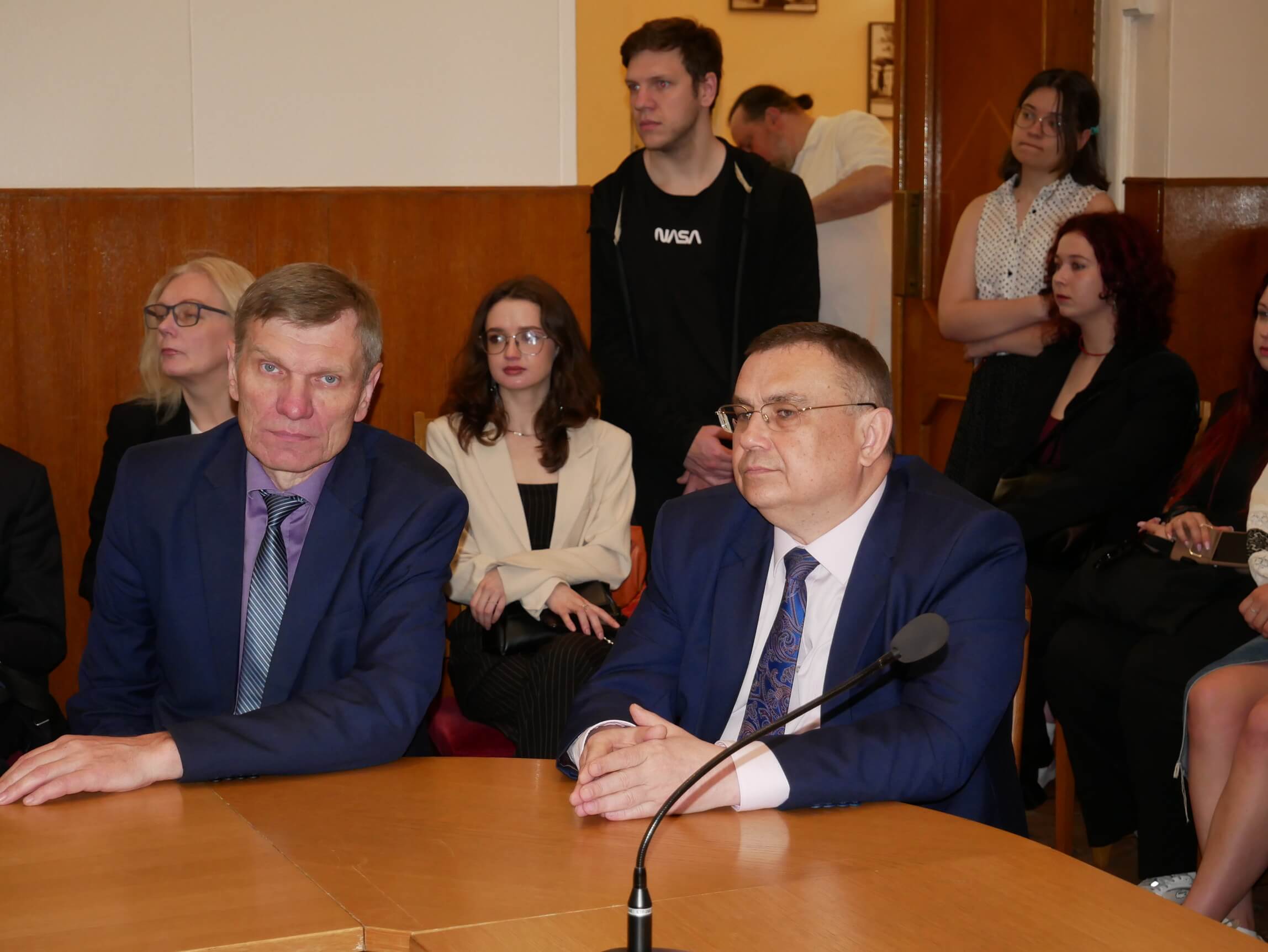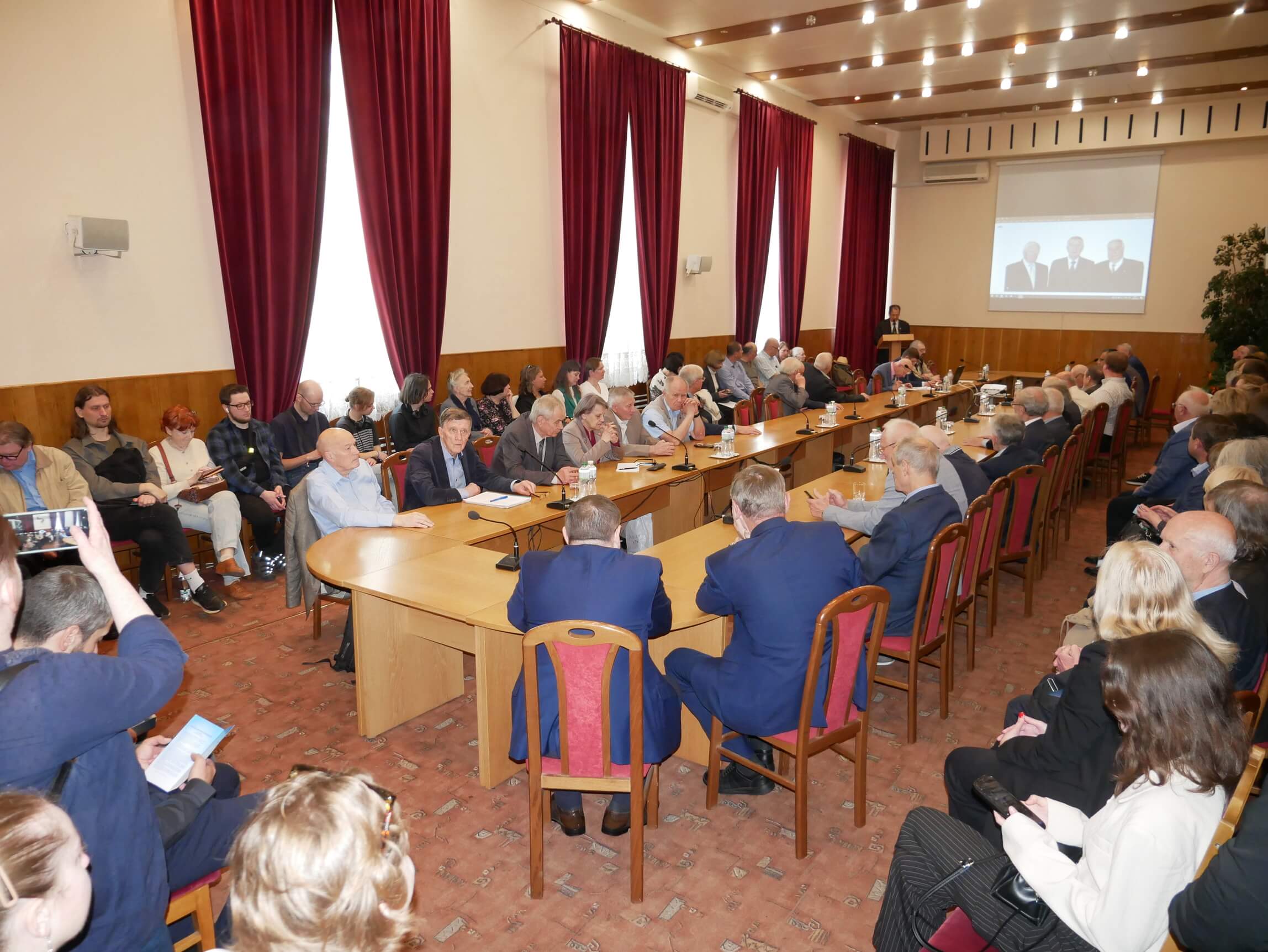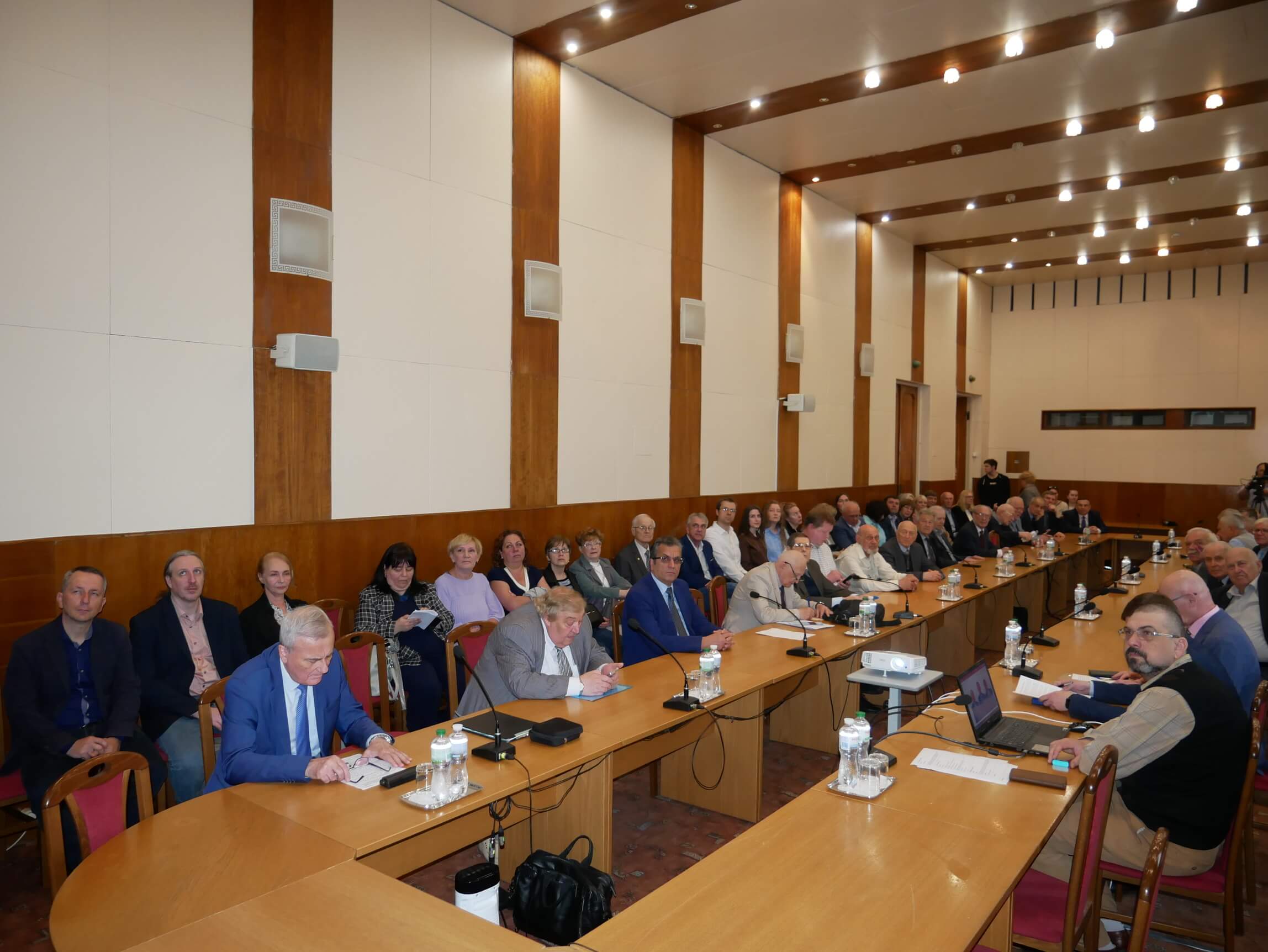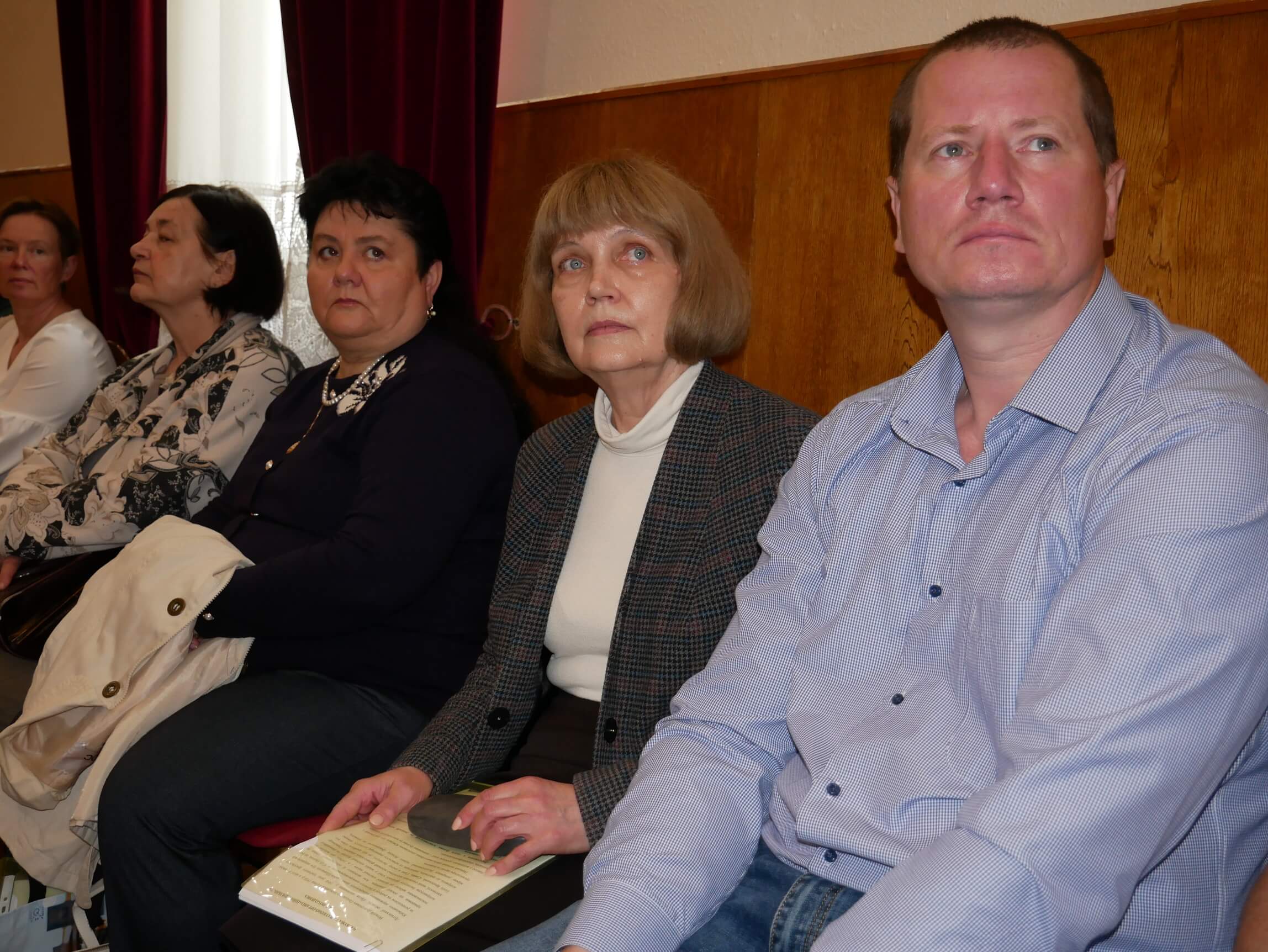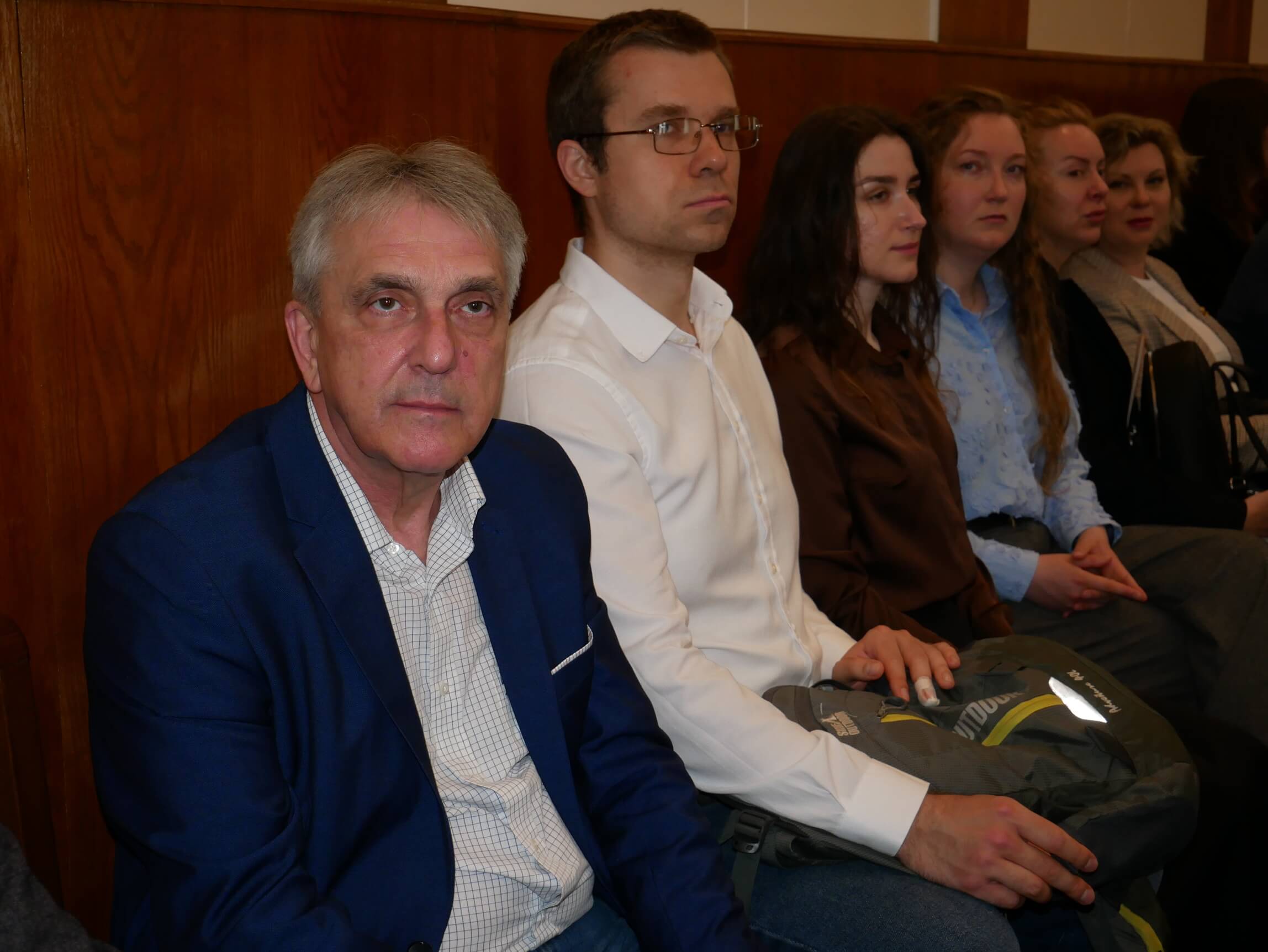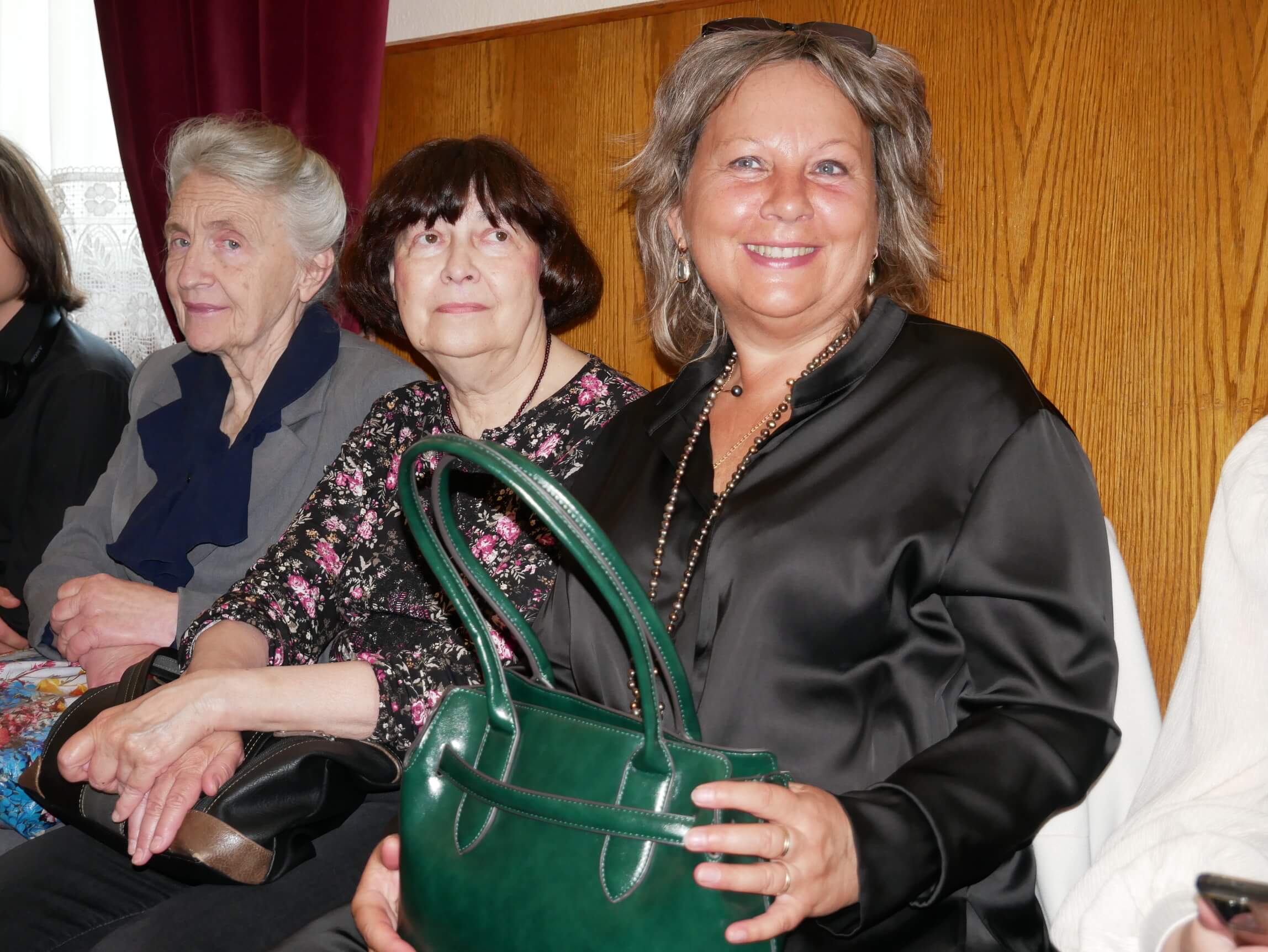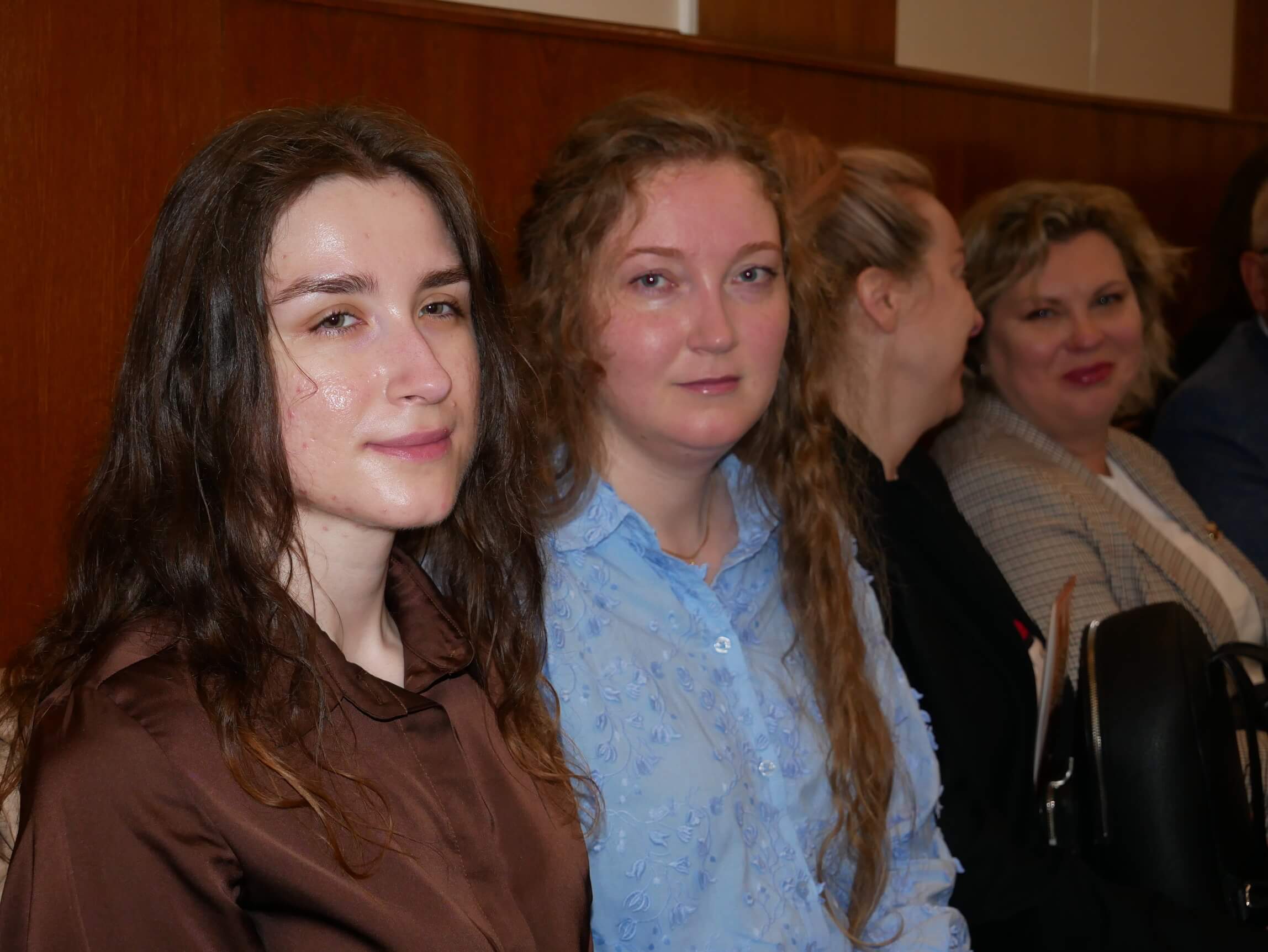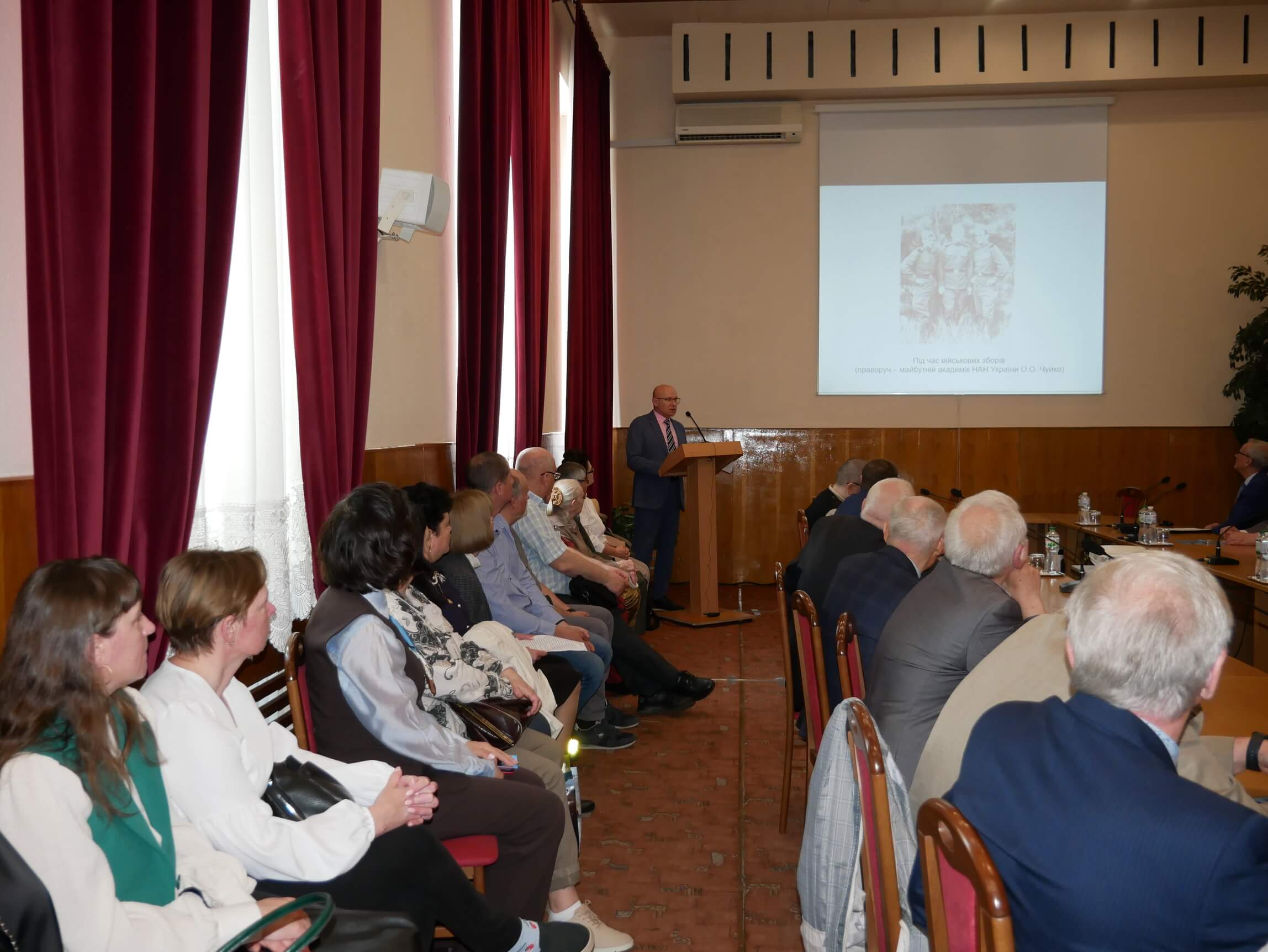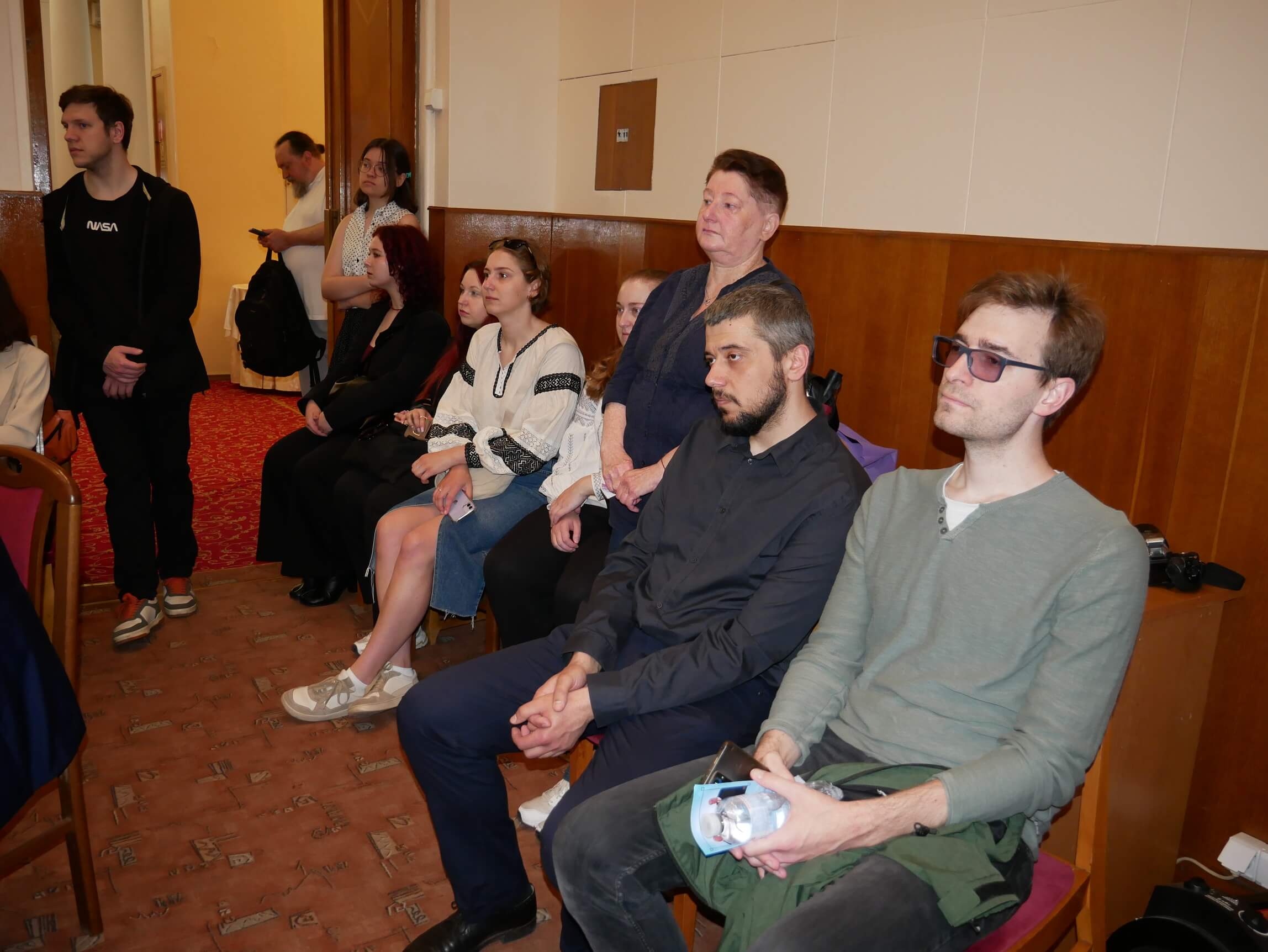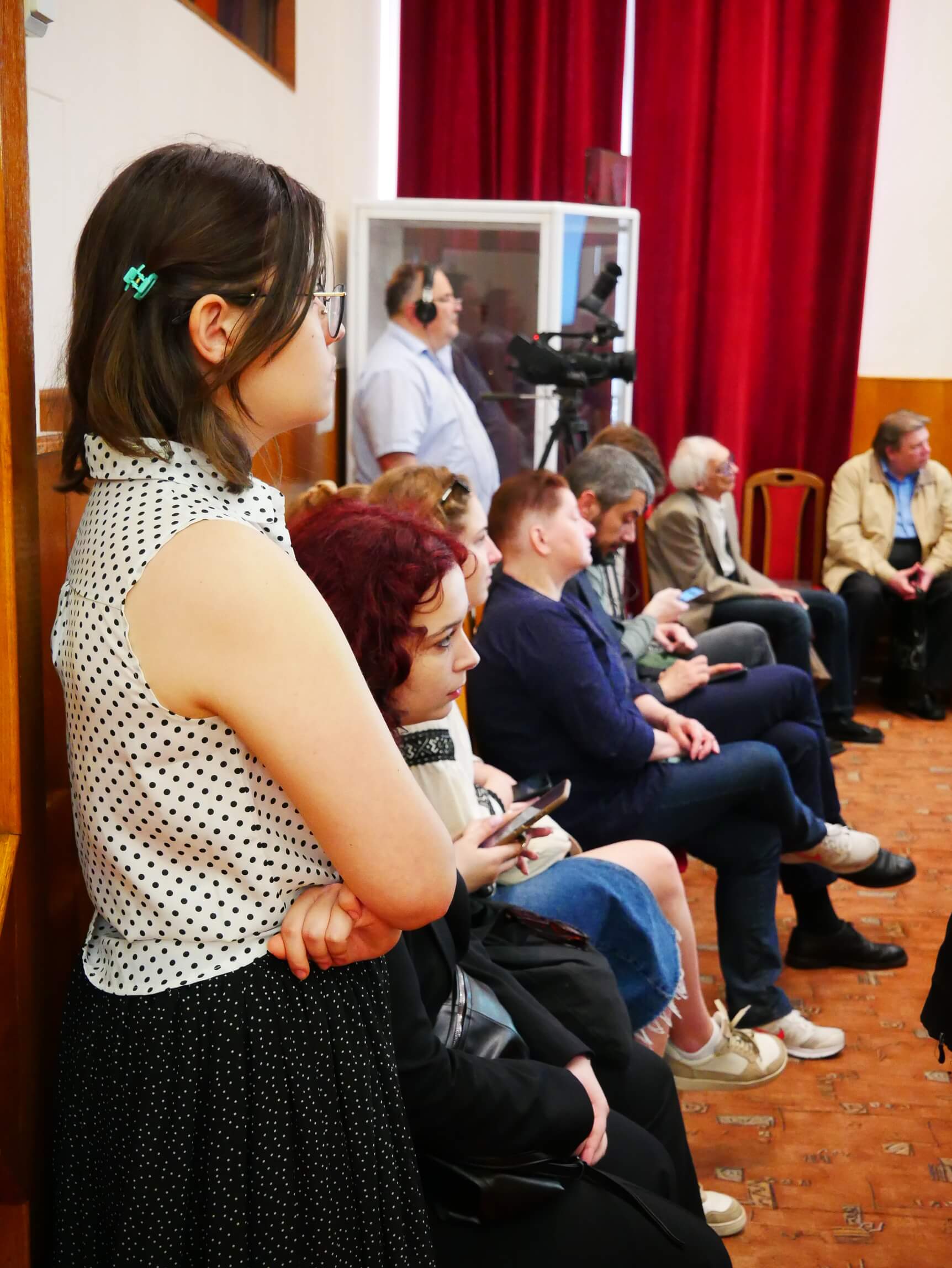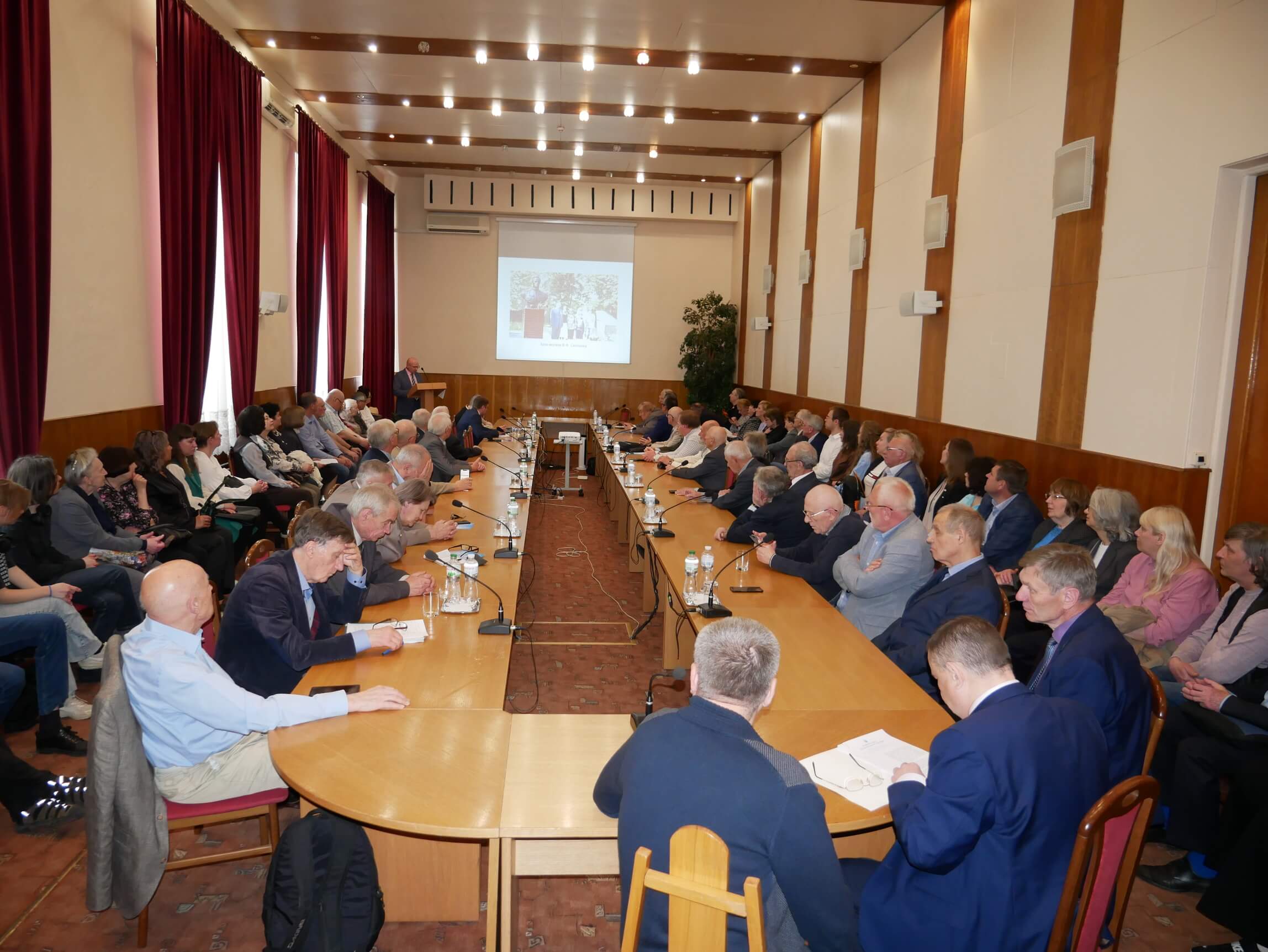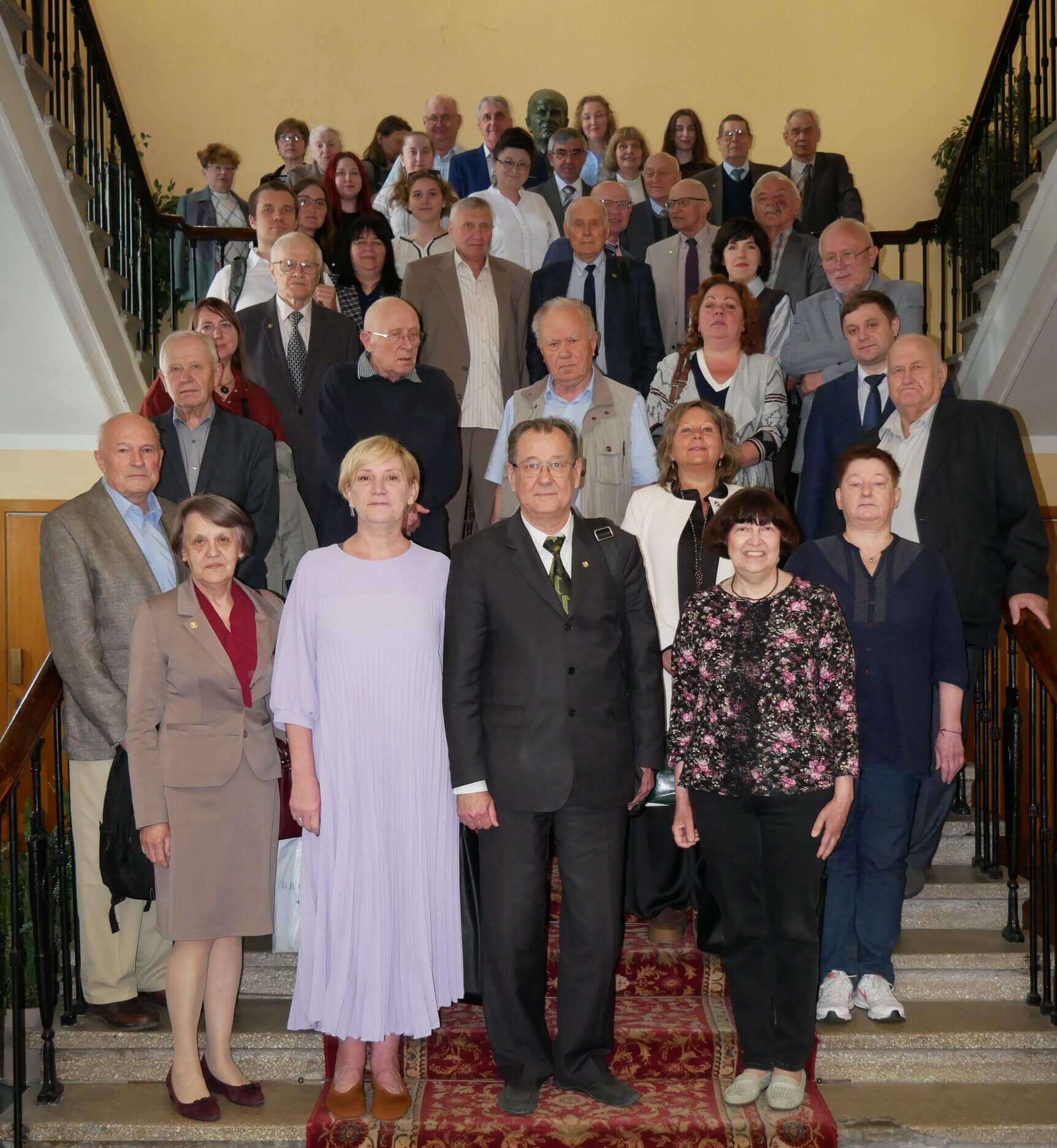
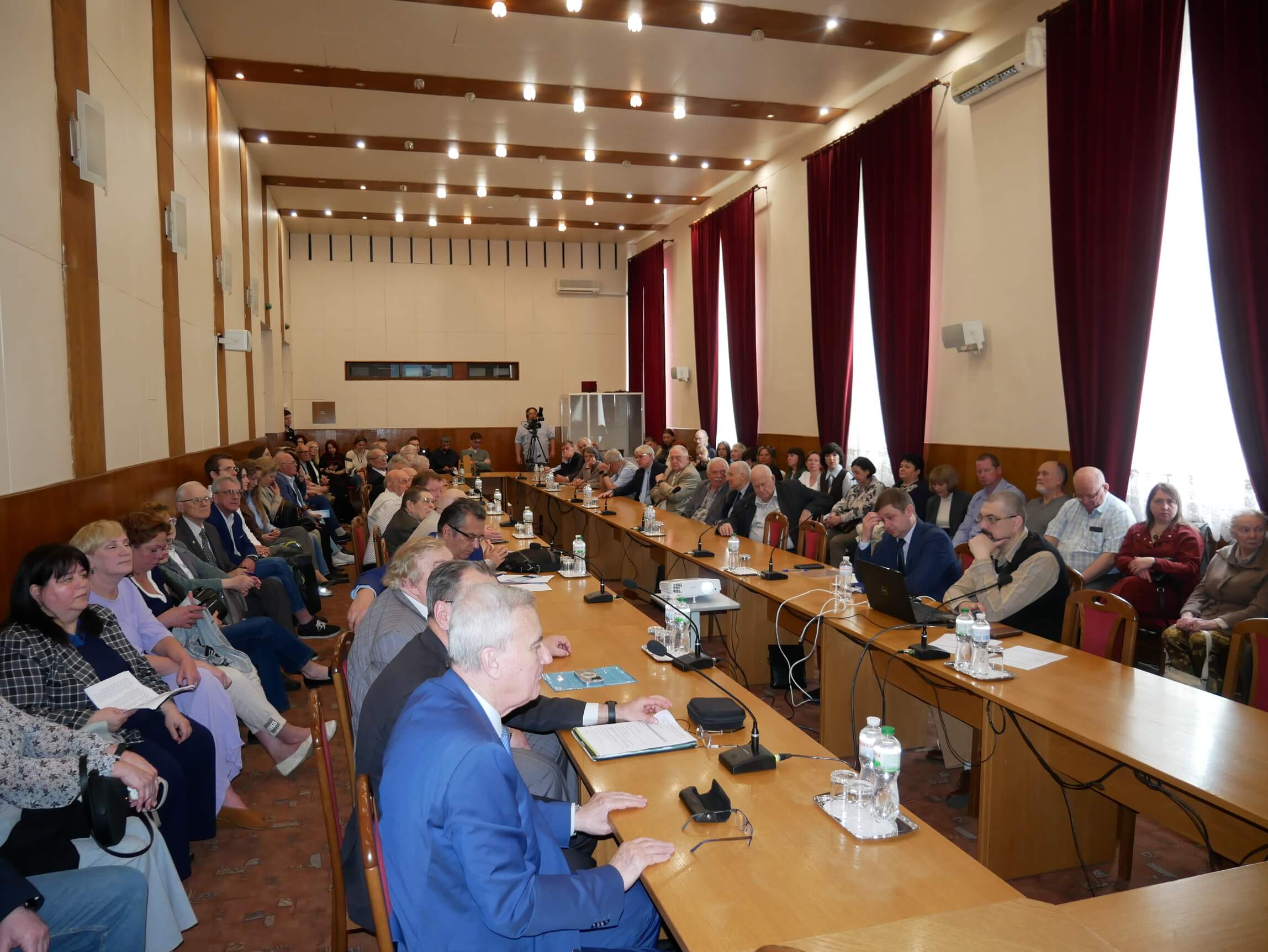
On May 19, 2026, the General Meeting of the Chemistry Department of the National Academy of Sciences of Ukraine was held in the Large Conference Hall of the NAS of Ukraine in Kyiv, dedicated to the 90th anniversary of the outstanding Ukrainian chemists – NAS of Ukraine academicians Serhiy Vasylovych Volkov (1935–2016), Viktor Vasylovych Skopenko (1935–2010), and Vitaliy Dmytrovych Pokhodenko (1936–2025). The participants honored their scientific legacy and discussed current directions in the development of chemical science. The meeting was attended by the President of the National Academy of Sciences of Ukraine, NAS of Ukraine academician Anatoliy Zahorodniy, the first vice-president of the NAS of Ukraine, head of the Section of Physical-Technical and Mathematical Sciences of the NAS of Ukraine, NAS of Ukraine academician Vyacheslav Bohdanov, vice-president of the NAS of Ukraine, head of the Section of Chemical and Biological Sciences of the NAS of Ukraine, NAS of Ukraine academician Volodymyr Radchenko, members of the Presidium of the NAS of Ukraine, members of the Academy, leadership and staff of scientific institutions of the Chemistry Department of the NAS of Ukraine, scientists and students of Taras Shevchenko National University of Kyiv.
The meeting was opened by the academician-secretary of the Chemistry Department of the NAS of Ukraine, NAS of Ukraine academician Petro Stryzhak: “Dear colleagues, I sincerely welcome you to the General Meeting of the Chemistry Department of the NAS of Ukraine. Today’s gathering has a special character – our meeting is dedicated to the 90th anniversary of the birth of three outstanding Ukrainian scientists, three outstanding Ukrainian chemists. These are academicians Serhiy Vasylovych Volkov, Viktor Vasylovych Skopenko, and Vitaliy Dmytrovych Pokhodenko. These names have forever entered the history of both Ukrainian and world chemical science. Each of them formed their own distinct, individual scientific direction, created a powerful scientific school, and trained many students. Many of them are present here today. Each of these three academicians was distinguished by great respect for science and a strong desire to engage in science. Science was everything to them.
Today we not only honor the memory of these outstanding scientists but also reflect on their scientific legacy in the context of modern challenges. But it is precisely the continuity of scientific traditions, the combination of fundamental research with practical needs that remains the key to the development of chemical science. Each of these academicians defended their doctoral dissertation at a young age and formed their unique scientific direction at the forefront of science. It is especially important to emphasize that in the program of our meeting, besides the traditional reports on the life and creative path of each of these three academicians, there are also six scientific reports in the second half of our meeting – two reports from representatives of each scientific school founded by one of the academicians we honor today.
One should not think that the life and creative path of each of them was easy. Each was born before the war. Their childhood coincided with the years of World War II and the post-war recovery. How this resonates with what we have today… And I believe that just as they went through a great scientific path and reached the heights of academic science, so too will today’s children and grandchildren follow such a glorious path. Young scientists today actively engage in the development of new research directions. They ensure the future of our science. And our task is to preserve the high standards of the scientific school laid down by our predecessors. I believe today’s meeting will be not only a tribute to the memory of academicians Serhiy Vasylovych Volkov, Viktor Vasylovych Skopenko, and Vitaliy Dmytrovych Pokhodenko but also a stimulus for the emergence of new ideas, new knowledge, and cooperation.”
The President of the National Academy of Sciences of Ukraine, NAS of Ukraine academician Anatoliy Zahorodniy, addressed the attendees with a welcoming speech: “Dear colleagues, I have the honor on behalf of the Presidium of the National Academy of Sciences of Ukraine to congratulate you on the opening of the General Meeting of the Chemistry Department of our Academy, which is dedicated, as already mentioned, to the 90th anniversary of the birth of outstanding chemists – academicians of the National Academy of Sciences of Ukraine Serhiy Vasylovych Volkov, Viktor Vasylovych Skopenko, and Vitaliy Dmytrovych Pokhodenko. Remembering these names, we realize that Ukraine today is perceived worldwide as a country with a high level of fundamental science development precisely thanks to the scientific schools created by our outstanding predecessors, which continue to develop the ideas of their founders and enrich science with world-class results. And in the field of chemistry, such founders undoubtedly include Serhiy Vasylovych Volkov, Viktor Vasylovych Skopenko, and Vitaliy Dmytrovych Pokhodenko. Behind each of them are distinct research directions that have gained worldwide fame and created the glory of our Academy.
In particular, speaking about Serhiy Vasylovych Volkov, he enriched science with his achievements in the field of physical-inorganic chemistry and the chemistry of ionic melts, becoming the founder of the scientific school of high-temperature coordination chemistry. His scientific research received high worldwide recognition, became the basis for new technologies, and found application in solving practical problems relevant to the state.
Academician Viktor Vasylovych Skopenko was a brilliant inorganic chemist. He developed new synthesis methods and studied the structural features of coordination compounds in solutions and crystalline states. His contribution to the chemistry of pseudohalides and coordination chemistry is recognized worldwide.
Thanks to the scientific research of academician Vitaliy Dmytrovych Pokhodenko, chemical science was enriched with new knowledge in molecular materials science, physical chemistry of free radicals, and nanostructured systems, which played an important role in creating new scientific and technical developments and their implementation in production. His creative activity can serve as a model of combining fundamental theory and practical use. I had the fortune and pleasure of knowing Vitaliy Dmytrovych for a long time. I want to say that he was a wonderful person in every sense of the word. A brilliant scientist, a brilliant organizer of science. He paid great attention to youth education, heading the Commission of the National Academy of Sciences of Ukraine on work with young scientists for many years. He did a lot to support young scientists. In particular, I recall that thanks to Vitaliy Dmytrovych’s initiative, the tradition of hearing reports from the best young scientists at Presidium meetings of the Academy and providing them with appropriate grants appeared. This, I repeat, is his merit and initiative.
It is also worth saying that all three academicians were not only outstanding scientists but also brilliant organizers of science. Vitaliy Dmytrovych Pokhodenko headed the Chemistry Department and was vice-president of the Academy for many years. Viktor Vasylovych Skopenko was vice-president of our Academy for many years and led the famous Taras Shevchenko National University of Kyiv for many years. Serhiy Vasylovych Volkov headed the Vernadsky Institute of General and Inorganic Chemistry for many years and did much to spread the fame of Ukrainian science worldwide.
Today's meeting, as Petro Yevhenovych already noted, is not only a tribute to the memory and respect for outstanding scientists. It is an opportunity to analyze the powerful intellectual foundation they laid. To a large extent, thanks to their efforts – and this is true – the Chemistry Department is one of the most powerful and productive in the structure of our Academy, which I congratulate you on and thank you for your work.
From the life paths of Serhiy Vasylovych, Viktor Vasylovych, and Vitaliy Dmytrovych, we see that true science, world-class scientific results have no borders and gain worldwide fame. And you are the continuators of their outstanding achievements.
I am confident that today’s General Meeting will also be an opportunity to discuss current issues in the development of chemical science and determine new priority research directions on the path of Ukraine’s integration into the global scientific space. I wish you successful work, good health, a good mood, and to all of us – Victory and just peace! Glory to Ukraine!”
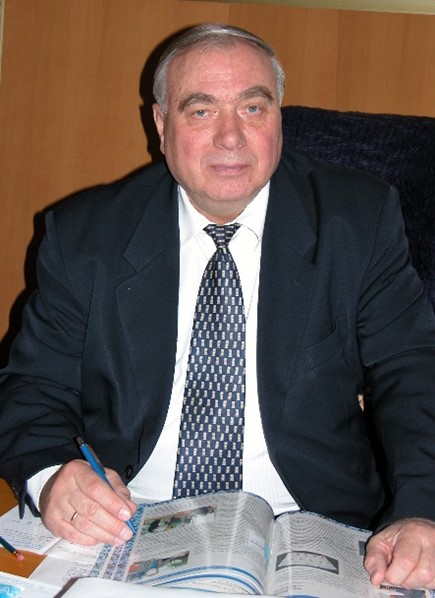
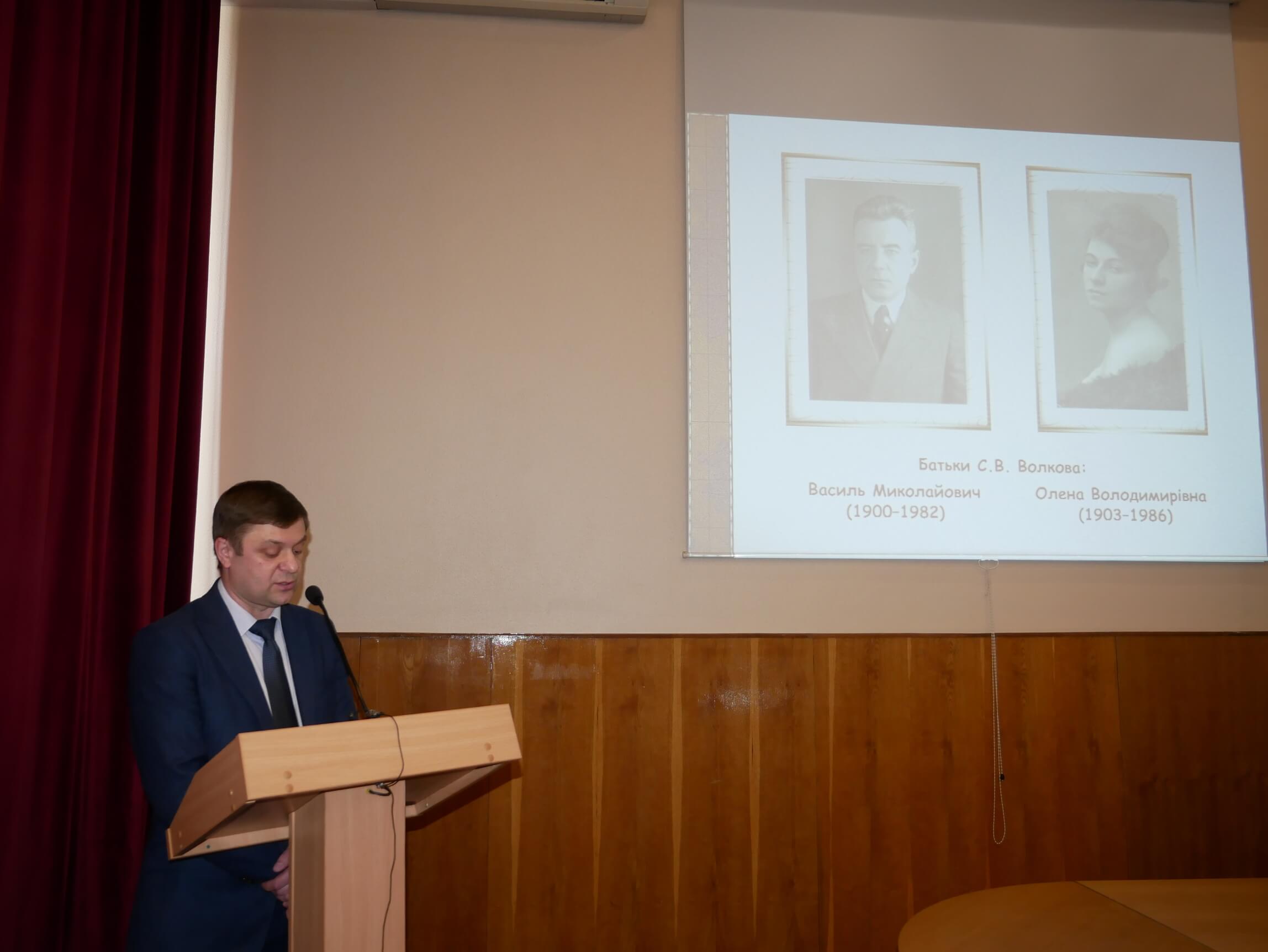
Next, a report on the life and creative path of NAS of Ukraine academician Serhiy Volkov was presented by the director of the Vernadsky Institute of General and Inorganic Chemistry of the NAS of Ukraine, Doctor of Chemical Sciences Serhiy Solopan.
Serhiy Vasylovych Volkov was an outstanding Ukrainian chemist, Doctor of Chemical Sciences, professor, NAS of Ukraine academician, whose activity became fundamental for the development of modern inorganic chemistry and the chemistry of high-temperature ionic melts.
Serhiy V. Volkov was born on November 16, 1935, in Moscow. In 1953, he graduated with a silver medal from secondary school No. 468 in Moscow and entered the D.I. Mendeleev Moscow Institute of Chemical Technology (MHTI).
After graduating from MHTI in 1959, at the request of the Presidium of the Academy of Sciences of the Ukrainian SSR, S.V. Volkov was sent to work at the Institute of General and Inorganic Chemistry (IGIC), where he progressed from engineer to director of the institute.
In 1964, under the guidance of his first mentor B.F. Markov, a student of academician V.O. Plotnikov, S.V. Volkov defended his candidate dissertation, which aroused great interest among many specialists.
From 1964 to 1969, S.V. Volkov combined research work at the institute with scientific-organizational work in the Presidium of the Academy of Sciences of the Ukrainian SSR as scientific secretary of the Chemistry and Chemical Technology Department.
From 1970 to 1974, S.V. Volkov moved to work at the L.V. Pisarzhevsky Institute of Physical Chemistry of the Academy of Sciences of the Ukrainian SSR, where his supervisor academician K.B. Yatsymirsky was transferred from IGIC as director of this institute. It was during this time that S.V. Volkov actively worked on his doctoral dissertation, which he successfully defended in 1974. At the end of 1974, S.V. Volkov was appointed deputy director for scientific work at the Institute of General and Inorganic Chemistry.
In 1978, S.V. Volkov was elected a corresponding member of the Academy of Sciences of the Ukrainian SSR in the specialty "Inorganic Chemistry." In November 1992, he became an academician of the NAS of Ukraine. In December of the same year, he became director of the institute. Thanks to S.V. Volkov, in 1993 the institute was named after its founder V.I. Vernadsky.
Serhiy Vasylovych Volkov was an honored figure of science and technology of Ukraine, laureate of the State Prize of Ukraine in Science and Technology, laureate of the L.O. Chugaev, L.V. Pisarzhevsky, and O.I. Brodsky prizes of the NAS of Ukraine, and a recipient of the Order of Prince Yaroslav the Wise, IV degree.
NAS of Ukraine academician Serhiy Volkov entered history as an innovative academician who managed to combine fundamental theory with the practical needs of industry. His works remain fundamental for researchers working with high-temperature processes and the synthesis of new substances. His legacy is not only hundreds of articles and monographs but also the institution he preserved and developed during the difficult times of transformation of Ukrainian science.
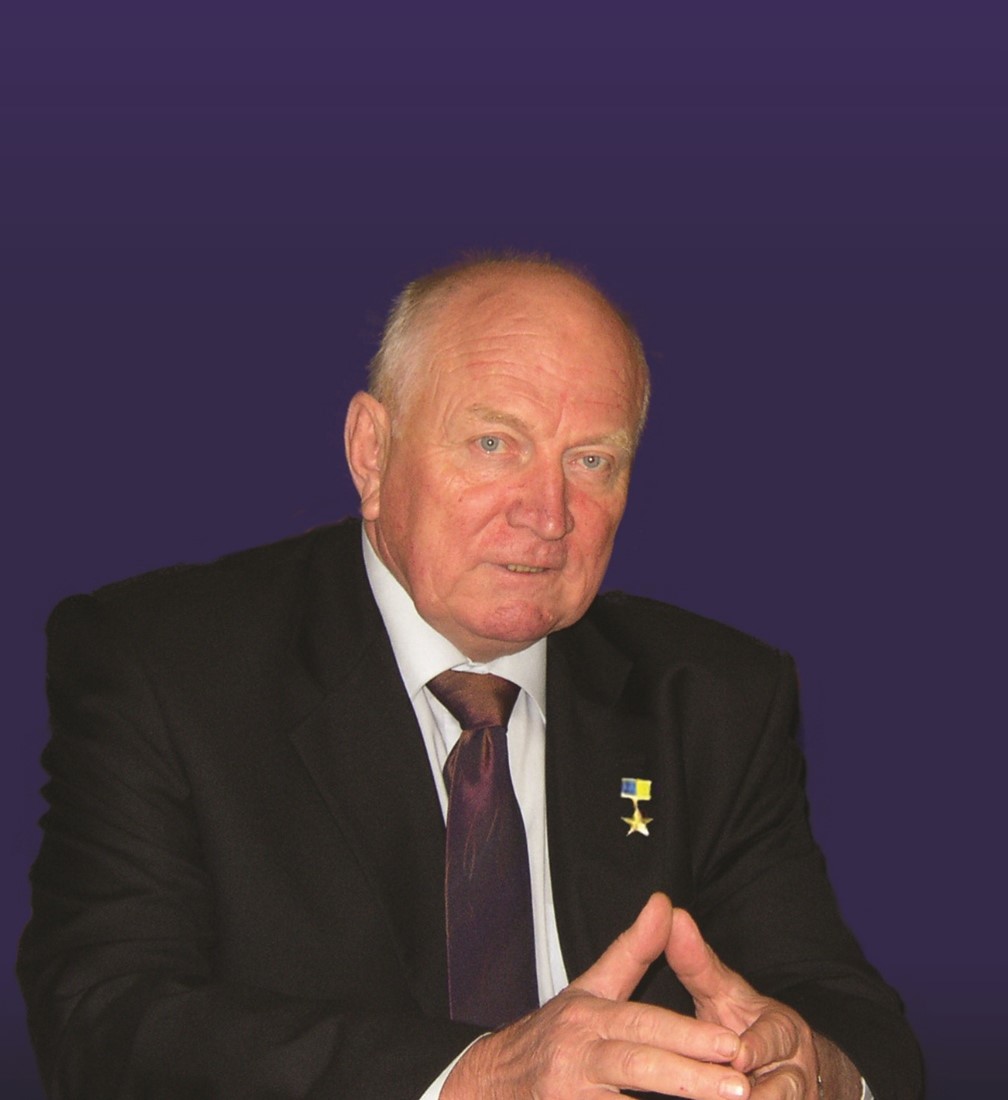
The life and creative path of NAS of Ukraine academician Viktor Skopenko was presented by the head of the Department of Physical Chemistry of the Chemistry Faculty of Taras Shevchenko National University of Kyiv, NAS of Ukraine academician Ihor Frytskyi.
In December 2025, the 90th anniversary of the birth of Doctor of Chemical Sciences, professor, academician of the NAS and NAPS of Ukraine, Hero of Ukraine, honored figure of science and technology of Ukraine, honored professor of Taras Shevchenko National University of Kyiv, honorary doctor of Chernivtsi, Donetsk, Dnipropetrovsk, Tavriya, Bratislava, Jagiellonian universities, Southwest University of Bulgaria, Mirzo Ulugbek National University of Uzbekistan, honorary professor of Chaotung National University (China), International Platon University, University of Culture (Taiwan), honorary doctor and professor of Jilin University (China), honorary citizen of Kyiv and Sandomierz (Poland), and a world-renowned specialist in the chemistry of coordination compounds, was celebrated.
Viktor Vasylovych Skopenko was born on December 18, 1935, in the town of Novhorodka in Kirovohrad region to a family of teachers. In 1953, he entered the Chemistry Faculty of Kyiv State University named after T.G. Shevchenko. In 1959, he entered postgraduate studies at Kyiv University. In 1962, he defended his candidate dissertation “Selenocyanate complexes of some metals” and began teaching at Kyiv University as an assistant.
In 1966, he was appointed deputy dean of the Chemistry Faculty.
In 1970, Viktor Vasylovych defended his doctoral dissertation “Metal selenocyanates and their properties,” and in 1972 he was awarded the academic title of professor in “Inorganic Chemistry.”
Since 1975, V.V. Skopenko was vice-rector of Kyiv State University for academic affairs, and three years later, first vice-rector.
In 1978, he was elected a corresponding member of the Academy of Sciences of the Ukrainian SSR, and in 1988, an academician of the Academy of Sciences of the Ukrainian SSR in the specialty “Inorganic Chemistry.”
From January 1985 to April 2008, Viktor Vasylovych was rector of Kyiv University and a deputy of the Verkhovna Rada of Ukraine.
He was a laureate of the L.V. Pisarzhevsky Prize (1989), State Prizes of Ukraine in Science and Technology (1990, 1995), and the V.I. Vernadsky Prize (2000). Since 1991, he was an honored figure of science and technology, and since 1992, an academician of the Academy of Pedagogical Sciences of Ukraine.
His body of work includes about 500 scientific papers, including 18 monographs and textbooks, and 63 patents. Under his supervision, 38 candidate and 13 doctoral dissertations were defended.
V.V. Skopenko’s work was recognized with the Orders of the Red Banner of Labor (1981), Friendship of Peoples (1985), the President of Ukraine’s distinction (1995), the Orders “For Merit” II degree (1998), “For Merit” I degree (2000), the title Hero of Ukraine with the Order of the State (1999), the Order of Yaroslav the Wise V degree (2005), and foreign awards.
In 2005, V.V. Skopenko’s scientific achievements were awarded the V.I. Vernadsky Gold Medal of the NAS of Ukraine.
On July 5, 2010, Viktor Vasylovych passed away.
However, he lives in the hearts of those who knew him and in the works of his numerous students.
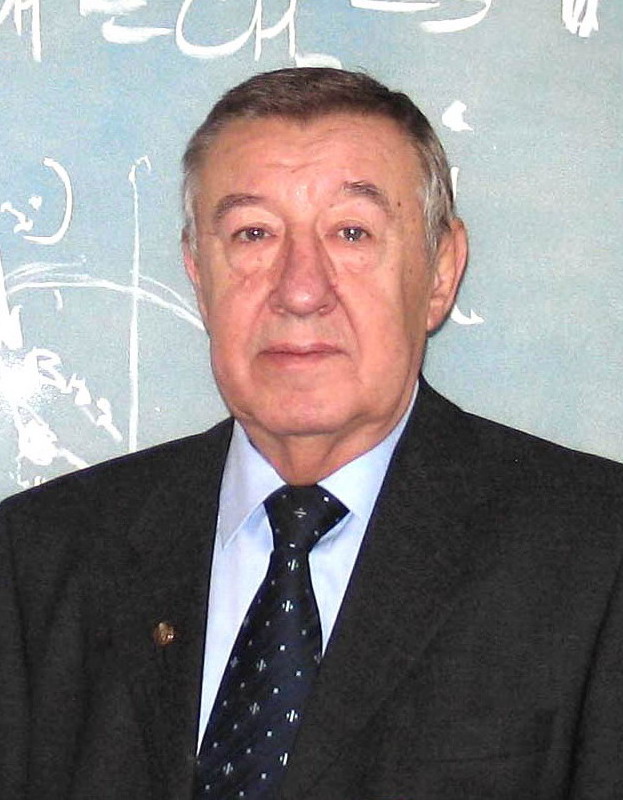
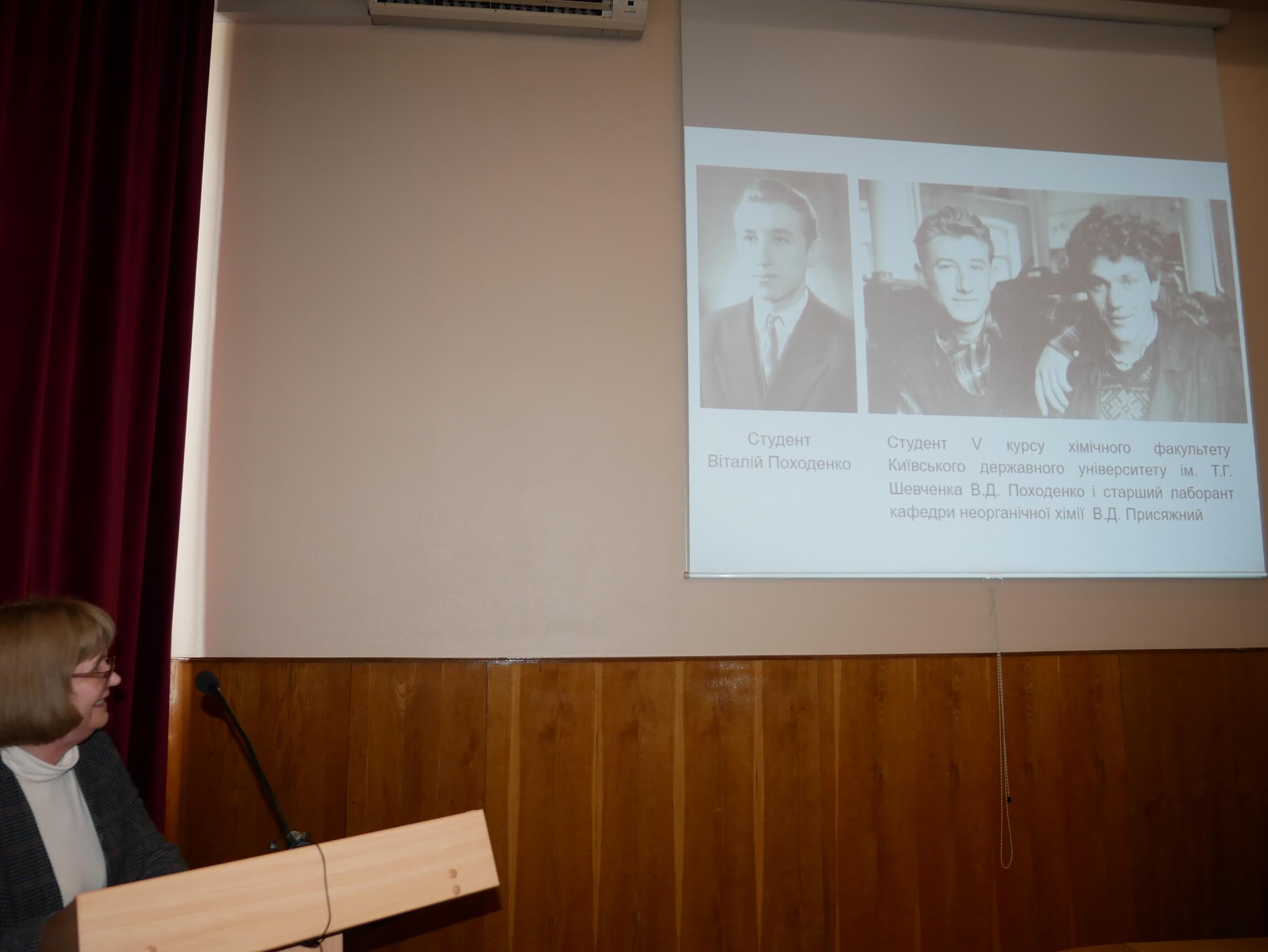
On the life and creative path of NAS of Ukraine academician Vitaliy Pokhodenko was the report by advisor to the Presidium of the NAS of Ukraine and advisor to the director of the L.V. Pisarzhevsky Institute of Physical Chemistry of the NAS of Ukraine, NAS of Ukraine academician Vyacheslav Koshechko. At the request of the speaker, it was delivered by the scientific secretary of the Institute, Candidate of Chemical Sciences Lidiya Dolhikh.
NAS of Ukraine academician Vitaliy Dmytrovych Pokhodenko was an outstanding scientist in the field of physical chemistry who made a great contribution to the development of Ukrainian and world chemical science. His life path is an example of tireless work, deep dedication to science, and constant striving for new discoveries.
V.D. Pokhodenko was born on January 9, 1936, in Alchevsk, Luhansk region. In 1958, he graduated from the Chemistry Faculty of Kyiv State University named after T.G. Shevchenko. All his scientific activity was inseparably connected with the L.V. Pisarzhevsky Institute of Physical Chemistry of the NAS of Ukraine, where he worked from 1959, progressing from postgraduate student to director of the Institute, creating a widely known and powerful scientific school.
V.D. Pokhodenko’s scientific works cover a wide range of problems in the theory of chemical structure, kinetics and reactivity of free radicals, theory of intermolecular interactions, electrochemistry, photochemistry, homogeneous catalysis, materials science, nanochemistry, and more.
He discovered and extensively studied a new class of free radical reactions – single-electron redox transformations, the emergence of electromotive forces in free radical reactions, and the possibility of catalysis of chemical, photo-, and electrochemical processes by free radicals. The results of these works largely shaped modern views on the properties of free radicals and the mechanisms of various processes involving them.
V.D. Pokhodenko made a significant contribution to the establishment in Ukraine of a new promising field of chemistry and molecular materials science – physical chemistry of electrically conductive organic polymers (ECP) and composites based on them. He developed original chemical, electrochemical, and ion-implantation methods for obtaining new ECPs and their nanocomposites; conducted extensive research on the creation of chemical power sources and supercapacitors based on them, whose priority and originality were recognized by patent offices of leading countries worldwide.
V.D. Pokhodenko and colleagues also initiated research in new relevant directions such as physical chemistry of nanostructured systems and nanocomposite materials, nanophotocatalysis, physical chemistry of 2D nanostructures – promising materials for electronics, optoelectronics, and other applications.
The fundamental results obtained by V.D. Pokhodenko and his scientific school played an important role in creating and implementing scientific and technical innovations in various industries and social spheres.
V.D. Pokhodenko’s scientific output includes over 600 scientific works, including 15 monographs, more than 85 patents and certificates from Ukraine and other countries (USA, Europe, Japan, China, and others). Among his students are more than 30 doctors and candidates of sciences.
Vitaliy Dmytrovych Pokhodenko was not only an outstanding scientist but also a talented organizer of science. For over 26 years, he headed the L.V. Pisarzhevsky Institute of Physical Chemistry of the NAS of Ukraine (1982–2008), served as academician-secretary of the Chemistry Department (1988–1998), vice-president of the NAS of Ukraine (1998–2015), member of the Presidium of the NAS of Ukraine, advisor to the Presidium of the NAS of Ukraine (2015–2025), initiated the creation of several state and academic scientific and technical programs. He actively participated in organizing and carrying out work on the elimination of the consequences of the Chernobyl nuclear accident. For over 30 years, he was the chief editor of the journal “Theoretical and Experimental Chemistry,” which gained international recognition.
V.D. Pokhodenko’s merits were recognized with high state and scientific awards, including the title of honored figure of science and technology of Ukraine, the State Prize of Ukraine in Science and Technology, the V.I. Vernadsky Gold Medal of the NAS of Ukraine, the Orders of Prince Yaroslav the Wise III–V degrees, and many other honorary distinctions.
Memories about academicians Serhiy Volkov, Viktor Skopenko, and Vitaliy Pokhodenko were shared by:
- director of the A.V. Dumansky Institute of Colloid Chemistry and Water Chemistry of the NAS of Ukraine, NAS of Ukraine academician Vladyslav Honcharuk;
- professor of the Department of Organic Chemistry of the Chemistry Faculty of Taras Shevchenko National University of Kyiv, corresponding member of the NAS of Ukraine Volodymyr Khylia;
- director of the L.V. Pisarzhevsky Institute of Physical Chemistry of the NAS of Ukraine, NAS of Ukraine academician Vitaliy Pavlishchuk.
After the memorial part, the General Meeting of the Chemistry Department of the NAS of Ukraine continued with scientific reports from representatives of the scientific schools founded by NAS of Ukraine academicians Serhiy Volkov, Viktor Skopenko, and Vitaliy Pokhodenko.
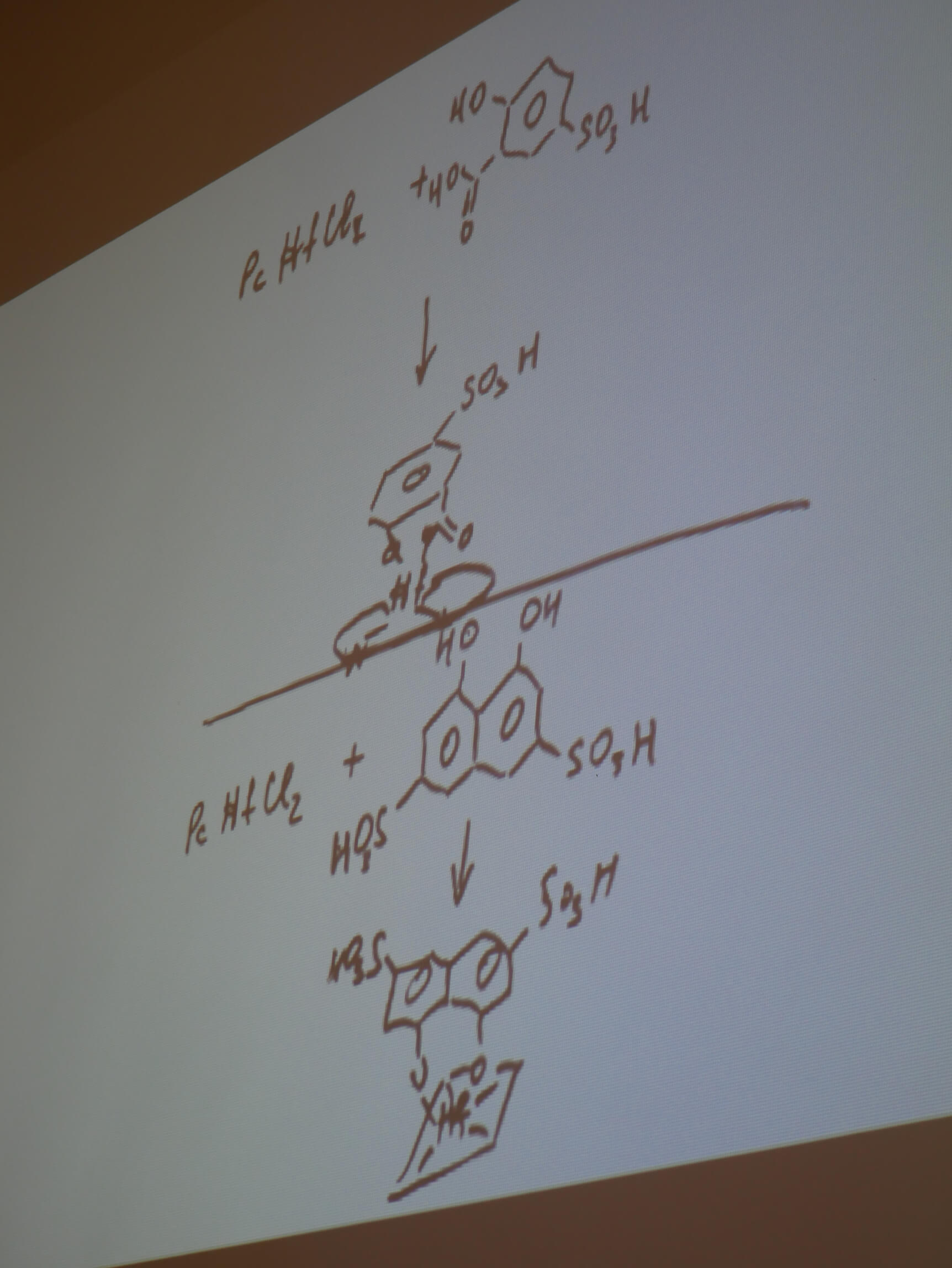
The report “Synthesis, structure, properties, and applications of phthalocyanine complexes of titanium, zirconium, and hafnium” was presented by senior research fellow of the Vernadsky Institute of General and Inorganic Chemistry of the NAS of Ukraine, Doctor of Chemical Sciences Viktor Cherniy.
As explained by the scientist, phthalocyanines are macrocyclic coordination compounds whose wide range of “useful properties” determines their application in catalysis, organic semiconductor elements, nonlinear optics, diagnostics, photodynamic tumor therapy – as sensors and photoelectroconverters, and more. Phthalocyanine complexes can be obtained by introducing substituents on the periphery of the macrocycle or by coordinating ligands with the central metal atom. If modifications on the macrocycle periphery are largely the domain of organic chemistry, reactions involving the central metal atom are the subject of coordination chemistry research. The advantage of the latter approach is the possibility of relatively easy modification of phthalocyanine complexes with functional substituents. This approach provides a unique opportunity to change the physicochemical properties of complexes by introducing groups of different chemical nature while preserving the properties of the phthalocyanine macrocyclic ligand.
Among metal ions capable of forming out-of-plane coordinated phthalocyanine complexes, titanium, zirconium, and hafnium are of particular interest, whose complexes are highly stable, diamagnetic, and redox-inactive. The high coordination numbers of these metal ions allow synthesizing complex molecular structures with a wide range of functional ligands.
Besides the need to develop approaches to creating new phthalocyanine systems and determining their structure, it is important to comprehensively study their properties and application prospects in various fields. Research on the behavior of phthalocyanines in heterogeneous-heterophase systems is also relevant for further creating macrocyclic complexes with specified properties.
Developing approaches to synthesizing phthalocyanine complexes based on utilizing the potential of the central metal ion is a current problem in coordination chemistry. Its solution has made it possible to obtain a new class of coordination compounds – out-of-plane coordinated phthalocyaninates of titanium, zirconium, and hafnium, extensively study their physicochemical properties, and draw conclusions about the prospects of using such complexes in various fields.
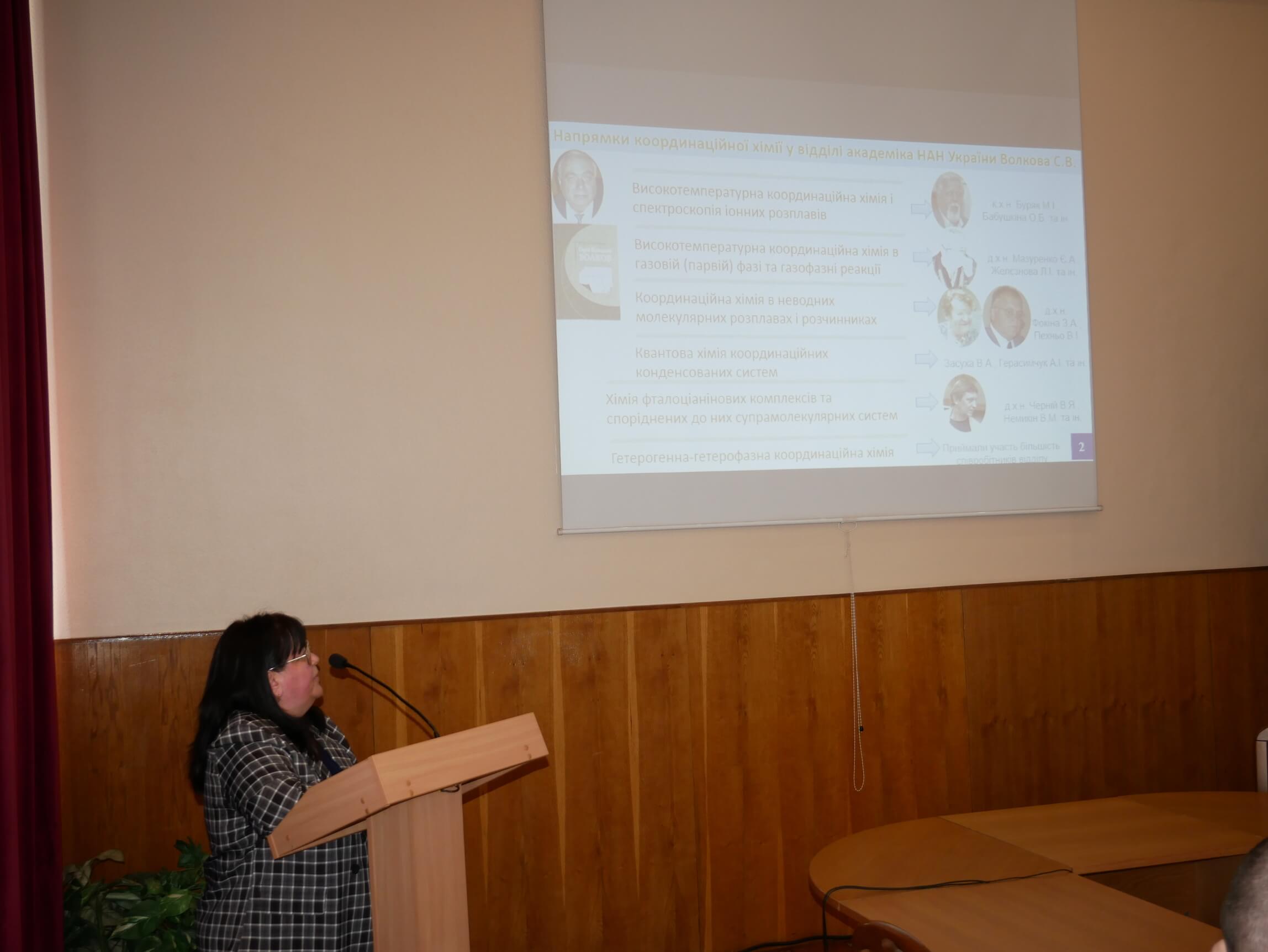
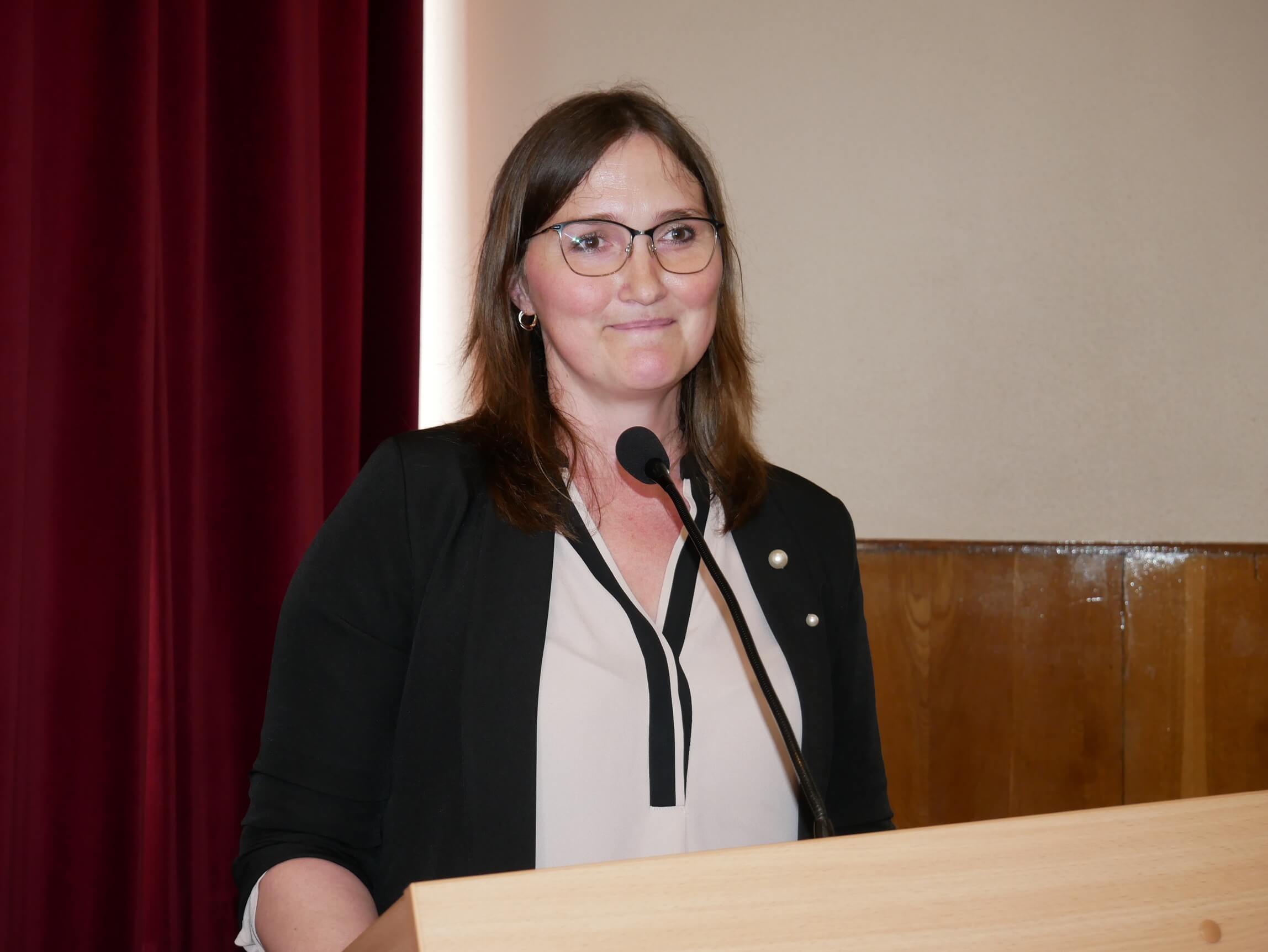
The report “Coordination chemistry of transition metals: from competitive coordination of functionally substituted ligands and chalcogenhalide systems to biologically active compounds and sensitive components of chemosensors” was presented by senior research fellow of the Vernadsky Institute of General and Inorganic Chemistry of the NAS of Ukraine, Doctor of Chemical Sciences Svitlana Orysik.
In her report, the scientist highlighted the main directions of coordination chemistry developed at the Vernadsky Institute of General and Inorganic Chemistry of the NAS of Ukraine under the leadership of NAS of Ukraine academician Serhiy Volkov. These directions primarily include:
- high-temperature coordination chemistry and spectroscopy of ionic melts;
- high-temperature coordination chemistry in the gas (vapor) phase and gas-phase reactions;
- coordination chemistry in non-aqueous molecular melts and solvents;
- quantum chemistry of coordination condensed systems;
- chemistry of phthalocyanine complexes and related supramolecular systems;
- heterogeneous-heterophase coordination chemistry.
The speaker emphasized the methods of rare-phase synthesis of chalcogenhalide compounds of platinum and rare metals, initiated by academician S.V. Volkov, and the development of coordination compounds of d-metals based on O,N,S-containing organic ligands for hydrometallurgy and medicinal chemistry.
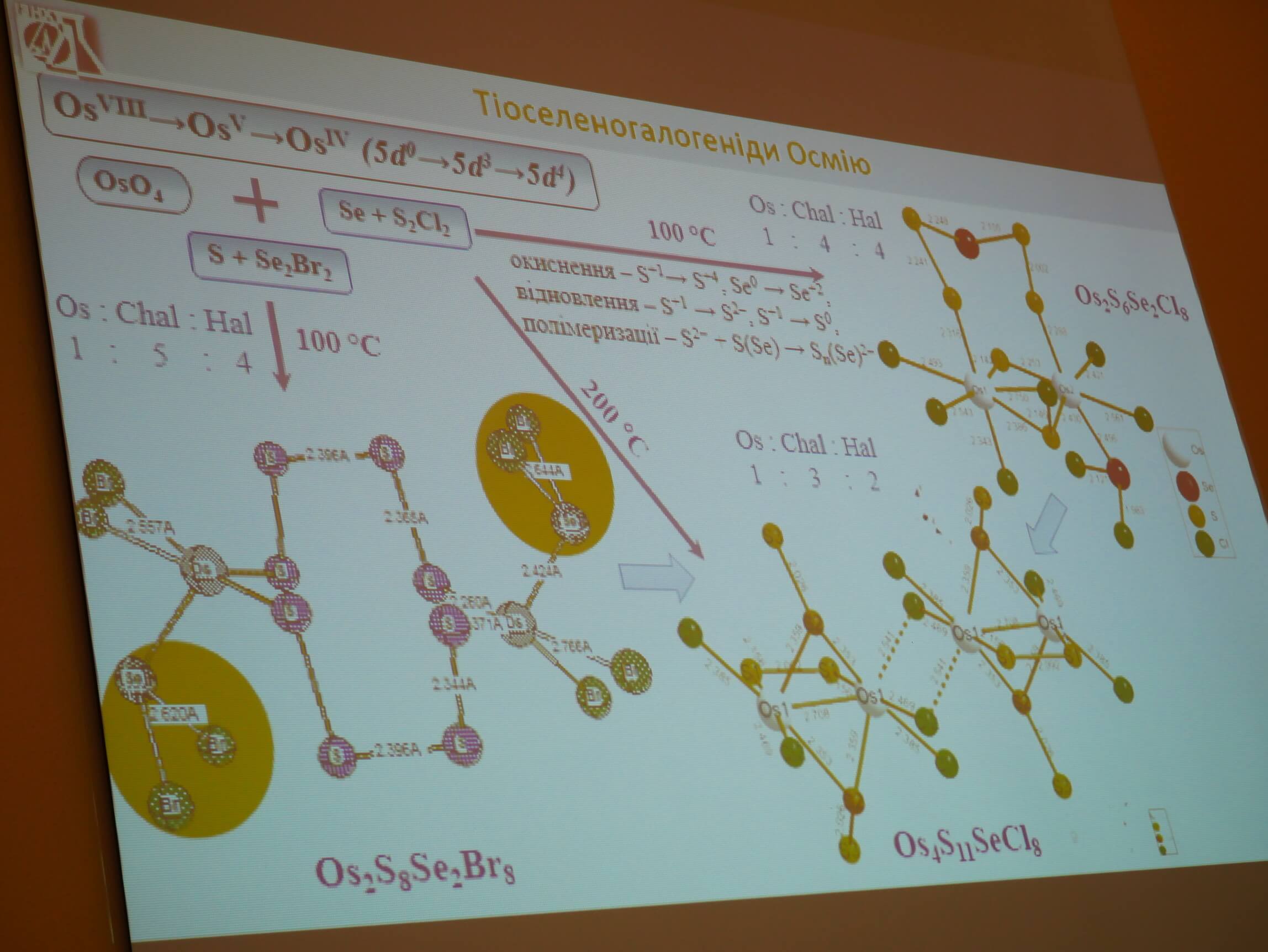
One of the key achievements of the physical-inorganic chemistry department headed by the academician was the development of a rare-phase method for synthesizing chalcogenhalide complexes of rhenium, osmium, ruthenium, and rhodium in non-aqueous media of monohalogenides of chalcogens at temperatures of 100–200 °C. This method is an effective alternative to high-temperature solid-phase synthesis (450–1000 °C), providing high purity of products with controlled composition and enabling crystal growth, which is unattainable under traditional high-temperature conditions.
The department obtained a whole family of tri- and tetranuclear cluster complexes of Re, Os, Ru, and Rh. Cluster compounds of rhenium were synthesized for the first time, including Re4Se4S4Br16 with a cubane core [Re4(μ3-S)4], which fundamentally expand the understanding of cluster formation patterns and open pathways to semiconductor materials (bandgap 1.47 eV). It was shown for the first time that the hydrolysis product (ReS2 in situ) of the trinuclear cluster Re3Se3S4Br13 is an effective catalyst for heterogeneous hydrogenation of aromatic nitro compounds (yield up to 93%). The method has several advantages: the reaction occurs at temperatures ≤100 °C; the catalyst is resistant to sulfur- and selenium-containing poisons (a typical problem of traditional catalysts is eliminated by the nature of the compound itself); the hydrogenation products (aminobenzoic acids) are raw materials for pharmaceuticals (anesthetics like novocaine, folic acid) and dyes.
Chalcogenhalides of ruthenium, rhodium, and osmium synthesized in disulfur dihalide media (RuSCl4, Ru2SBr5, Rh3S4Br5) have lower chalcogen-to-metal ratios Chal:M ≤ 2 compared to those synthesized in diselenium dihalide media (Ru2Se9Cl6, Ru2Se6Br12, Rh2Se9Br6, Rh2Se9Cl6, Os2Se8Br12), where Chal:M ≥ 3. This results in higher stability of rhodium and ruthenium selenohalides compared to thiogalogens.
For osmium and rhodium cluster compounds (including bisrhodiohexahalogenoselen-trisgomo-cubane), unusual structural motifs with a newly identified nine-membered crown ring Se9 were established, formed due to the hydrolytic disproportionation reaction 4Se+ → Se4+ + 3Se0. The interaction of platinum metal chalcogenhalides with ambidentate ligands – 4-cyanopyridine and cyanates – was studied, showing the decisive role of π-acceptor properties and Pearson’s soft-soft interaction in the choice of coordination mode.
Within heterogeneous-heterophase coordination chemistry, extraction-photometric methods for the extraction and separation of platinum group metals (Ru, Rh, Pd, Ir) from industrial solutions using salicylidene hydrazones and thiosemicarbazones as selective analytical reagents were developed. Based on polydentate hydrazides, a highly sensitive chemosensor for monitoring Pd2+ (detection limit 10⁻⁶–10⁻⁷ M) and sufficiently selective (no signal overlap with Fe3+, Co2+, Ni2+, Cu2+, Pb2+, Pt2+, Rh3+) with molar absorption coefficients of 1.18×10⁵ - 5.7×10⁵ L/(mol·cm) was created. Visual indication (blue-violet coloration) enables rapid analysis without complex equipment.
As potential highly effective antitumor agents, a series of n,π-chelate complexes of Pd2+ and Pt2+ with alkyl-, aryl-, and heteroaryl-substituted thioureas and variable halide anions (Cl⁻, Br⁻, I⁻) were obtained. It was found that the complexes surpass cisplatin by 2–8 times in cytotoxicity (IC50 = 0.015–0.390 μM), overcome cancer cell resistance, induce apoptosis via caspase-3/7 activation, interact with DNA, and do not cause drug resistance due to suppression of gamma-glutamyltranspeptidase. Three leading complexes were recommended for preclinical studies as promising new-generation antitumor agents.
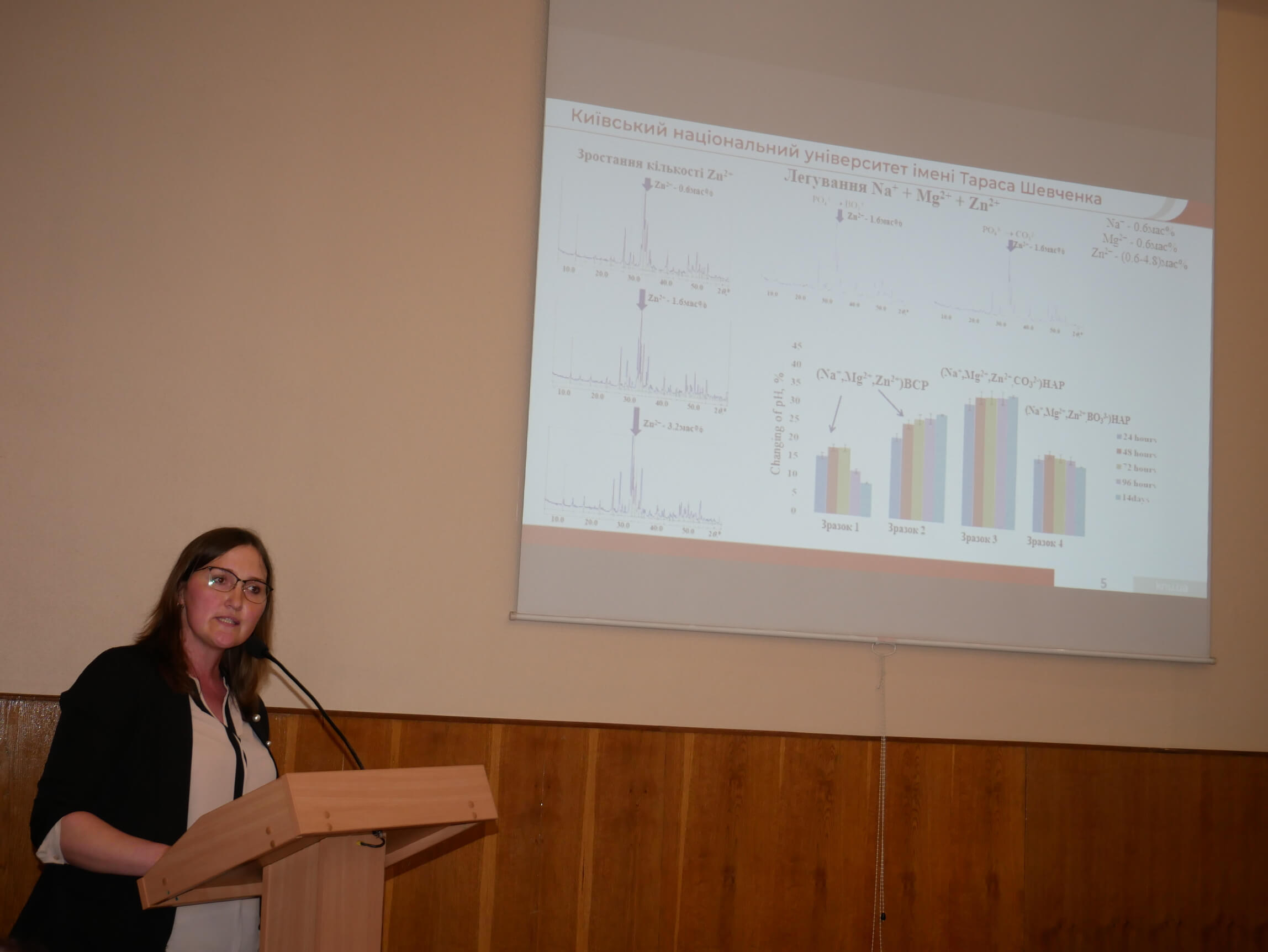
Assistant of the Department of Inorganic Chemistry of the Chemistry Faculty of Taras Shevchenko National University of Kyiv, Candidate of Chemical Sciences, senior researcher Nataliya Strutynska reported on “Structural modification as a strategy in the development of materials for various purposes” (co-authors of the report – associate professor of the same department, Doctor of Chemical Sciences Kateryna Terebilenko and leading researcher of the department, corresponding member of the NAS of Ukraine Mykola Slobodyanyk).
According to the speaker, one of the directions of the multifaceted scientific research of Viktor Vasylovych Skopenko was complex oxide compounds and materials based on them. This field was intensively and fruitfully developed by his student Mykola Semenovych Slobodyanyk, which later became a whole scientific school under his leadership. Currently, it is represented by several powerful development directions – from complex oxide perovskite compounds and glass-ceramics to medical materials based on phosphate phases and bioglasses. Structural modification is one of the main strategies for searching for modern materials for various purposes.
Modification of the structure of apatite-type calcium phosphate by cations of sodium, magnesium, zinc, copper, titanium, cobalt, and anionic sublattices – carbonate, borate, or sulfate anions – provides the development of materials for modern orthopedics, effective sorbents for removing heavy metal ions, photocatalysts for the destruction of organic pollutants in wastewater, and fertilizer carriers of microelements. Doping hydroxyapatite with a complex of microelements (sodium, magnesium, zinc) allows not only to approximate the composition of the synthetic material to natural bone but also, with simultaneous modification of the anionic sublattice by carbonate or borate anions, to regulate its functional properties. This ensures its role as a carrier of a complex of microelements and other additives important in bone tissue regeneration processes. In addition, quantitative doping parameters allow obtaining biphasic calcium phosphates containing the necessary complex of microelements and a controlled phase content. This subsequently determines the rate of material resorption processes and controlled bone engineering. The design of composites based on modified calcium phosphates with ZrO2, TiO2, SiO2, or MIIFe2O4 allows not only expanding the functionalization of medical materials with special mechanical and magnetic characteristics but also directing their use toward developing effective sorbents and photocatalysts.
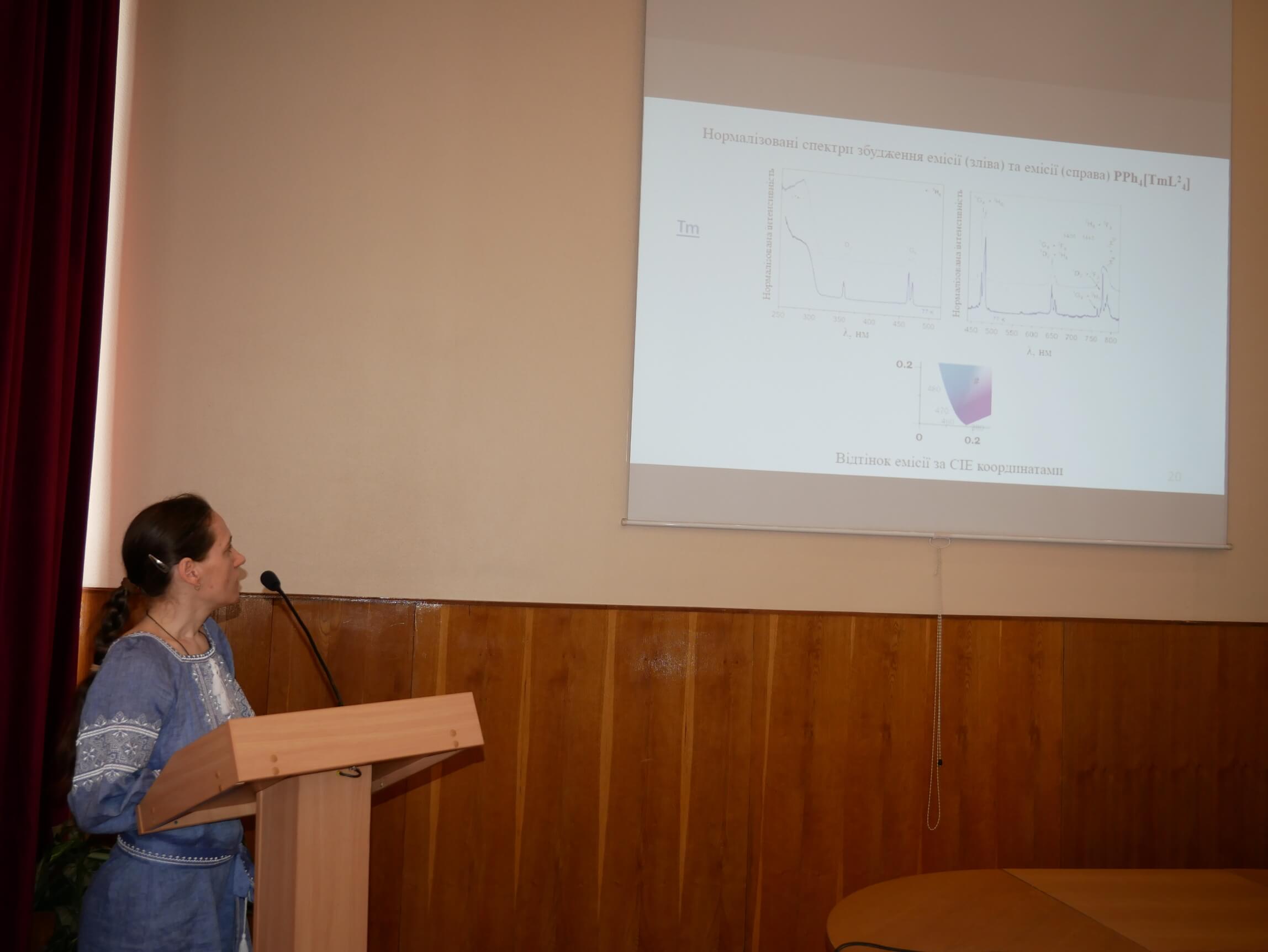
Doctoral student of the Department of Inorganic Chemistry of the Chemistry Faculty of Taras Shevchenko National University of Kyiv, Candidate of Chemical Sciences Nataliya Karyaka dedicated her report to “Lanthanide complexes with carbamoylphosphates as the basis of novel multifunctional compounds and materials”.
She explained that bidentate-chelating ligand systems created based on phosphorus-containing organic compounds allow obtaining thermodynamically stable complexes with the vast majority of metal ions, which have properties attractive for practical applications. The coordination chemistry of carbamoylphosphates – bright representatives of this type of ligands – was initiated at the Department of Inorganic Chemistry of the Chemistry Faculty of Taras Shevchenko National University of Kyiv by the research group of Doctor of Chemical Sciences, Professor Volodymyr Mykhailovych Amirkhanov, belonging to the scientific school of NAS of Ukraine academician Viktor Vasylovych Skopenko.
Various coordination modes of CAF ligands, as well as the possibility of varying the nature of substituents near the functional fragment -C(O)N(H)P(O)= (see figure below), allow obtaining mono-, bi-, and polynuclear complexes with certain useful properties that can meet the requirements of modern technologies.
Structural formula of carbamoylphosphates (CAF)
Among the most valuable properties of lanthanide ions is monochromatic luminescence in various spectral ranges. Among the CAF-containing lanthanide complexes obtained to date, compounds demonstrating intense and long-lasting f-f photoluminescence, effectively sensitized by CAF ligands, as well as bright triboluminescence, have been identified. For some compounds, quantum yields and excited-state lifetimes are at the level of the best known analogs.
Moreover, on the example of CAF-containing dysprosium complexes, the possibility of their behavior as single-molecule magnets was demonstrated, indicating the prospects of this type of compounds for use in spintronics and the creation of optomagnetic devices.
Fundamental research on lanthanide complexes based on CAF ligands is currently characterized by targeted ligand design and multifunctional coordination compounds and aimed at searching for prospects for practical application.
The report “Design and properties of electrically conductive polymers and their composites as multifunctional materials for various purposes” was presented by senior research fellow of the L.V. Pisarzhevsky Institute of Physical Chemistry of the NAS of Ukraine, Candidate of Chemical Sciences Yaroslav Kurys.
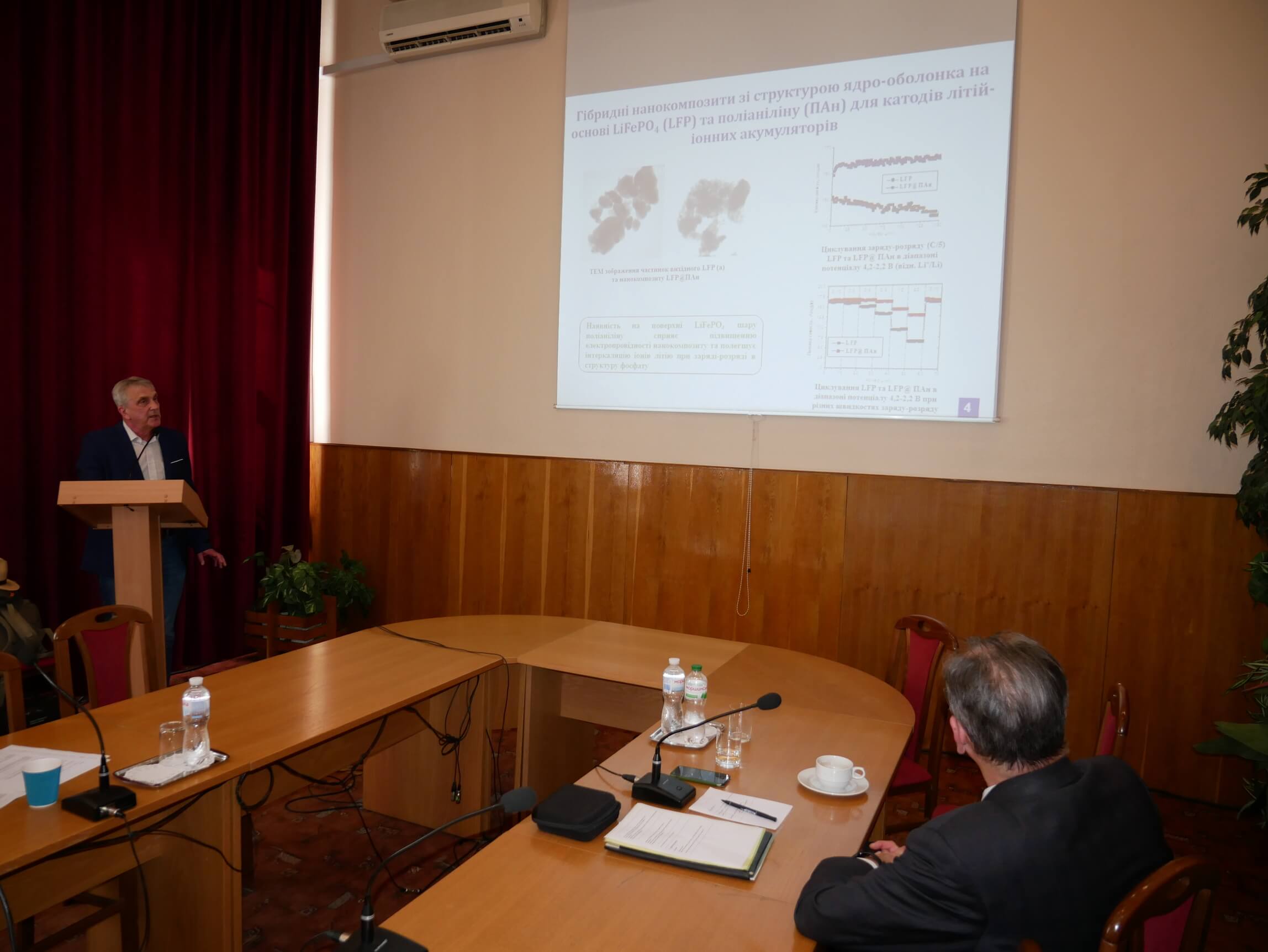
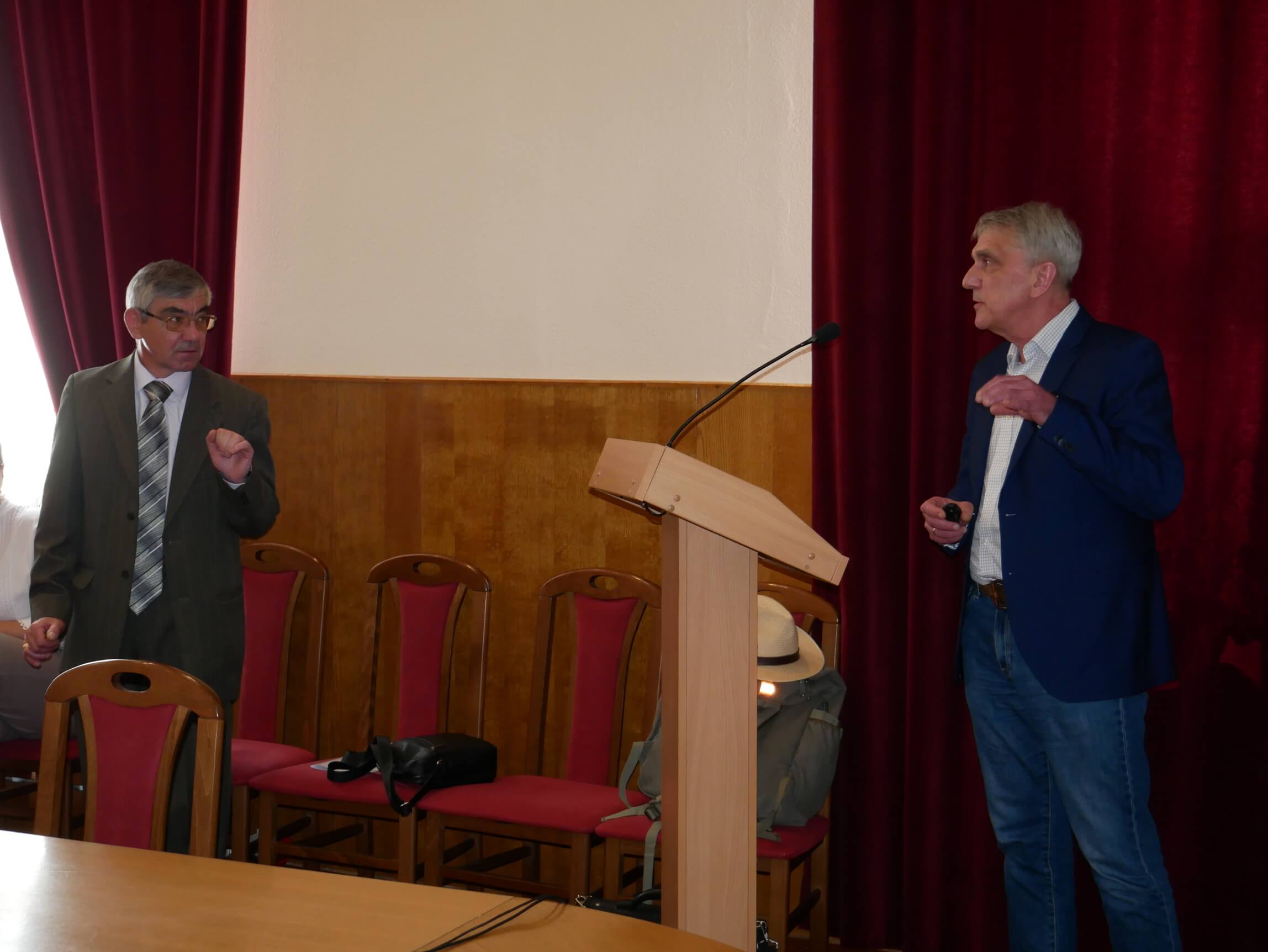
The scientist recalled that research in the field of physical chemistry of organic electrically conductive polymers (ECP) in Ukraine was initiated by NAS of Ukraine academician Vitaliy Dmytrovych Pokhodenko from the moment of the appearance of pioneering works in this relevant direction. The speaker presented the results of recent studies at the L.V. Pisarzhevsky Institute of Physical Chemistry of the NAS of Ukraine on the development of original methods for synthesizing ECPs and a number of nanocomposites based on them as multifunctional materials for various purposes, establishing the relationship “composition–structure–properties” in the obtained materials, and evaluating their prospects for use in lithium batteries, optoelectronic devices, sensors, as well as in electro- and heterogeneous catalysis. In particular, an environmentally friendly mechanochemical method for obtaining a wide range of ECPs was considered, core-shell type nanocomposites based on LiFePO4 and polyaniline (PANI) as cathode materials for lithium batteries with high electrochemical characteristics, polymeric and hybrid materials based on ECPs with polythiophene and poly-p-phenylenevinylene structures for optical applications. The speaker gave examples of using several N-containing ECPs as precursors in designing efficient platinum-free electrocatalysts for oxygen reduction, hydrogen and oxygen evolution – cobalt-nitrogen-carbon (Co-N-C) systems, nanocomposites based on Mo2C, Mo2N particles and N,P-doped reduced graphene oxide, hybrid composites based on d-metal phosphides, etc. He also discussed the catalytic activity of PANI in heterogeneous hydrogenation of ethylene, p-nitrophenol, and α-methylstyrene with molecular hydrogen, as well as Co-N-C catalyst in quinoline hydrogenation. As examples of sensor applications of ECPs, Yaroslav Kurys mentioned multichannel arrays of chemiresistive sensors “electronic nose” and sensitive materials for amperometric bio- and chemosensors – poly-o-phenylenediamine films with immobilized laccase and electrochemically obtained molecularly imprinted ECPs.
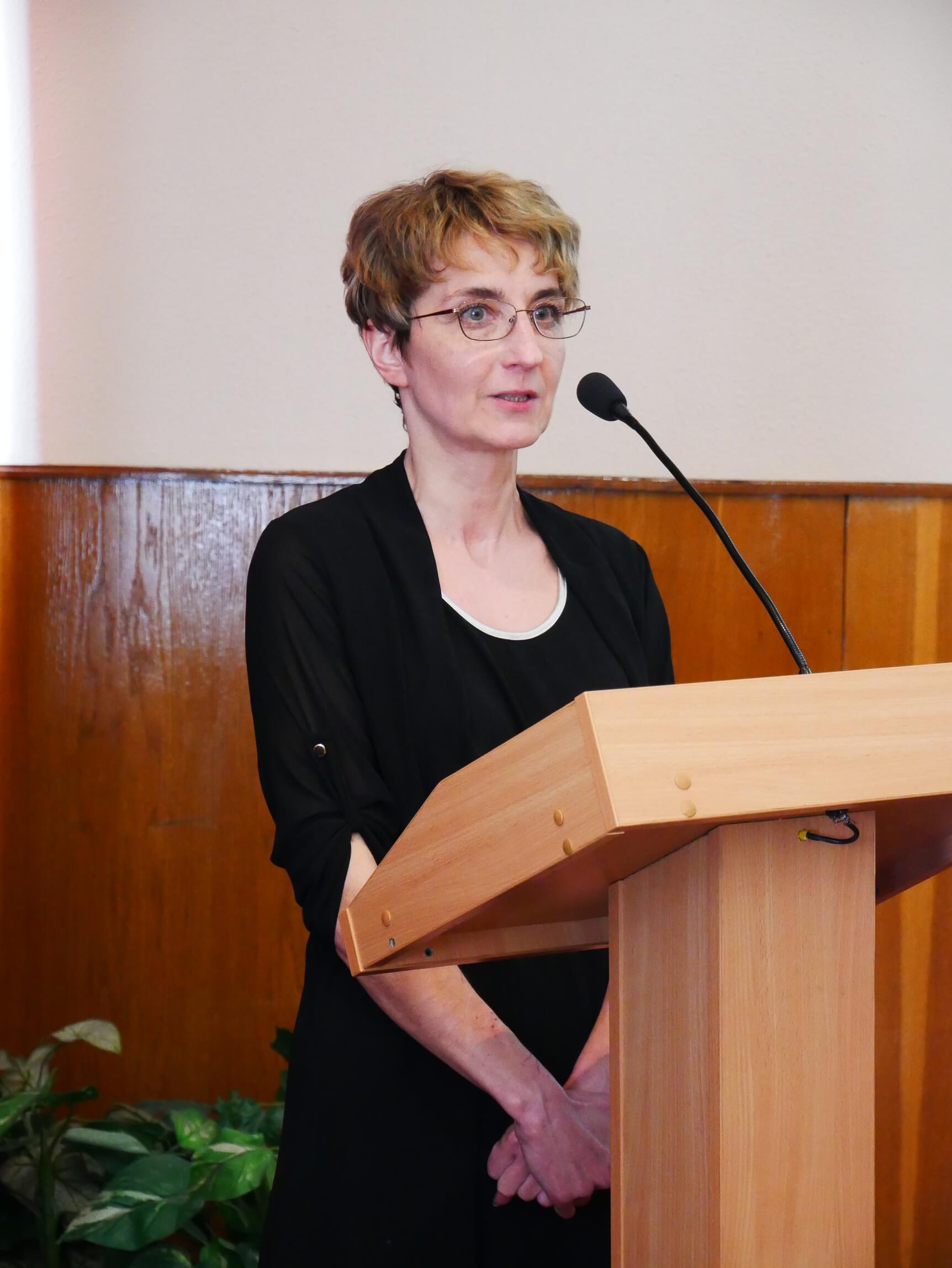
Senior research fellow of the L.V. Pisarzhevsky Institute of Physical Chemistry of the NAS of Ukraine, Candidate of Chemical Sciences Olha Kozarenko reported on “Physicochemical properties, structure, and functional characteristics of hybrid nanocomposites based on 2D materials”.
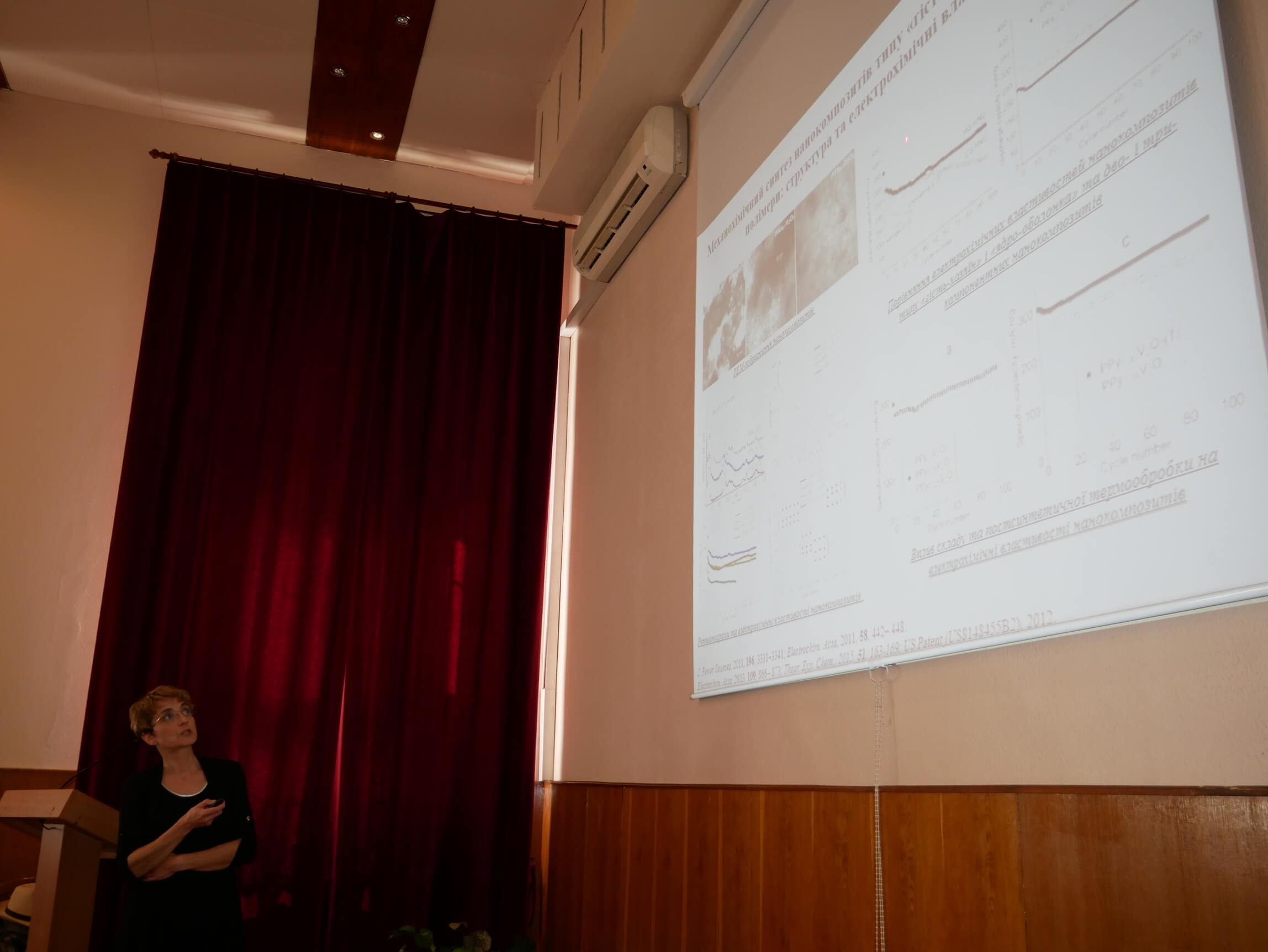
Her report was devoted to the evolution of scientific approaches to designing functional nanomaterials implemented under the leadership of NAS of Ukraine academician Vitaliy Dmytrovych Pokhodenko: from the concept of direct intercalation of electrically conductive polymer macromolecules into interlayer galleries of vanadium and molybdenum oxides to modern synthesis strategies. The approach of direct intercalation of electrically conductive polymers into layered transition metal oxides, in particular V2O5 and MoO3, implemented in cooperation with General Motors Corporation, allowed avoiding parasitic reduction of the inorganic matrix and provided record electrical conductivity of composites up to 10 S/cm. This became the basis for further development of energy-efficient mechanochemical methods for obtaining hybrid organo-inorganic nanocomposites of the “guest-host” type. These materials proved to be effective electrodes for lithium power sources with high specific capacity and stability to charge-discharge cycling.
By original mechanical exfoliation, V.D. Pokhodenko and colleagues developed a universal approach to obtaining new 2D materials and heterostructures: graphene, transition metal dichalcogenides MoS2, MoSe2, and WS2, boron nitride BN, and carbon nitride C3N4. For the first time, mechanochemically induced and direct mechanochemical doping of graphene with nitrogen atoms with controlled defect states was proposed, enabling the creation of highly efficient oxygen reduction electrocatalysts, materials for flow redox batteries, and selective biosensors. Heterostructures based on 2D materials of different nature allowed obtaining new highly active and stable electro- and photocatalysts for hydrogen evolution.
One important research direction of V.D. Pokhodenko was also the design of stable halide perovskites. Thanks to mechanochemical integration of nanocrystals into protective matrices of zeolites and BN, increased moisture resistance and improved luminescent characteristics were achieved, opening prospects for their use in next-generation lighting materials.
Overall, the mechanochemical approach has formed as a universal platform for creating functional nanomaterials for “green” energy and modern lighting technology.
The concluding word was given by NAS of Ukraine academician Petro Stryzhak, who thanked the speakers and all participants for joining the General Meeting of the Chemistry Department of the NAS of Ukraine, for the interesting memories and important scientific results that continue the work of the three outstanding academician chemists, multiplying their achievements.
Video recording of the first (memorial) part of the meeting
According to information from the Chemistry Department of the NAS of Ukraine,
the Vernadsky Institute of General and Inorganic Chemistry,
the L.V. Pisarzhevsky Institute of Physical Chemistry of the NAS of Ukraine,
and Taras Shevchenko National University of Kyiv
Photo: Press Service of the NAS of Ukraine