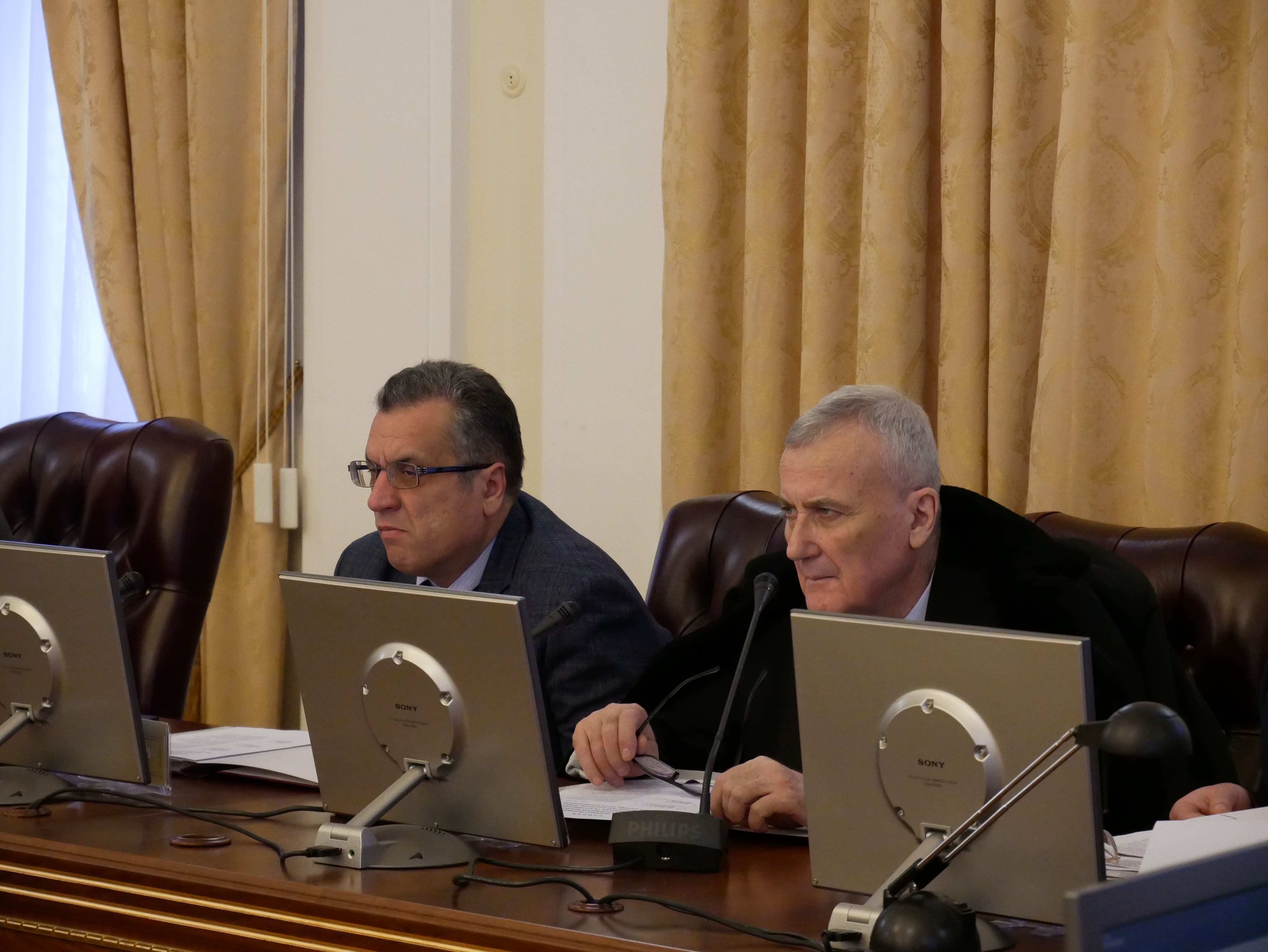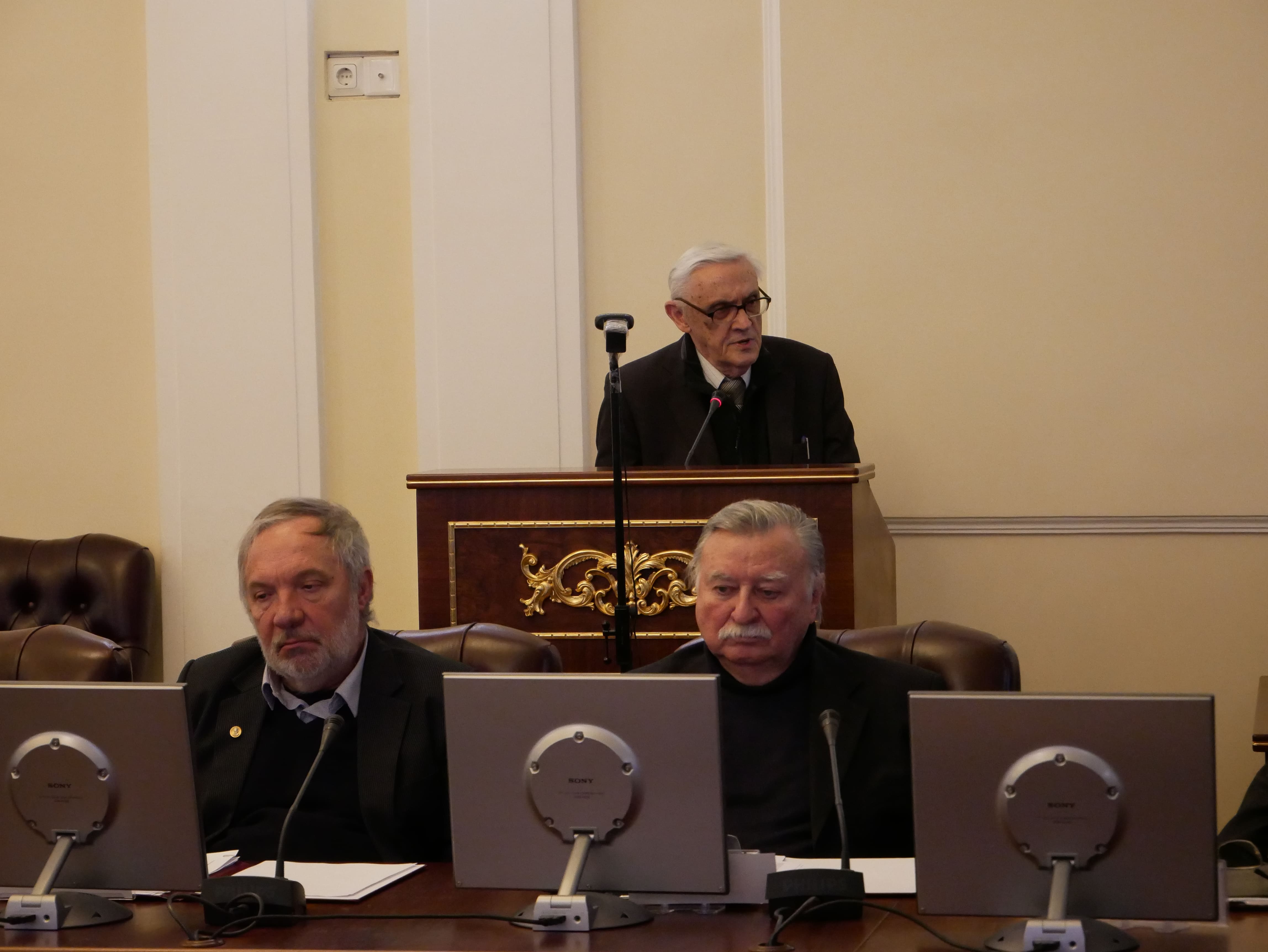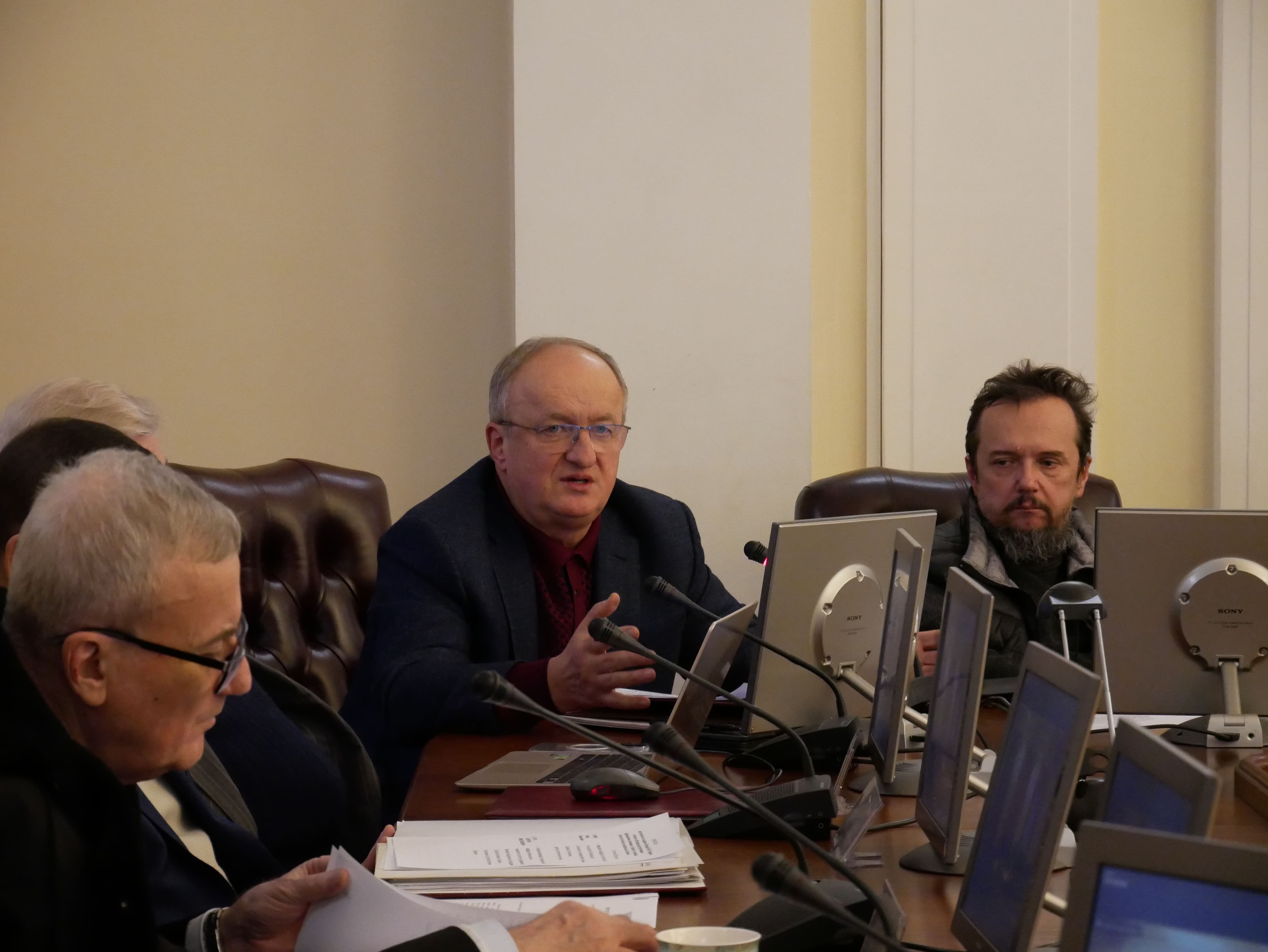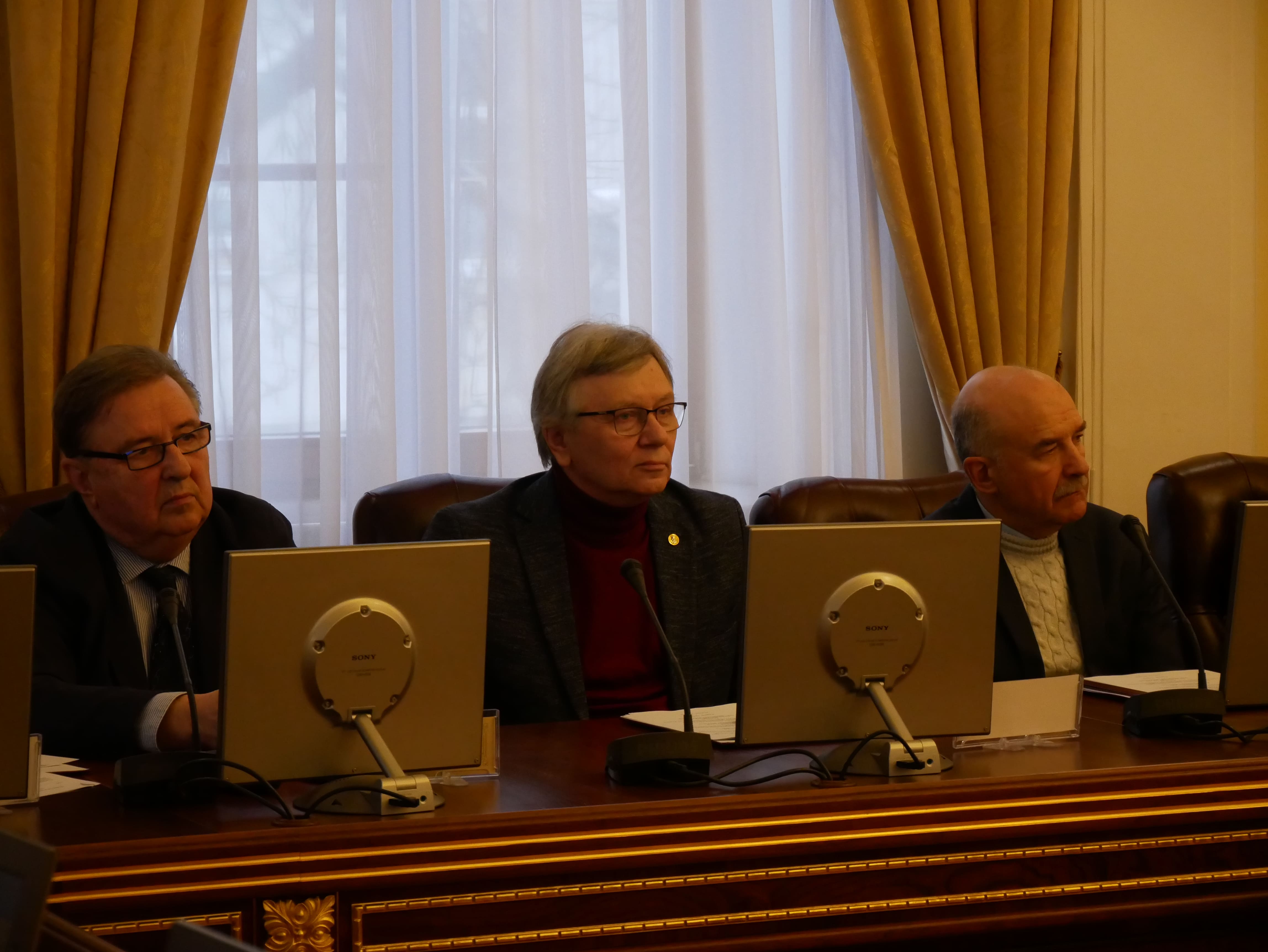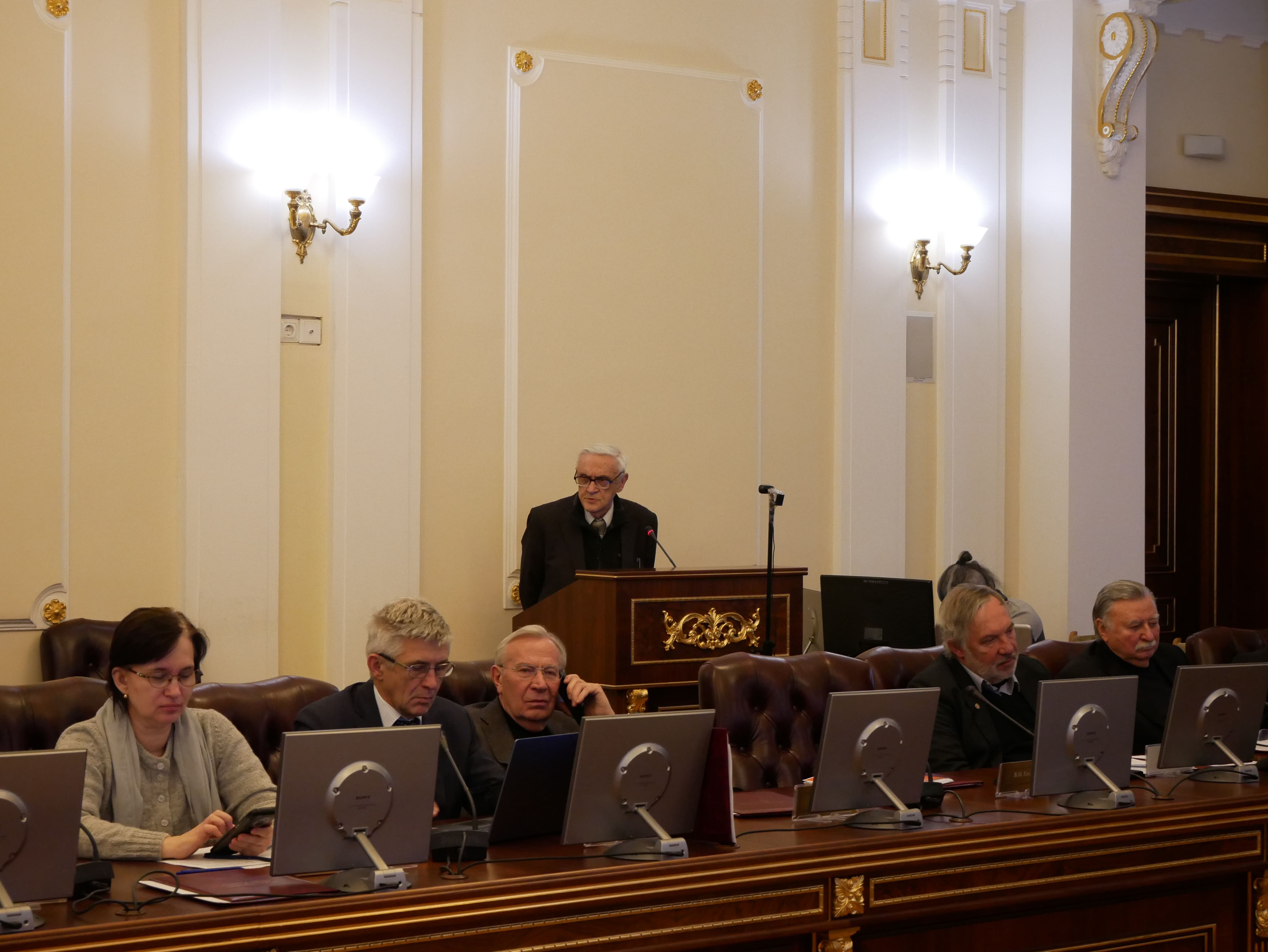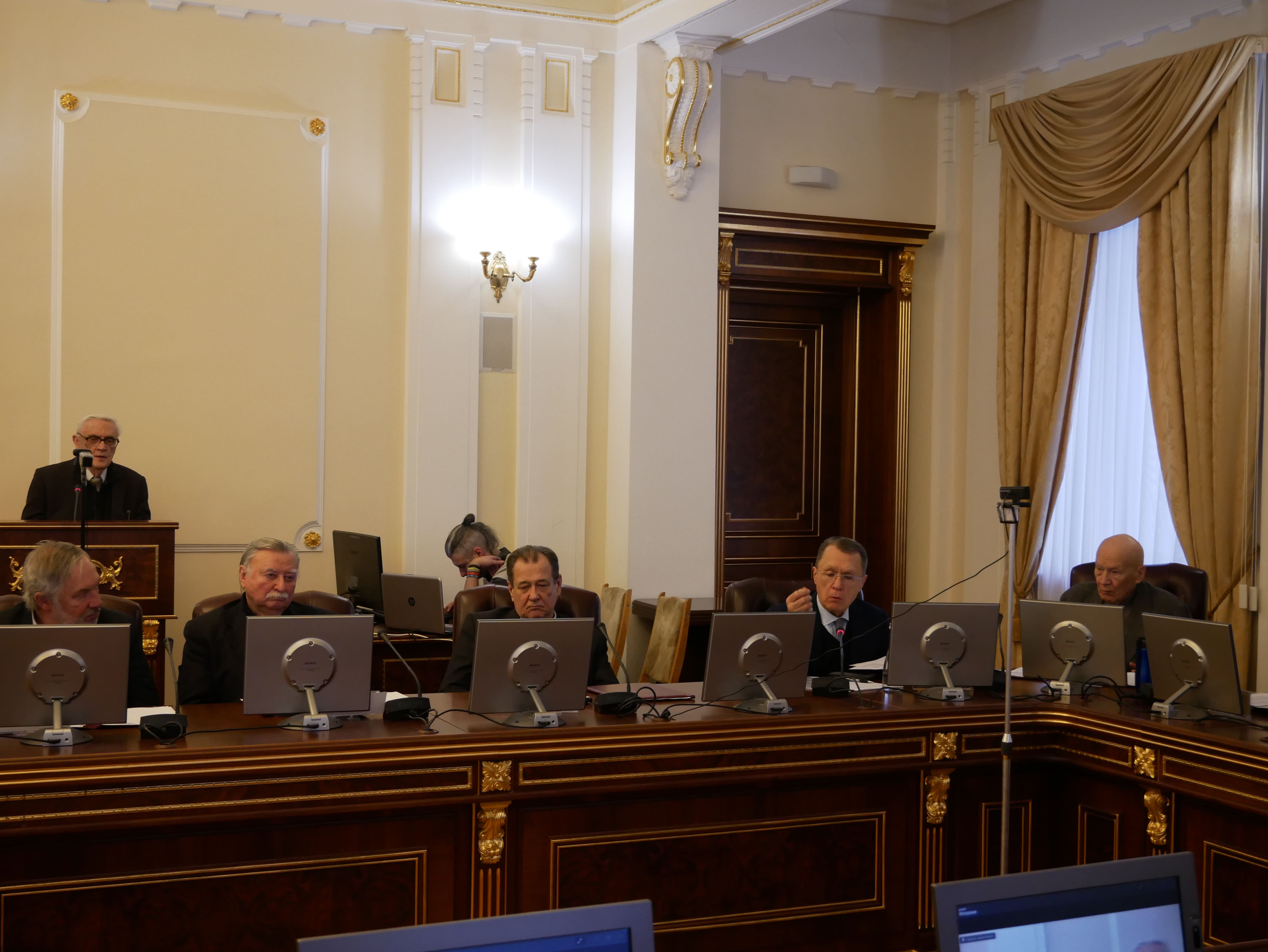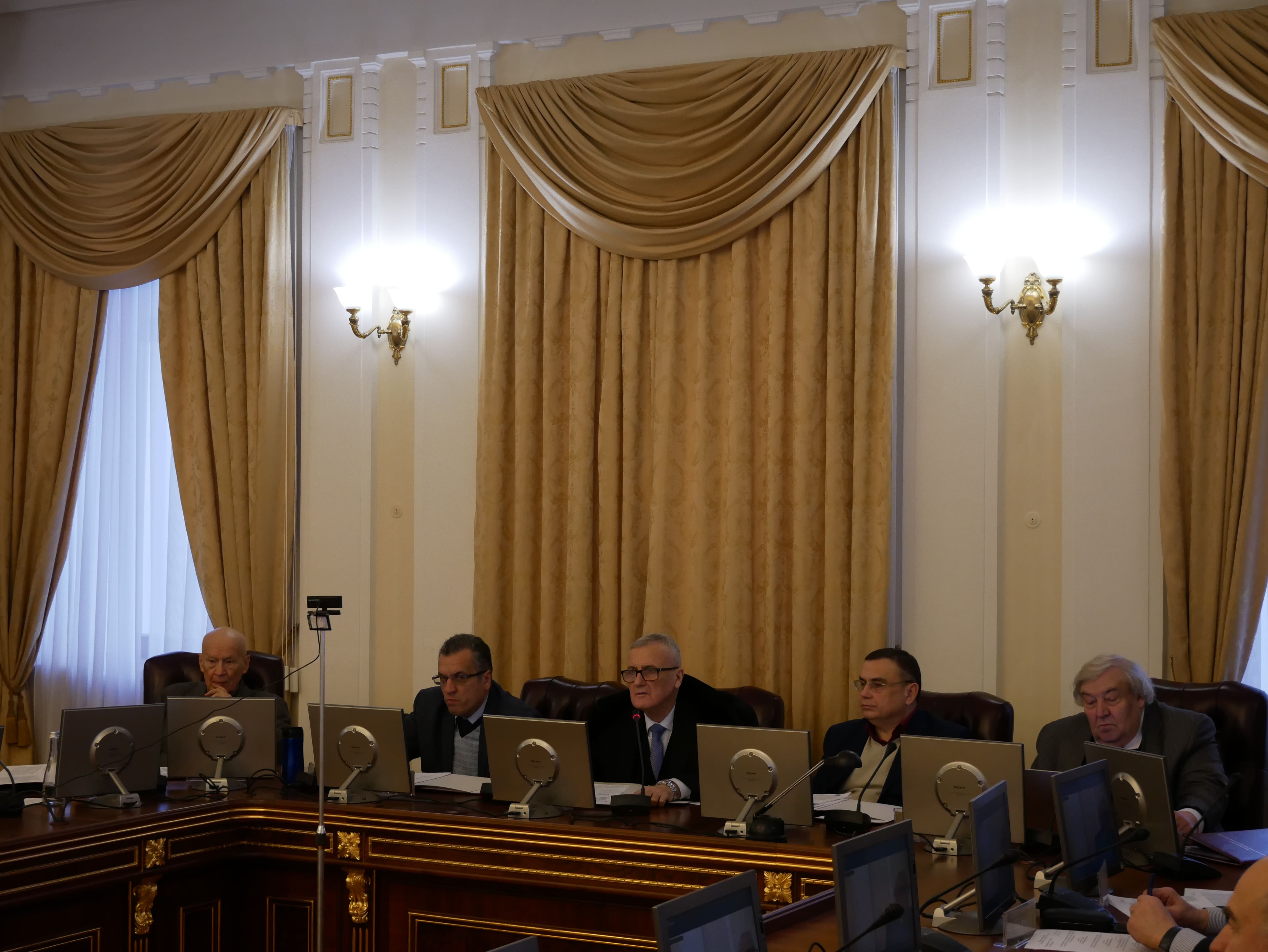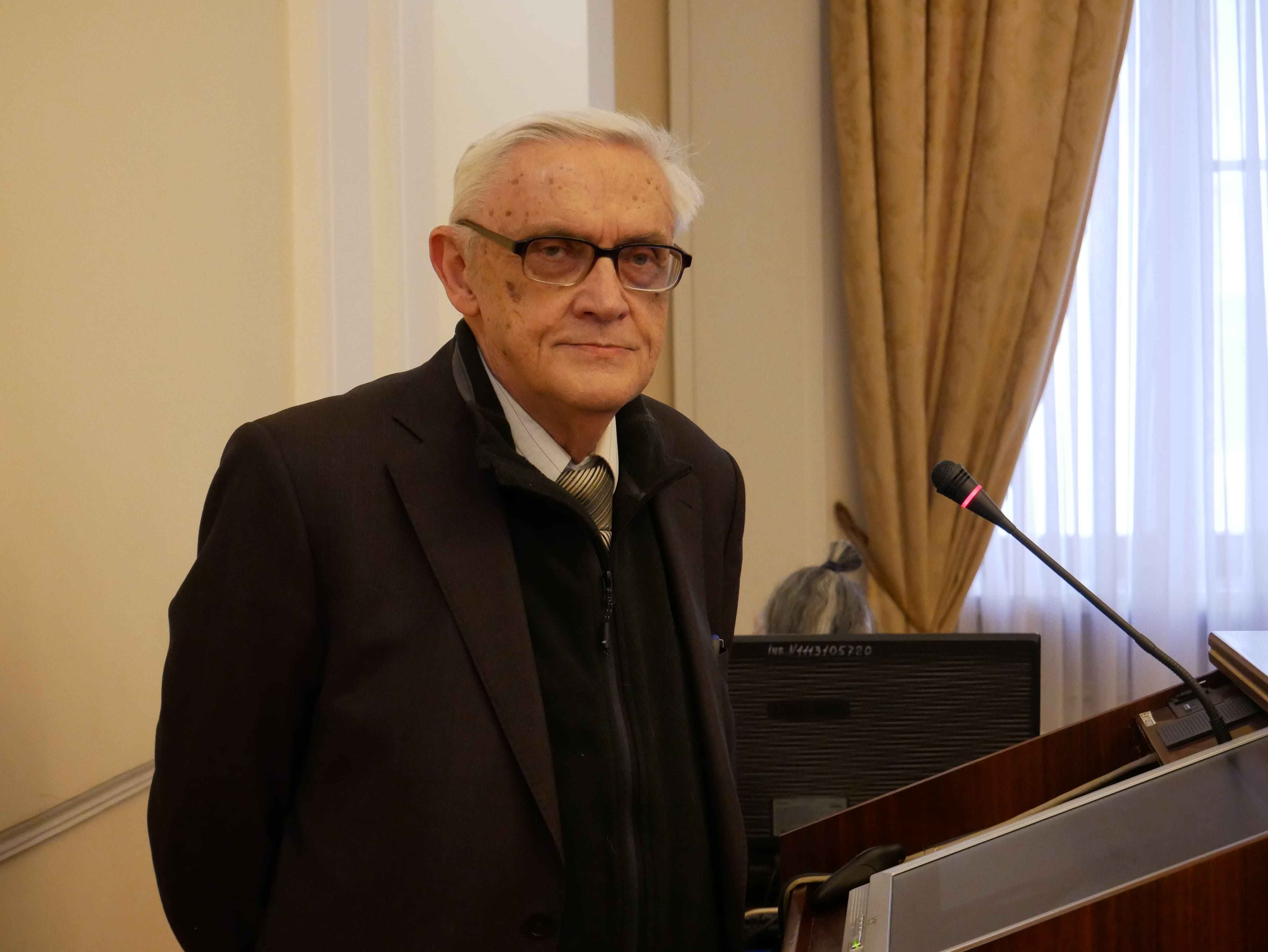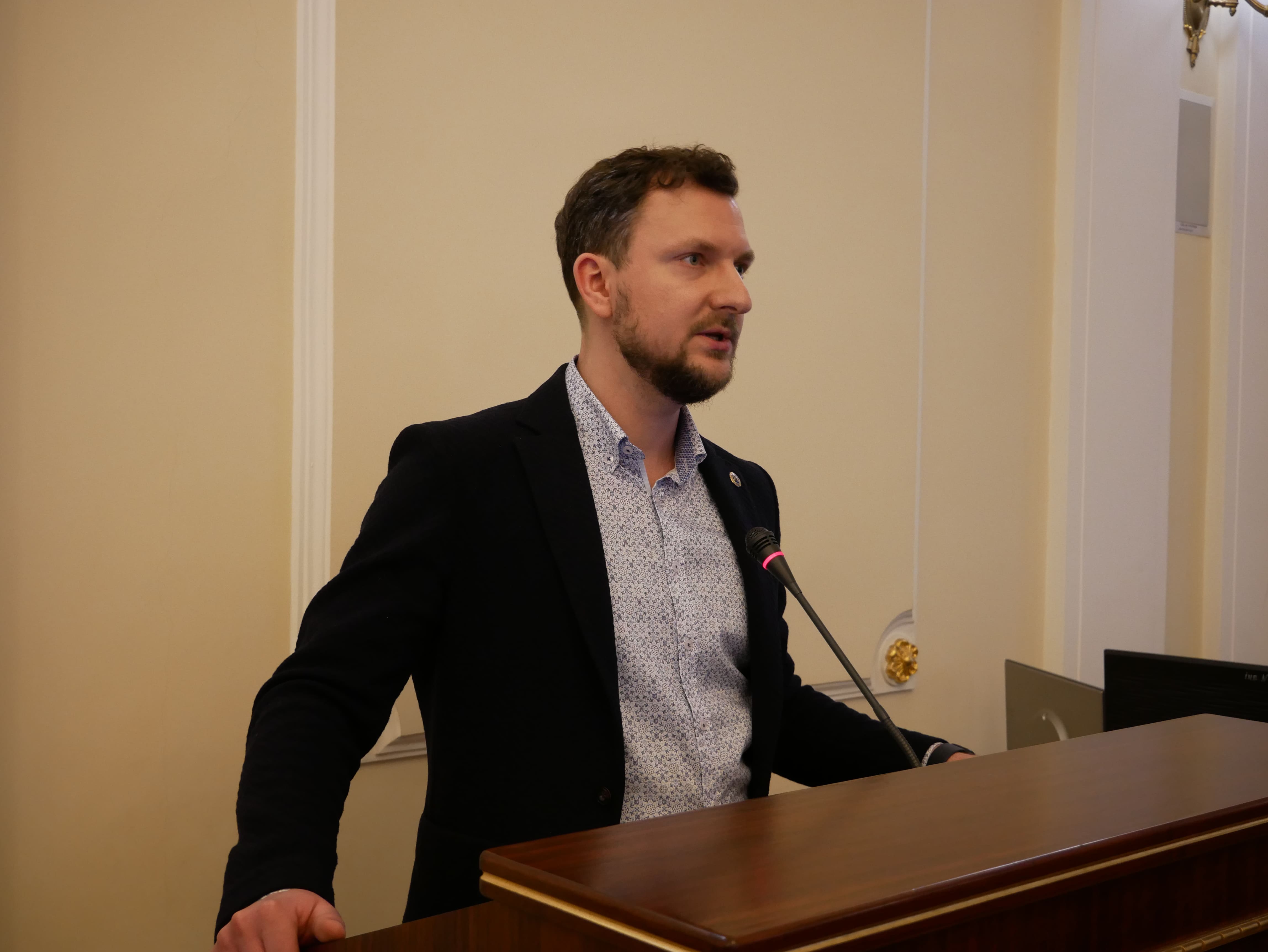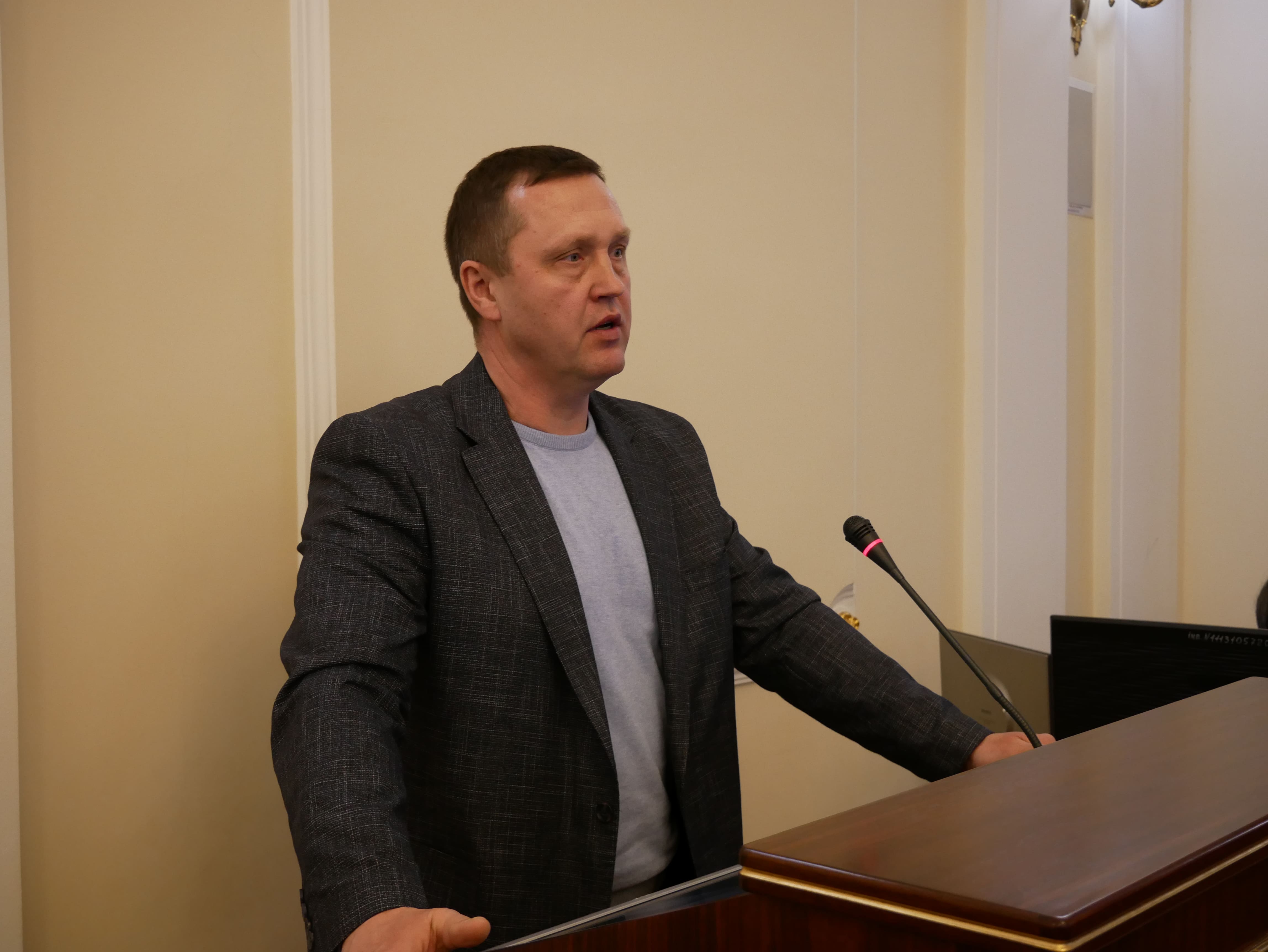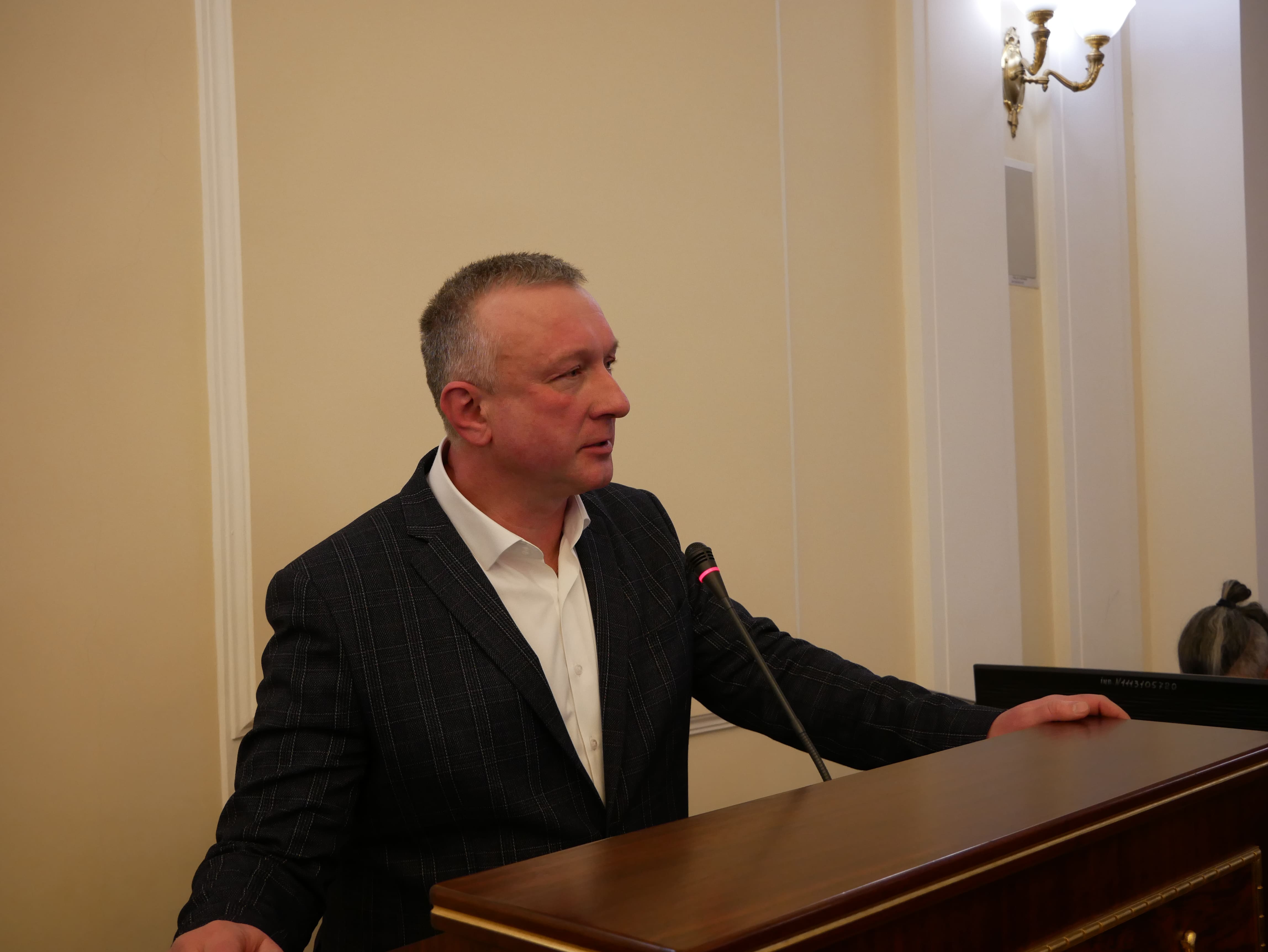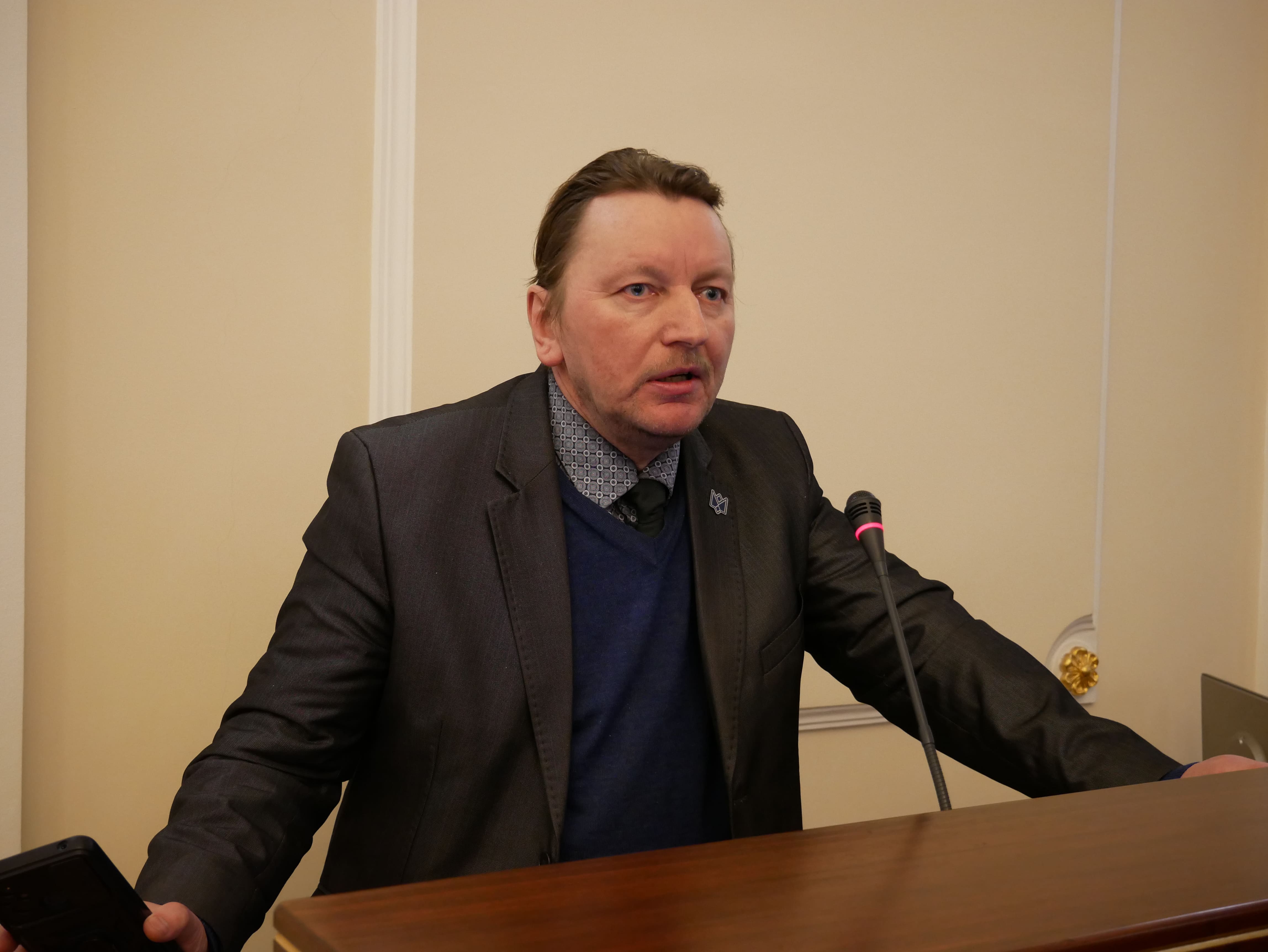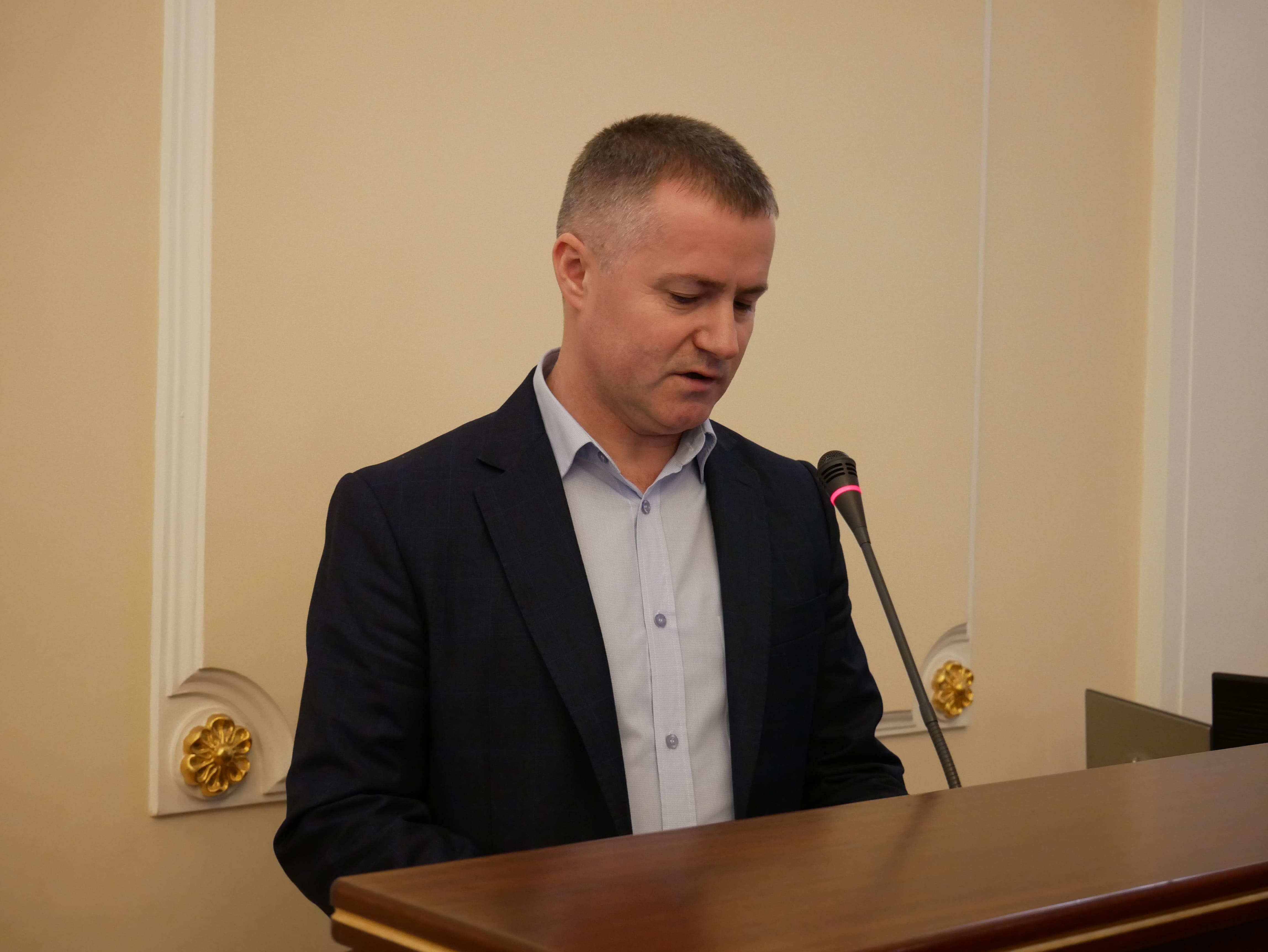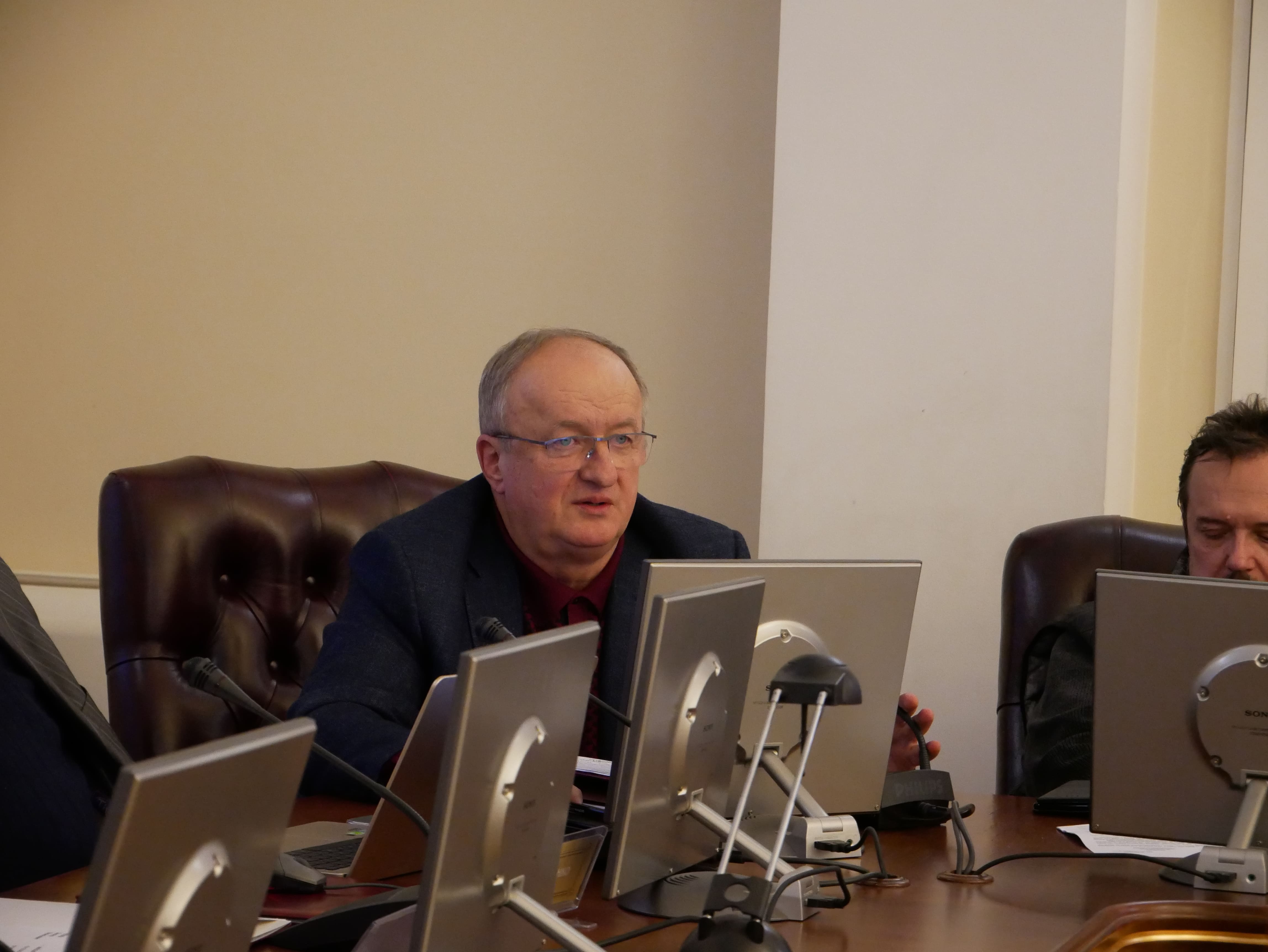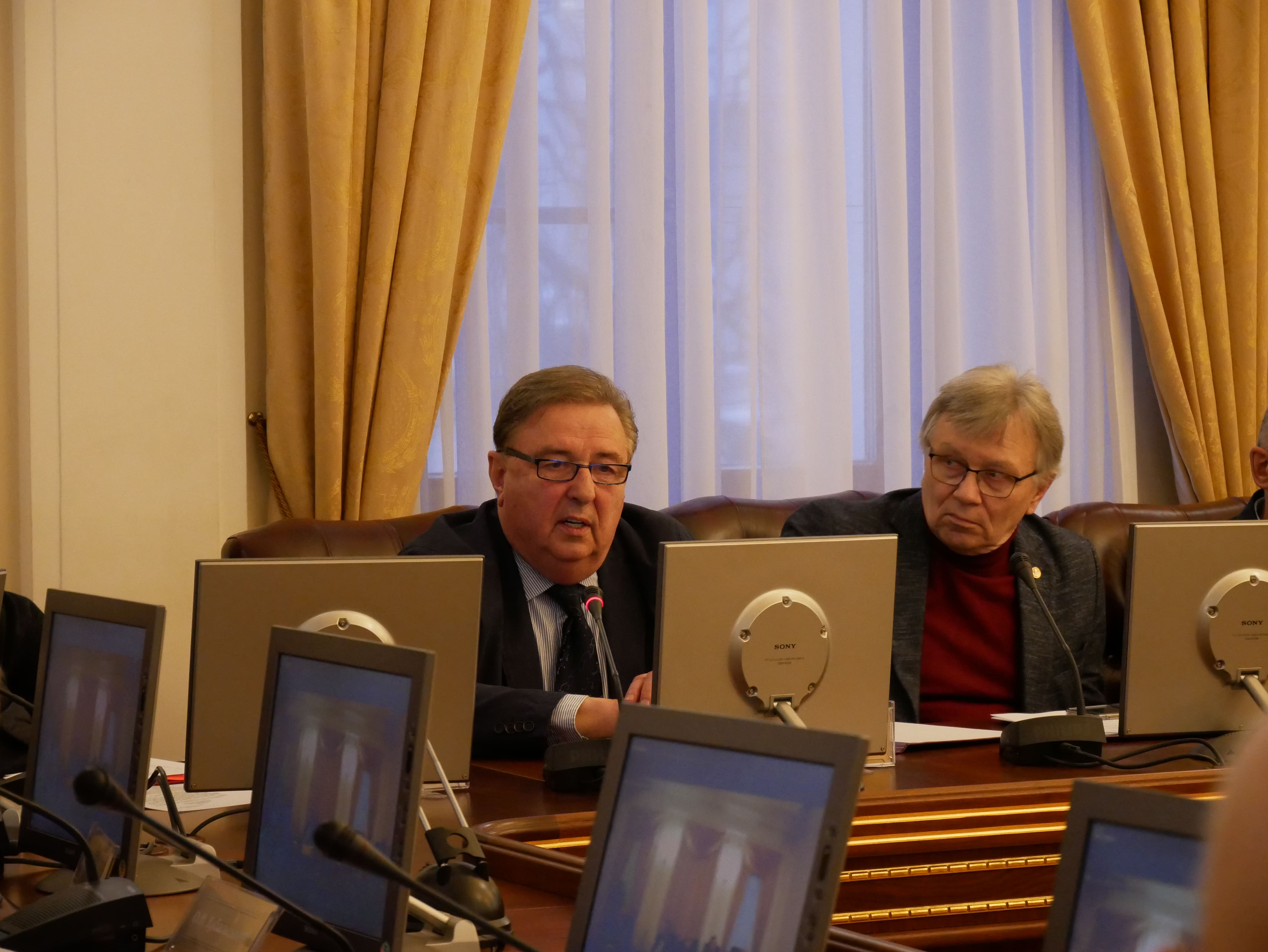
On January 28, 2026, under the chairmanship of the President of the NAS of Ukraine, academician Anatoliy Zahorodniy, a regular meeting of the Presidium of the National Academy of Sciences of Ukraine was held. The key topics on the agenda were breakthrough developments in domestic biomaterials science for the treatment of severe injuries, as well as strategies to counter destructive informational influences in wartime conditions.
The first report – "Creation of implants with osteoinductive and antibacterial properties for the elimination of critical-sized bone defects after gunshot wounds" – was presented by NAS of Ukraine academician Serhiy Firstov.
The scientist presented the results of fundamental and applied research carried out at the I.M. Frantsevich Institute for Problems of Materials Science of the NAS of Ukraine, aimed at creating unique next-generation implants for the treatment of complex bone injuries after explosive and gunshot wounds – a problem faced today by thousands of wounded Ukrainian soldiers.
This is not simply about replacing lost bone fragments. Scientists are working on materials that actively participate in the healing process: stimulating the formation of new bone tissue, combating infections, and can be customized for individual patients. Such properties are critically important for complex reconstructive surgeries.
The work is conducted in close collaboration among NAS of Ukraine scientists, medical professionals, universities, and clinics, allowing the combination of fundamental research with the practical needs of modern medicine.
One of the key achievements was the creation of bioactive nanostructured ceramics combining calcium, phosphorus, and silicon. This combination enabled the development of a material that effectively interacts with the biological environment at the cellular level and is gradually replaced by fully functional bone tissue without losing the shape of the damaged fragment. This is particularly significant for the restoration of facial skull bones and other anatomically complex areas.
Special attention was given to infection protection. Unlike traditional approaches, the developed materials acquire antibacterial and even antiviral properties without the use of antibiotics – through safe alloying with biocompatible elements. Laboratory studies demonstrated high effectiveness of such materials against pathogenic microorganisms and their ability to prevent biofilm formation, which is critically important for postoperative healing, especially amid the spread of antibiotic resistance.
Scientists are also studying the interaction of biomaterials with stem cells. It has been established that on modified ceramics, cell differentiation into bone tissue occurs more naturally than under standard protocols, opening new possibilities for reconstructive surgery.
An important stage was the integration of biomaterials with modern 3D printing technologies. Together with the E.O. Paton Institute of Electric Welding of the NAS of Ukraine, personalized implants and bioactive coatings for titanium structures are being developed, which provide better osteointegration and accelerate healing. A technology for manufacturing ceramic implants without polymer plasticizers has also been proposed, reducing their cost without quality loss. This opens new opportunities for complex reconstructive surgery and significantly increases the chances of full recovery.
It is fundamentally important that the research does not remain at the laboratory level. Already today, these materials are used in clinical practice: dozens of surgeries to restore large bone defects in soldiers with severe injuries have been performed at the "Dobrobut" medical clinic. The sizes of the injuries ranged from 5 to 12 cm, and some patients have already returned to service or are undergoing further rehabilitation.
To develop this direction, a specialized laboratory for the production and study of biomaterials has been created, which is to become the basis for further implementation and serial production of new implants – bioactive, antibacterial, and osteoinductive. According to experts in military medicine and the defense sector, some developments are already ready for practical use, and further research using cell technologies and 3D printing is a promising and extremely relevant continuation of this work.
In the discussion of this report, the academic secretary of the O.O. Bohomolets National Medical University, Candidate of Medical Sciences Roman Palyvoda, emphasized the relevance of developments for facial bone reconstruction in the wounded. He noted the promise of bioceramics, particularly materials alloyed with germanium, and reported on experimental results and attempts to use bioceramics as a "scaffold" for stem cell fixation.
Orthopedic doctor at the Center for Innovative Medical Technologies of the "Dobrobut" clinic Vasyl Shmahoy shared practical experience in using bioceramics in patients with critical bone defects. He explained why such defects cannot heal on their own and stressed that the material works as a cavity filler alongside metal fixators. According to him, the clinic already has three years of experience and dozens of cases, and the long-term results look convincing, particularly due to the material’s triphasic structure and the ability to form the required geometry using 3D technologies.
The head of the Department of Veterinary Surgery and Anesthesiology at Bila Tserkva National Agrarian University, academician of the NAAS of Ukraine Mykhailo Rublenko, noted the promise of calcium-phosphate ceramics as a biocompatible material for bone replacement, positive results of preclinical studies, and the importance of further development of composite solutions – combining bioceramics with biopolymers and metal implants with bioactive coatings.
NAS of Ukraine academician Vitaliy Tsymbalyuk supported the direction and simultaneously emphasized the importance of clear protocols for transitioning from research to broad clinical implementation, involving specialized institutes of the National Academy of Medical Sciences of Ukraine and appropriate approval procedures. He also expressed readiness to facilitate expanded cooperation with medical institutions.
The academic secretary of the Department of Materials Science of the NAS of Ukraine, director of the E.O. Paton Institute of Electric Welding, NAS of Ukraine academician Ihor Krivtsun, drew a historical parallel with works developed in the institute environment under the support of academician Borys Paton and noted that the presented results are an important response to longstanding challenges in bone tissue restoration.
The academic secretary of the Department of Biochemistry, Physiology, and Molecular Biology of the NAS of Ukraine, director of the D.K. Zabolotny Institute of Microbiology and Virology, NAS of Ukraine academician Mykola Spivak, spoke about research on microbial-origin biopolymers, particularly polyhydroxybutyrates, which can be used as promising materials for restoring bone and craniofacial defects. He noted that the Institute of Microbiology and Virology has identified microorganisms capable of producing such biopolymers and obtained initial positive results from preclinical experiments. According to him, further development of this direction requires scaling up production and expanding inter-institutional cooperation.
The second report at the meeting was presented by the Deputy Director of the I.F. Kuras Institute of Political and Ethnonational Studies of the NAS of Ukraine, Doctor of Historical Sciences Yuriy Nikolaets. It was dedicated to countering destructive informational influences in Ukraine amid the current Russian-Ukrainian war.
The report emphasized that the information space today is a full-fledged field of confrontation. Destructive informational influences are not accidental fake news but organized and targeted actions aimed at manipulating public consciousness, undermining trust, lowering moral and psychological resilience, and provoking panic moods. In this sense, informational attacks become an important component of warfare.
It was stressed that the sources of such influences can be not only openly hostile media but also internal informational resources and platforms that formally position themselves as neutral. In wartime, competition between official and unofficial information intensifies, and any attempts at manipulation by authorities only increase distrust – which the enemy actively exploits.
The speaker paid special attention to the ideological foundations of Russian informational operations. The concept of the so-called "Russian world" is viewed as a universal tool for legitimizing aggression and manipulatively explaining the actions of the Russian Federation in both domestic and foreign policy.
The report emphasized that countering destructive informational influences cannot be limited to merely debunking fakes or forming counter-discourse. It requires a comprehensive approach – from legal and institutional decisions, compliance with language legislation, and actions by security services to raising media literacy among citizens, developing regional media, and responsible information consumption.
Special attention was drawn to the risks associated with the use of social networks, messengers, and video hosting services of foreign origin, which employ targeted dissemination of narratives and data collection. At the same time, it was emphasized that critical attitude toward information sources should not turn into all-encompassing distrust of the media.
The report also noted that an important component of state information policy is positive, mobilizing content – in particular about prospects for post-war recovery, economic modernization, regional cohesion, and the real experience of the Armed Forces of Ukraine in resisting full-scale aggression.
In conclusion, it was emphasized that the problem of destructive informational influences will remain relevant even after the end of hostilities. That is why social and humanitarian scientific institutions of the NAS of Ukraine focus on interdisciplinary research aimed at preserving social solidarity, informational resilience, and national security of Ukraine.
In the discussion of the speech, the head of the Department of Political Science and Sociology at Borys Grinchenko Kyiv Metropolitan University, Doctor of Political Sciences Leonid Chupriy, supported the main conclusions of the report and emphasized that the information war is a full-fledged component of Russian aggression against Ukraine. He drew attention to the systemic nature of Russian propaganda aimed at denying Ukrainian statehood, culture, and historical heritage, as well as manipulations aimed at fueling internal conflicts and discrediting Ukraine on the international stage. The regional specificity of Russian disinformation campaigns in EU countries was also noted, along with the importance of more active work in educational and communication environments – including strengthening the humanitarian component of education and broader use of scientific developments in public diplomacy.
Senior lecturer of the special department of the Educational and Scientific Institute of State Security of the National Academy of the Security Service of Ukraine, Security Service of Ukraine Colonel Valentyn Bihun, supported the key conclusions of the report and separately emphasized the role of security services in countering informational threats. He noted that this work must rely on modern legal frameworks: Ukraine has repeatedly approached the idea of a systemic law on information security, but the issue still requires updating and clearer regulation – including responsibility for spreading knowingly false information and countering radicalism and extremism in the informational sphere. He also stressed the importance of ongoing cooperation between science and the Security Service of Ukraine in protecting national interests.
Vice President of the NAS of Ukraine, director of the I.F. Kuras Institute of Political and Ethnonational Studies, NAS of Ukraine academician Oleh Rafalskyi, emphasized that the information war is an integral part of hybrid confrontation and does not disappear even when the "hot" phase changes. Among practical points, he raised a difficult issue: researchers need broader and legal access to primary sources (including media content of the aggressor country and neighbors) to professionally analyze narratives and influence tools. At the same time, he stressed the need for a balance between freedom of speech and responsibility and proposed strengthening coordination among NAS of Ukraine institutions for a faster response to informational challenges.
The academic secretary of the Department of Informatics of the NAS of Ukraine, NAS of Ukraine academician Oleksandr Khimich, shifted the discussion to the technological plane: in particular, he drew attention to the challenges of the post-quantum era for cybersecurity and the problem of deepfake as a tool of informational attacks. He emphasized that preparations for the consequences of quantum computing use and the new wave of manipulations involving AI must begin now – both at the research level and in ethics and legislation.
At the end, the participants of the meeting considered a number of personnel and current issues.
Photo: Press Service of the NAS of Ukraine