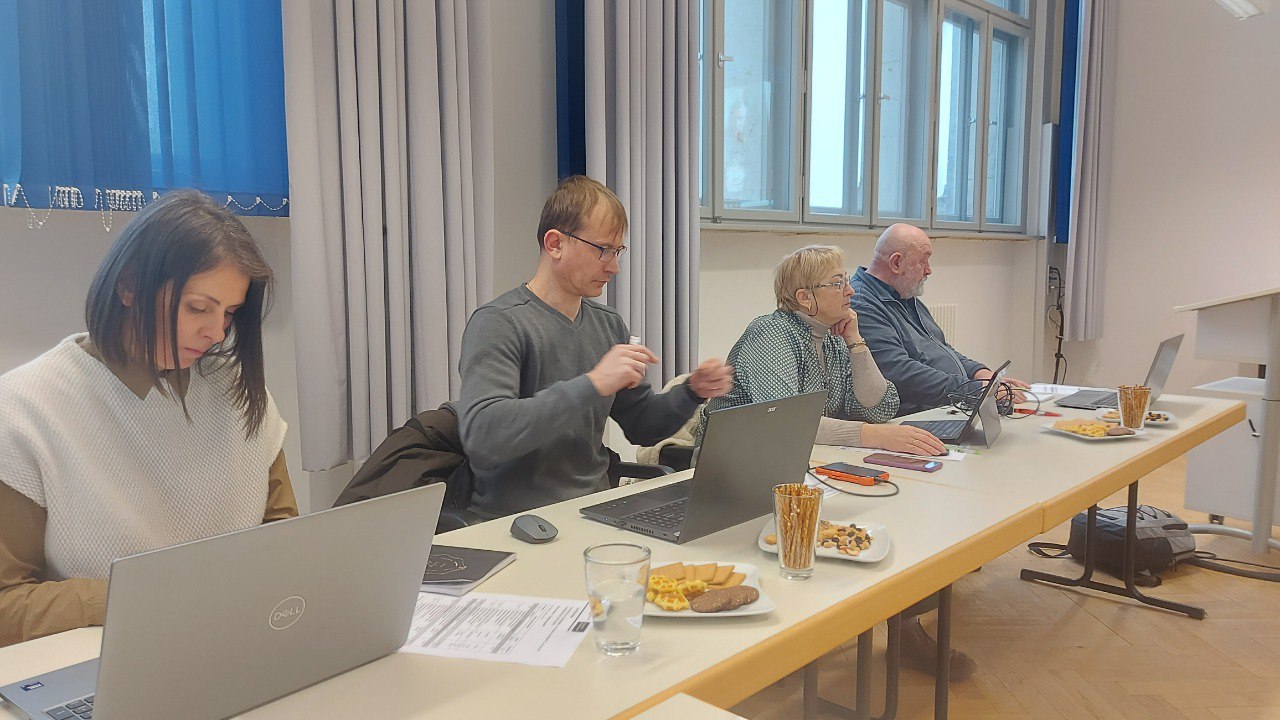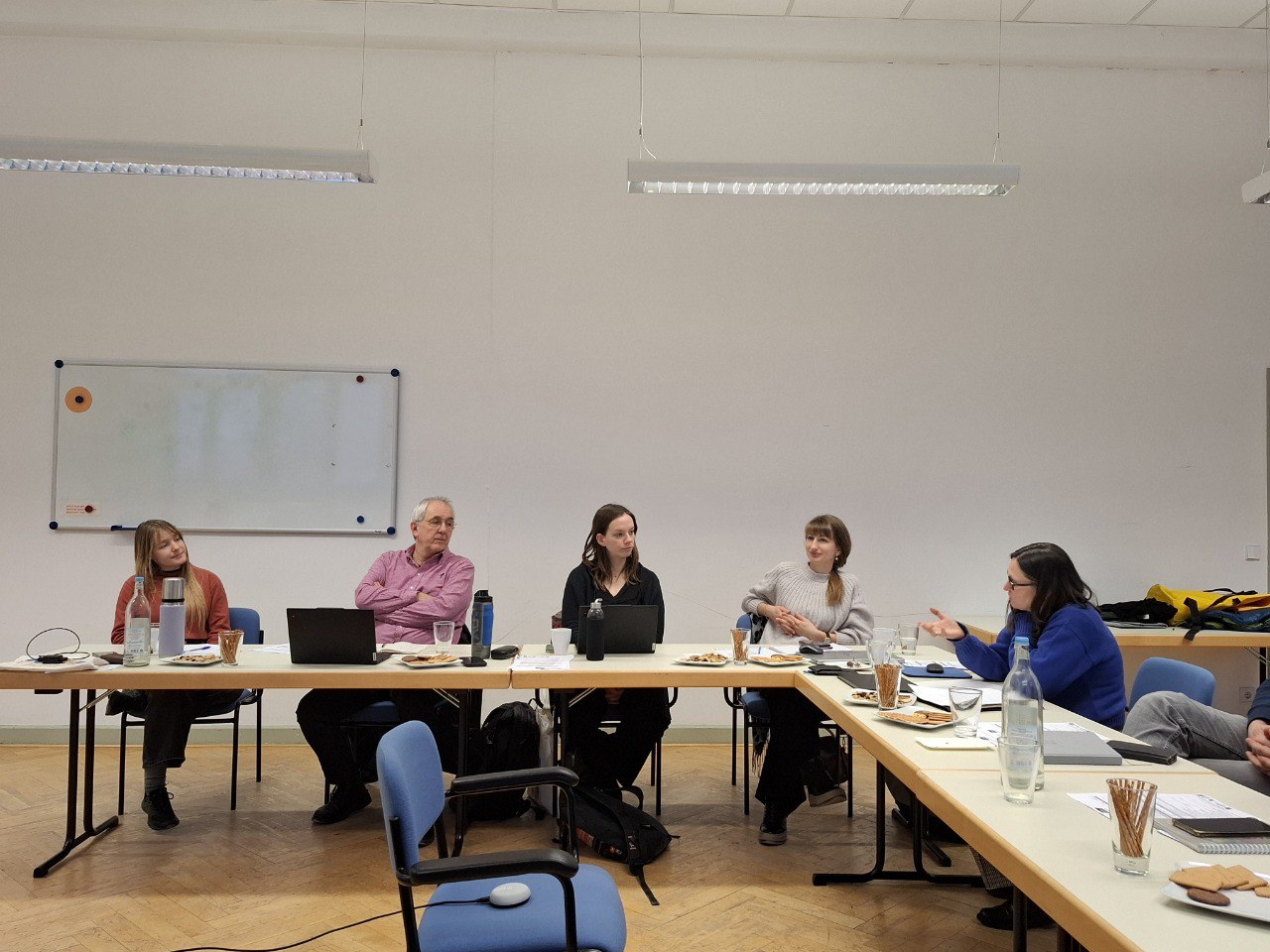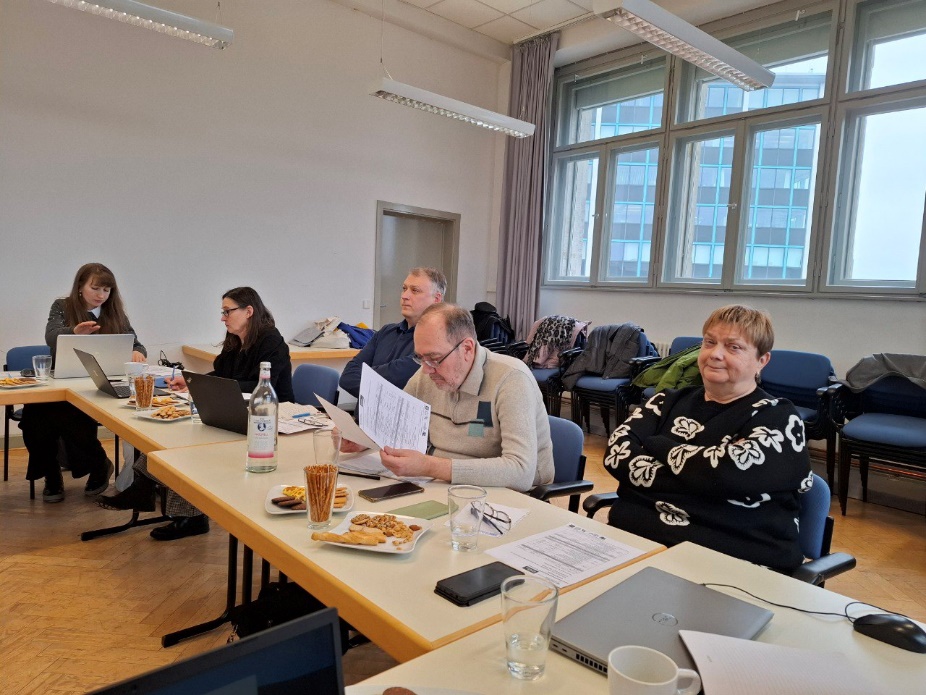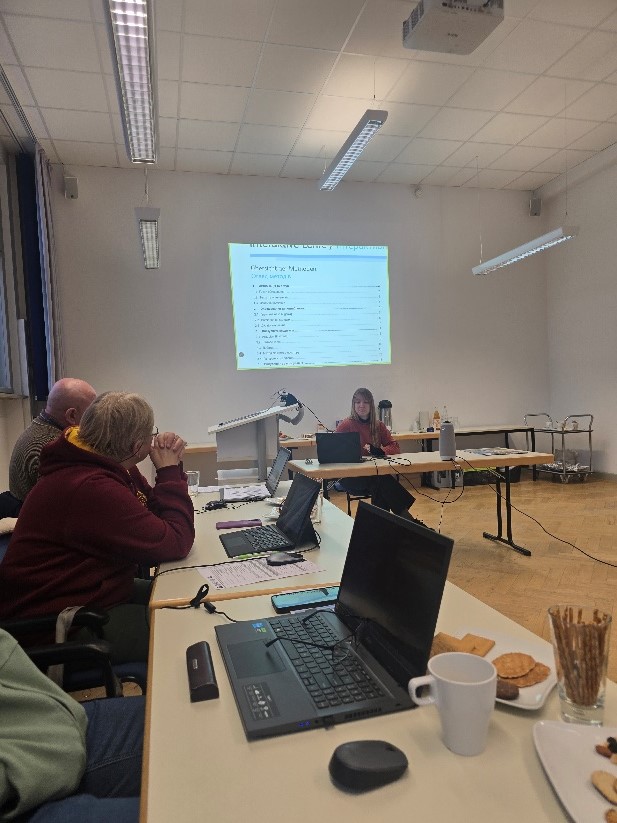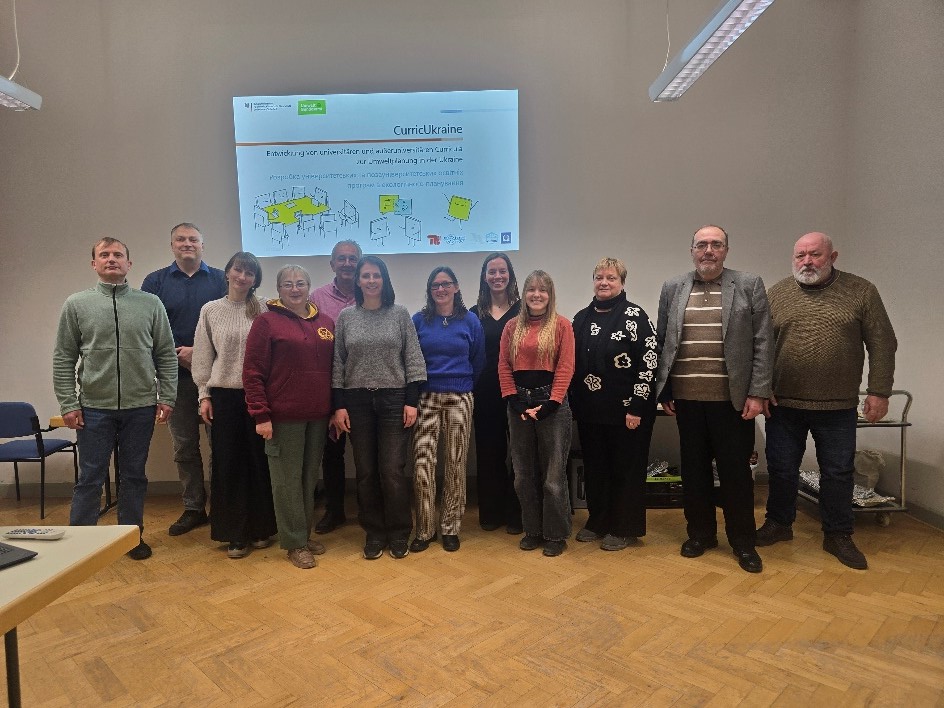
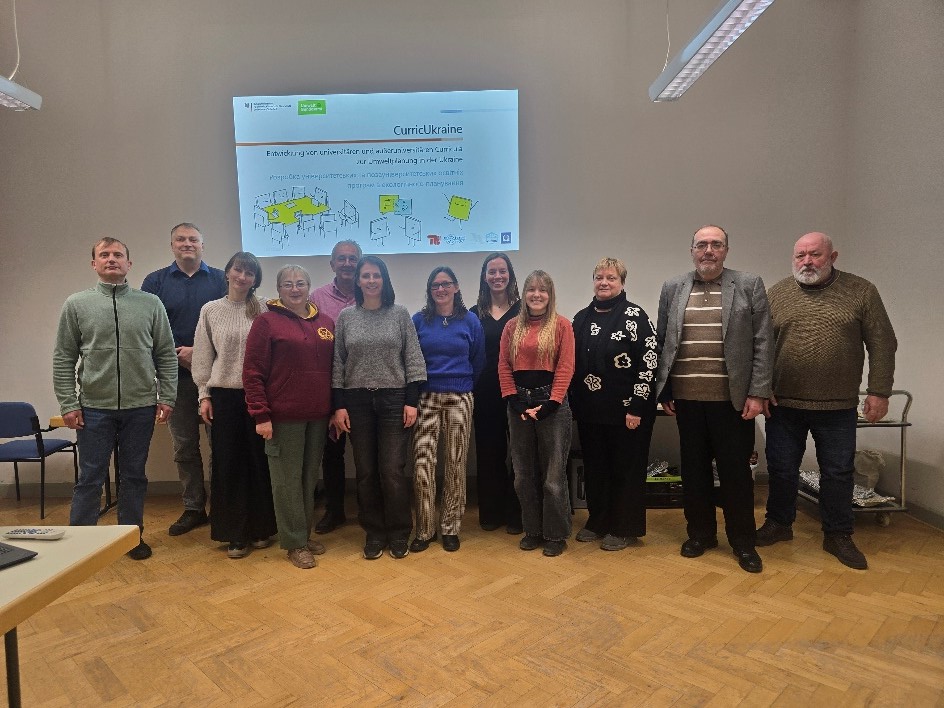
On January 29–30, 2026, in Berlin (Germany), scientists from the Institute of Geography of the NAS of Ukraine – the director of the institution, corresponding member of the NAS of Ukraine Yevheniya Marunyak, deputy director, head of the Department of Social Geography, corresponding member of the NAS of Ukraine Serhiy Lisovskyi, and scientific secretary, candidate of geographical sciences Viktor Chekhniy – participated in the organization and work of seminars on integrating environmental planning into the educational programs of Ukrainian universities.
The topic of environmental planning has been the subject of long-term cooperation between the Institute of Geography of the NAS of Ukraine and the Technical University of Berlin, to which specialists from leading Ukrainian planning organizations (the State Enterprise "Ukrainian State Scientific Research Institute of Urban Design 'DIPROMISTO' named after Yu.M. Bilokon" and LLC "Ukrainian Scientific and Design Institute of Civil Construction" ("UKRNPITSIVILBUD")) and V.N. Karazin Kharkiv National University have also contributed at various times.
Environmental planning is an important component of spatial planning in European Union countries (primarily in Germany), which is gradually finding its place in the planning process in Ukraine as well. This term collectively refers to all planning tools related to spatial planning of the human living environment. Examples include landscape planning; management planning for protected areas; plans provided for by the European Union Water Framework Directive; climate change adaptation concepts; informal plans such as biodiversity strategies, green infrastructure concepts, open space concepts, and others. At the same time, to ensure that planning documents at various levels are of high quality, it is necessary to improve educational processes and raise stakeholder awareness.
During the sessions of the international seminars in Germany, Ukrainian participants gave presentations on examples of including environmental planning modules in lecture materials aimed at both students and professionals. Issues highlighted included the interaction between society and nature, climate change, biodiversity conservation and development of natural reserve territories, the application of geoinformation technologies, and approaches to developing comprehensive spatial development plans.
German colleagues proposed further improvements based on the practices and legislation of European Union countries, as well as on the experience of interactive teaching.
Among other things, participants discussed the key module on environmental planning, its content and focus of individual sections, as well as a glossary intended to provide interested parties with information on basic concepts in ecology and territorial planning. Additionally, attention was given to assessing the condition of Ukrainian territories affected by Russia’s war against our country, as well as searching for solutions and measures to overcome its consequences.
The results obtained are intended to become the foundation for organizing the planning process in the context of Ukraine’s recovery and its European integration.
According to information from the Institute of Geography of the NAS of Ukraine