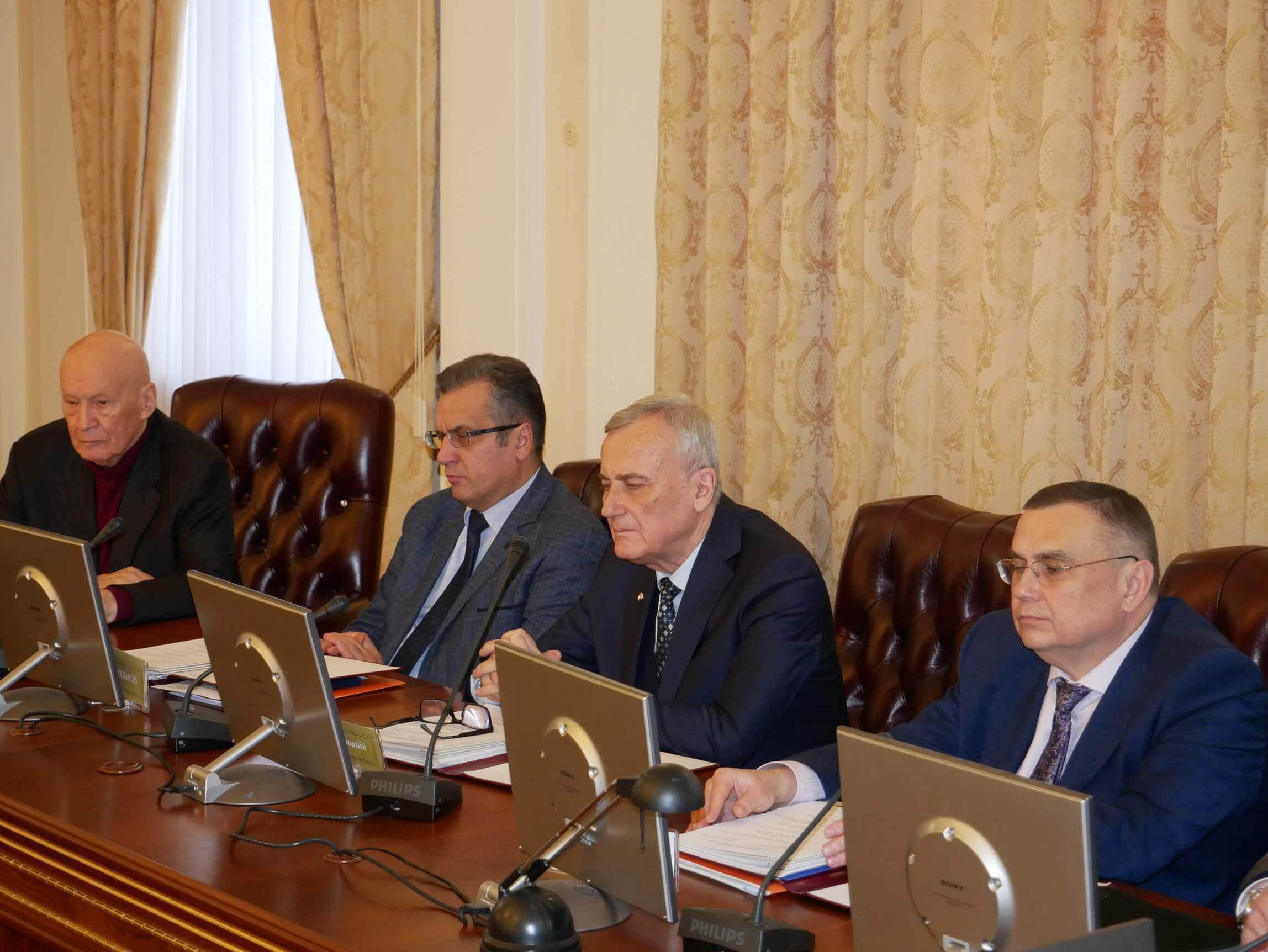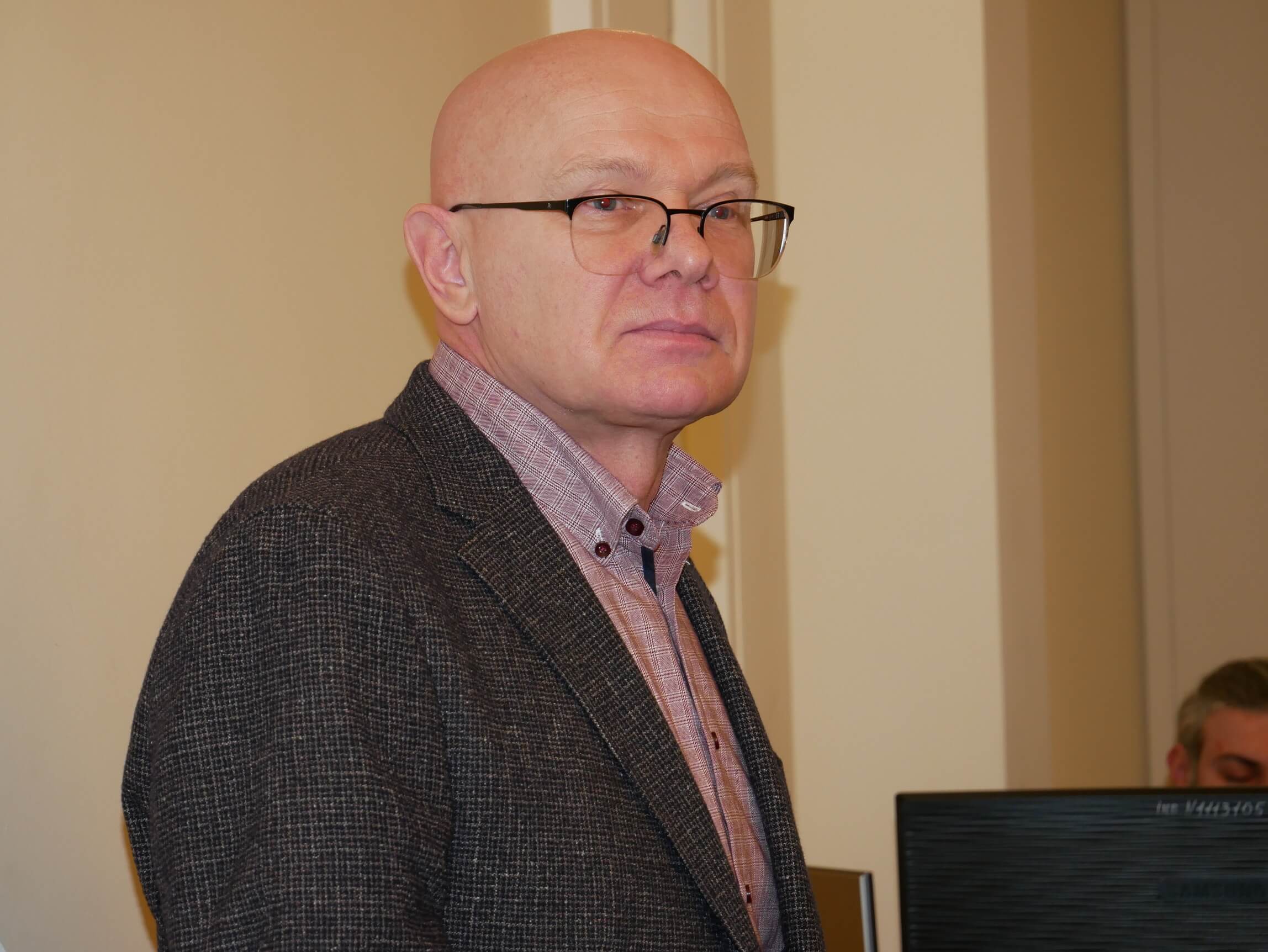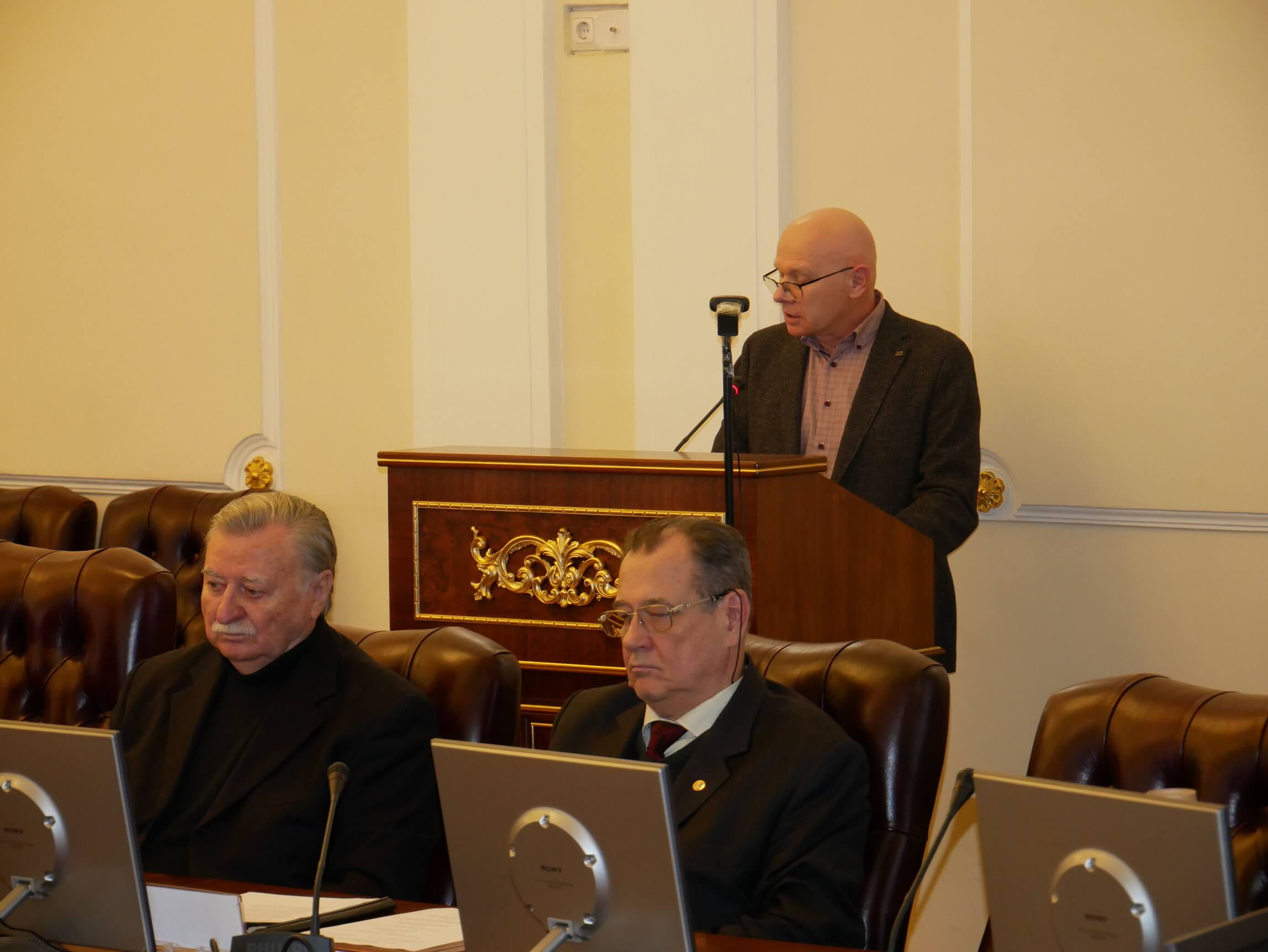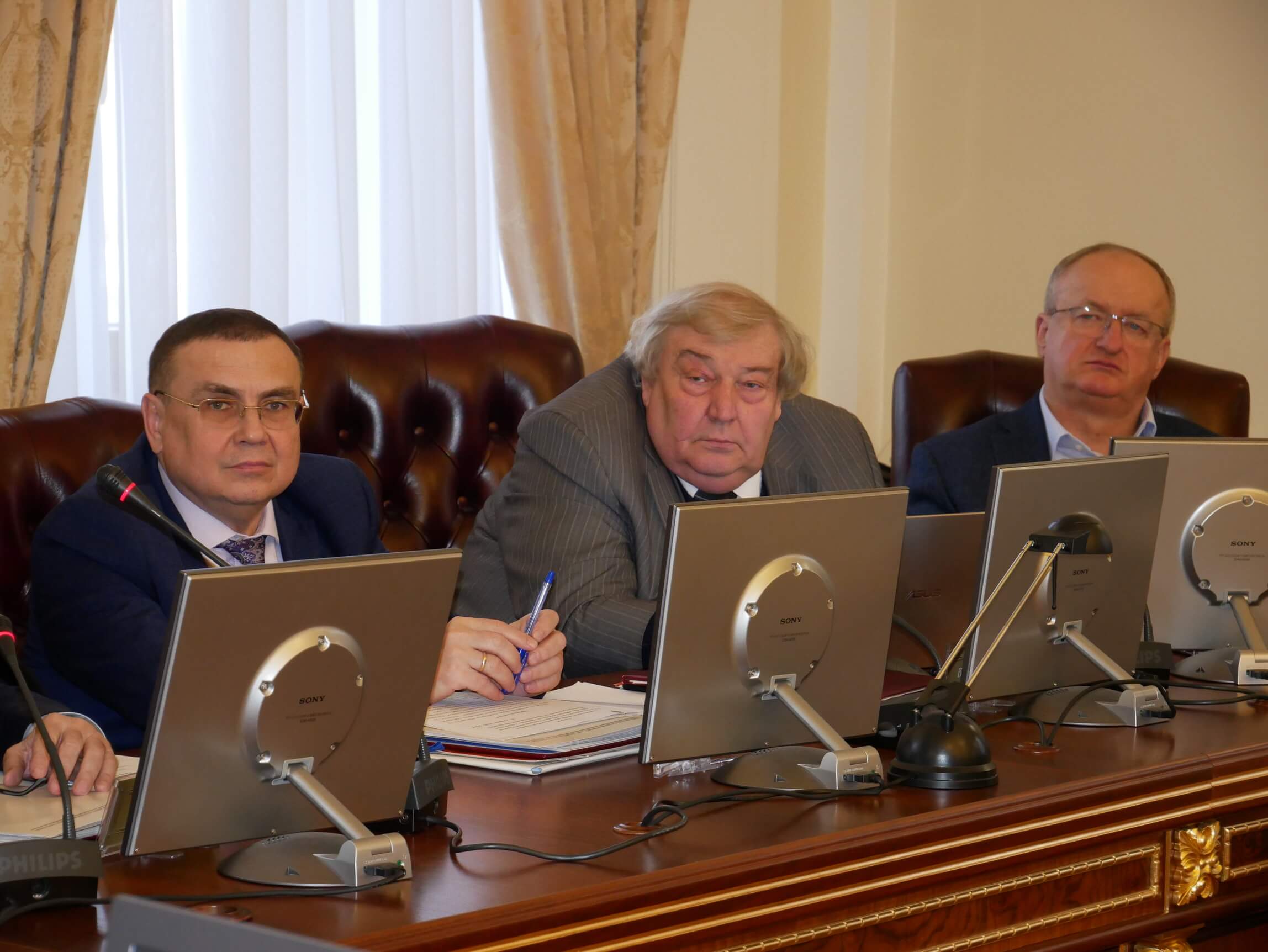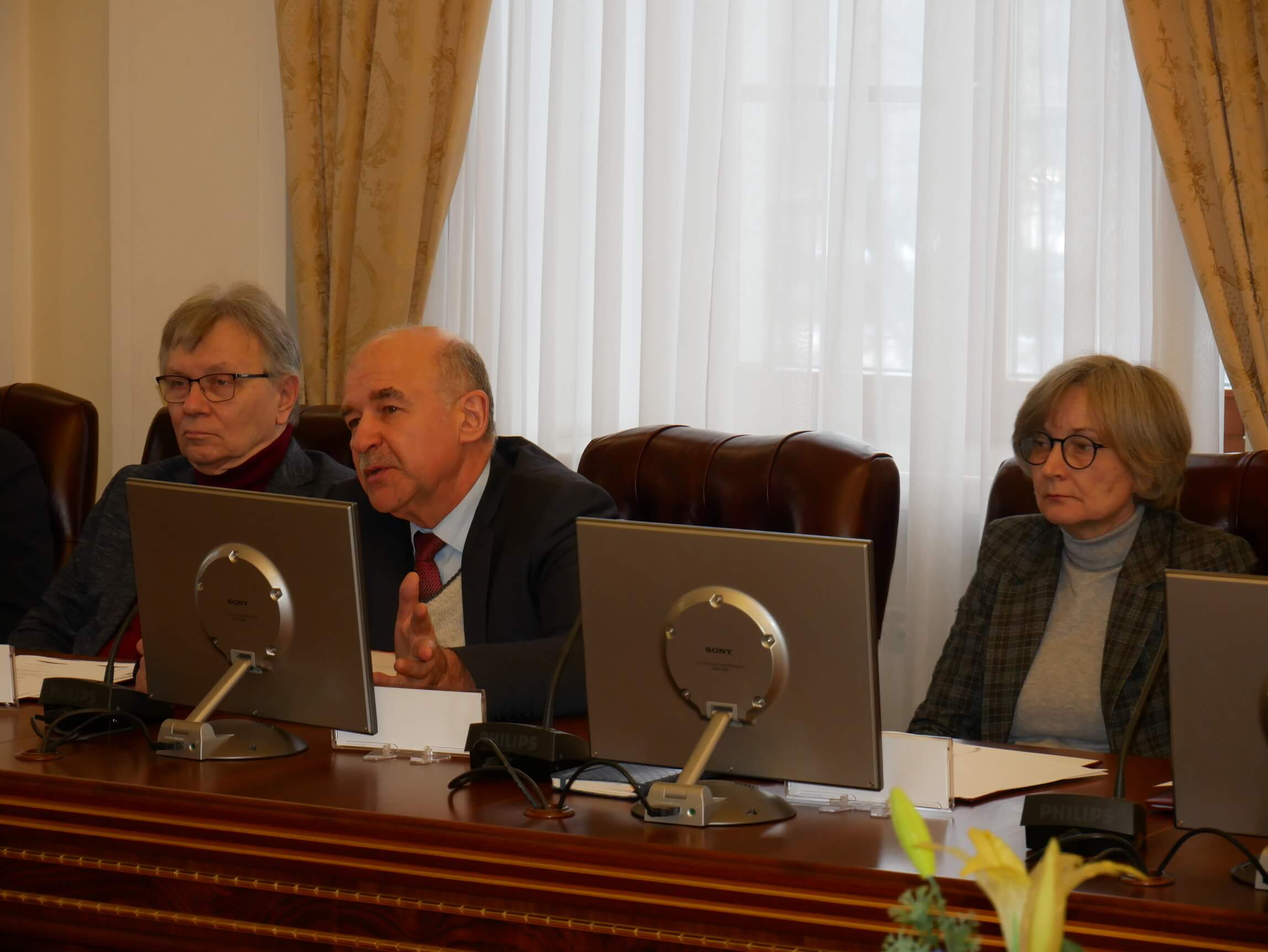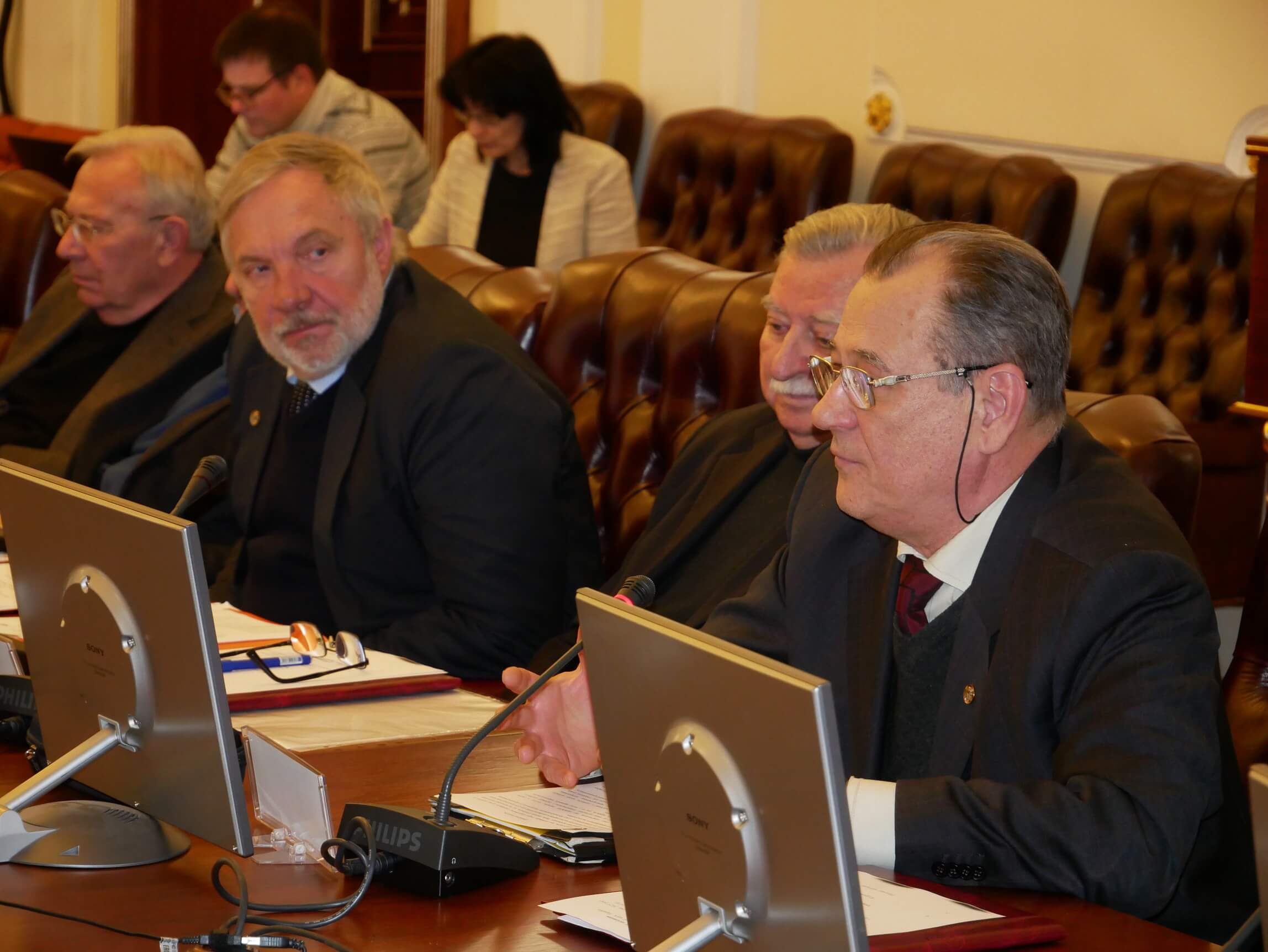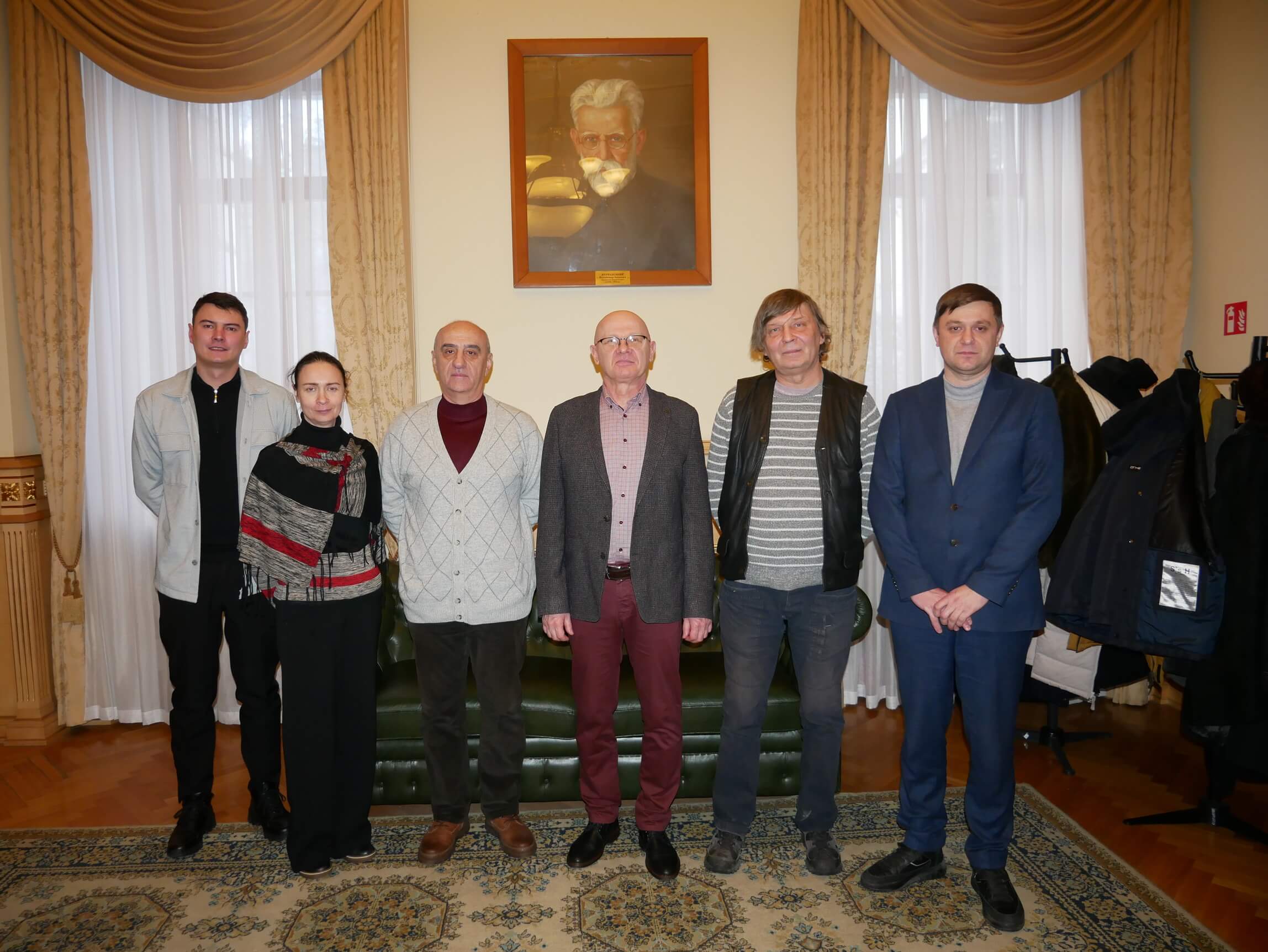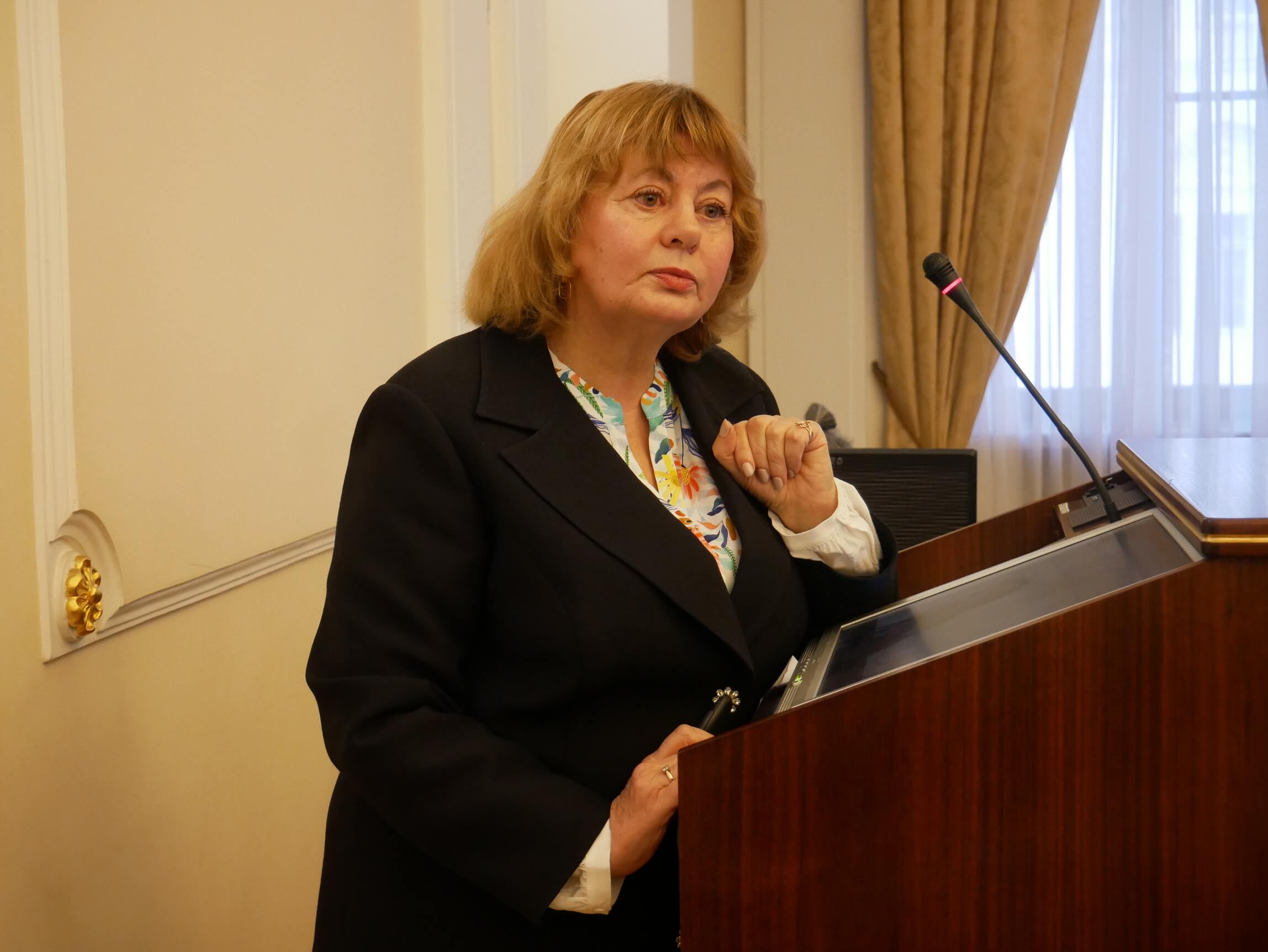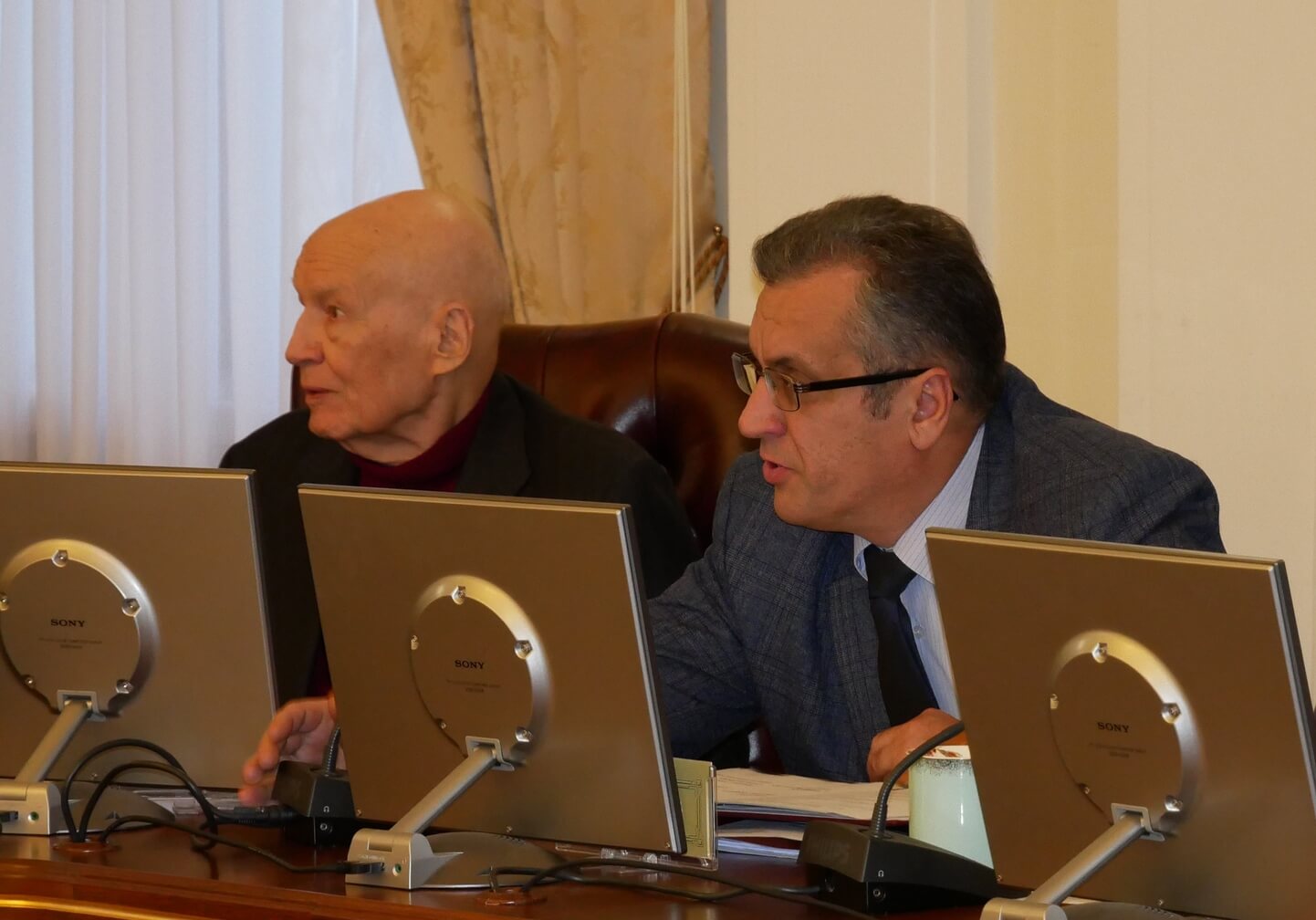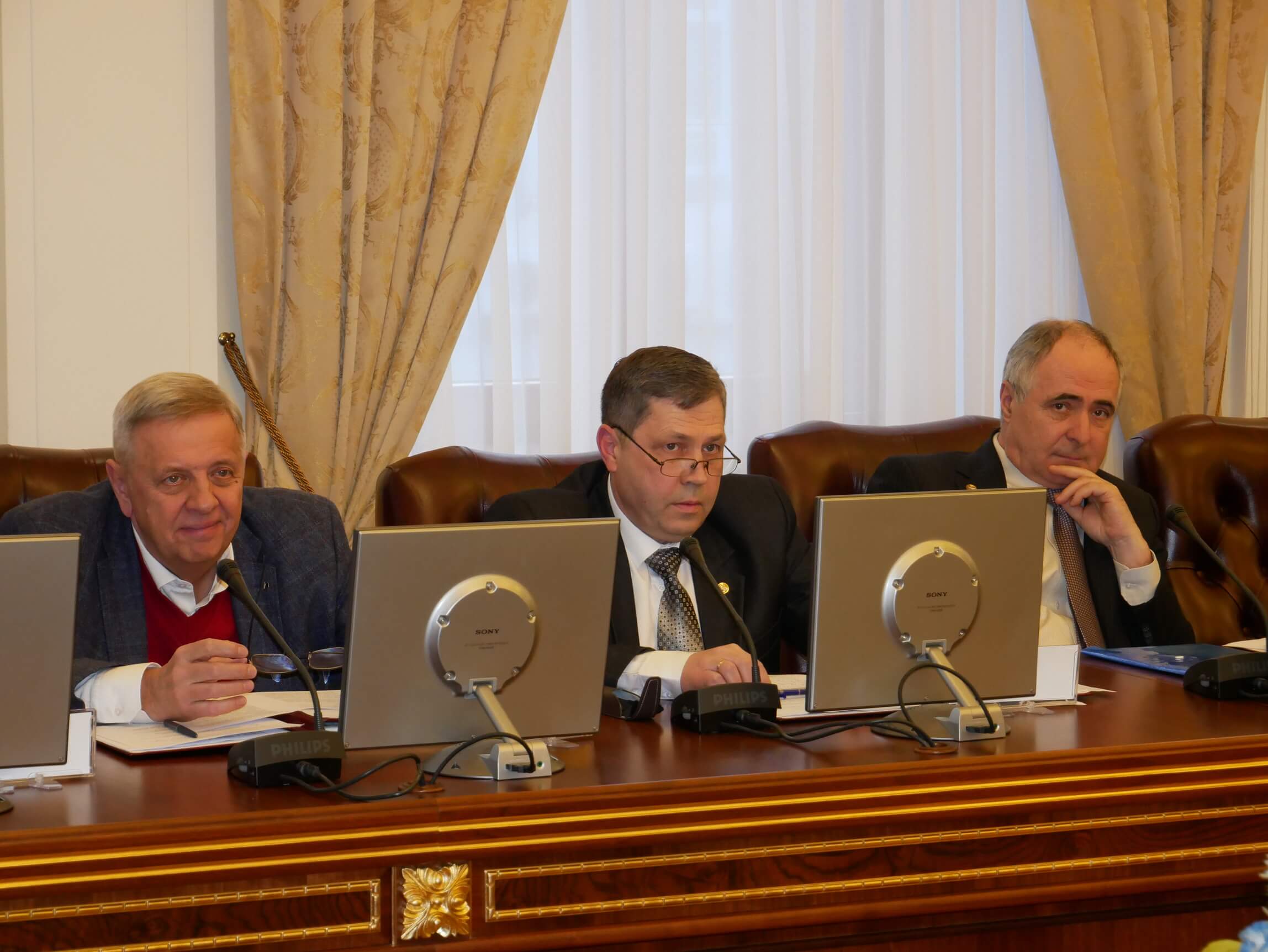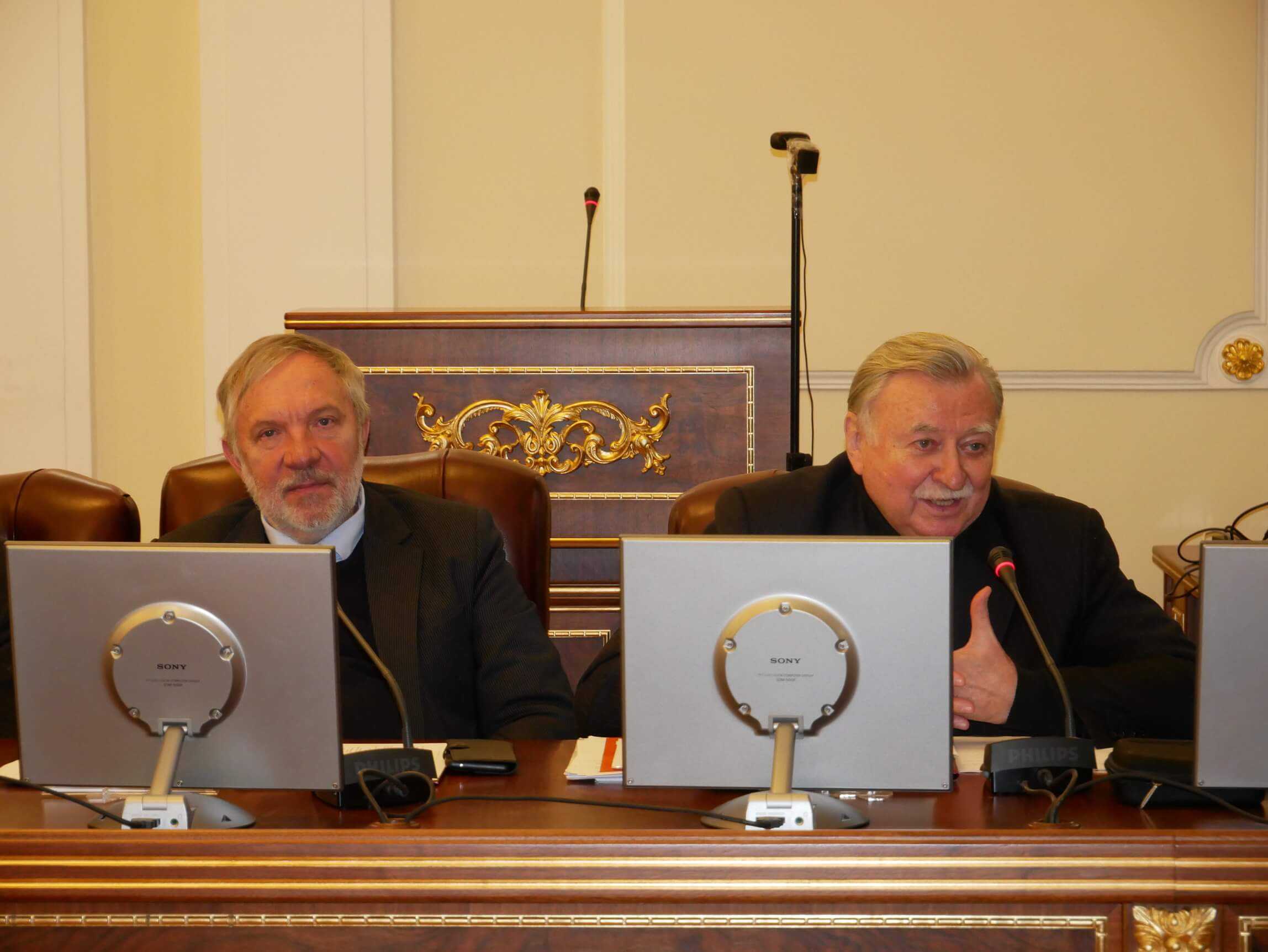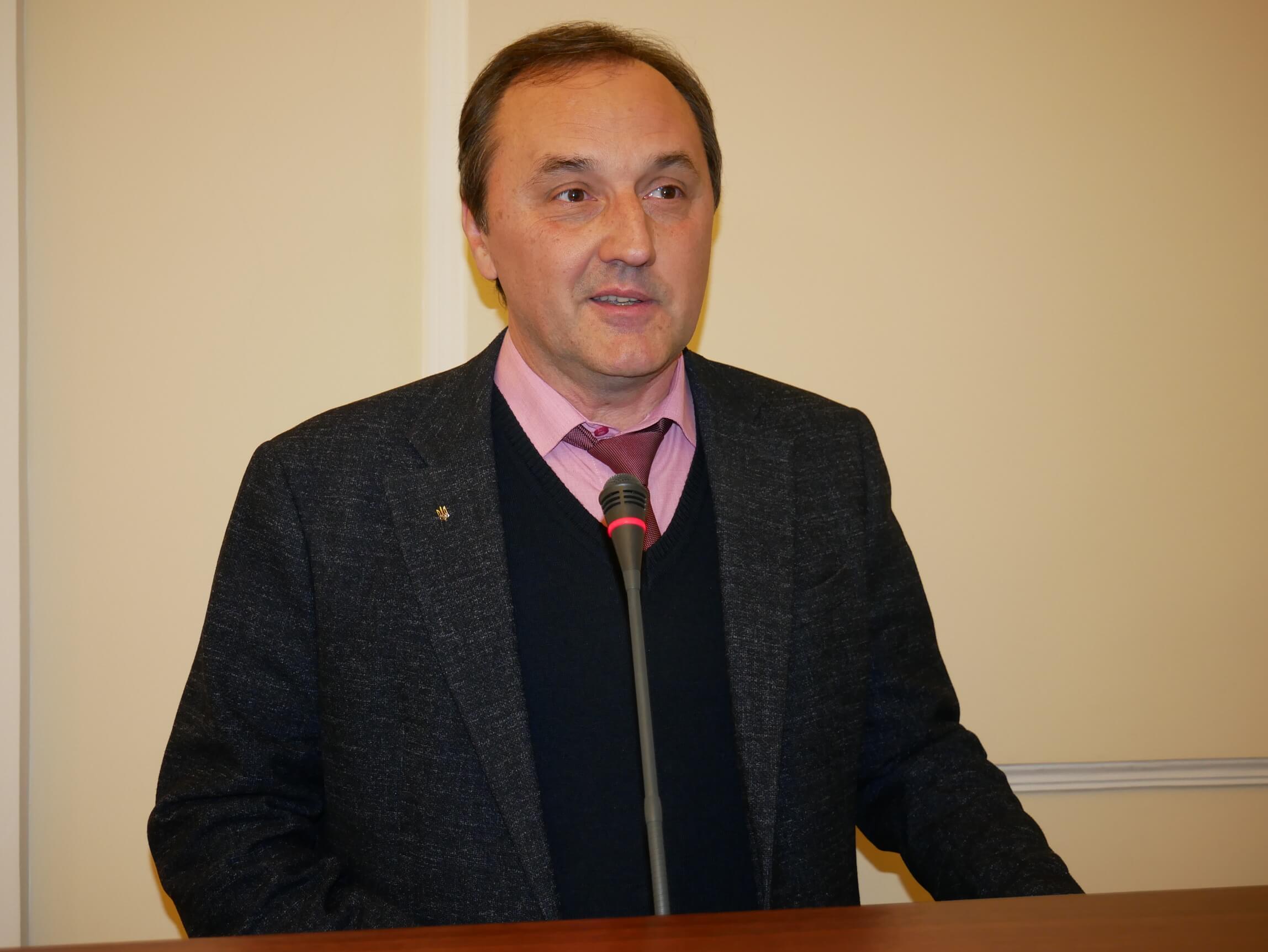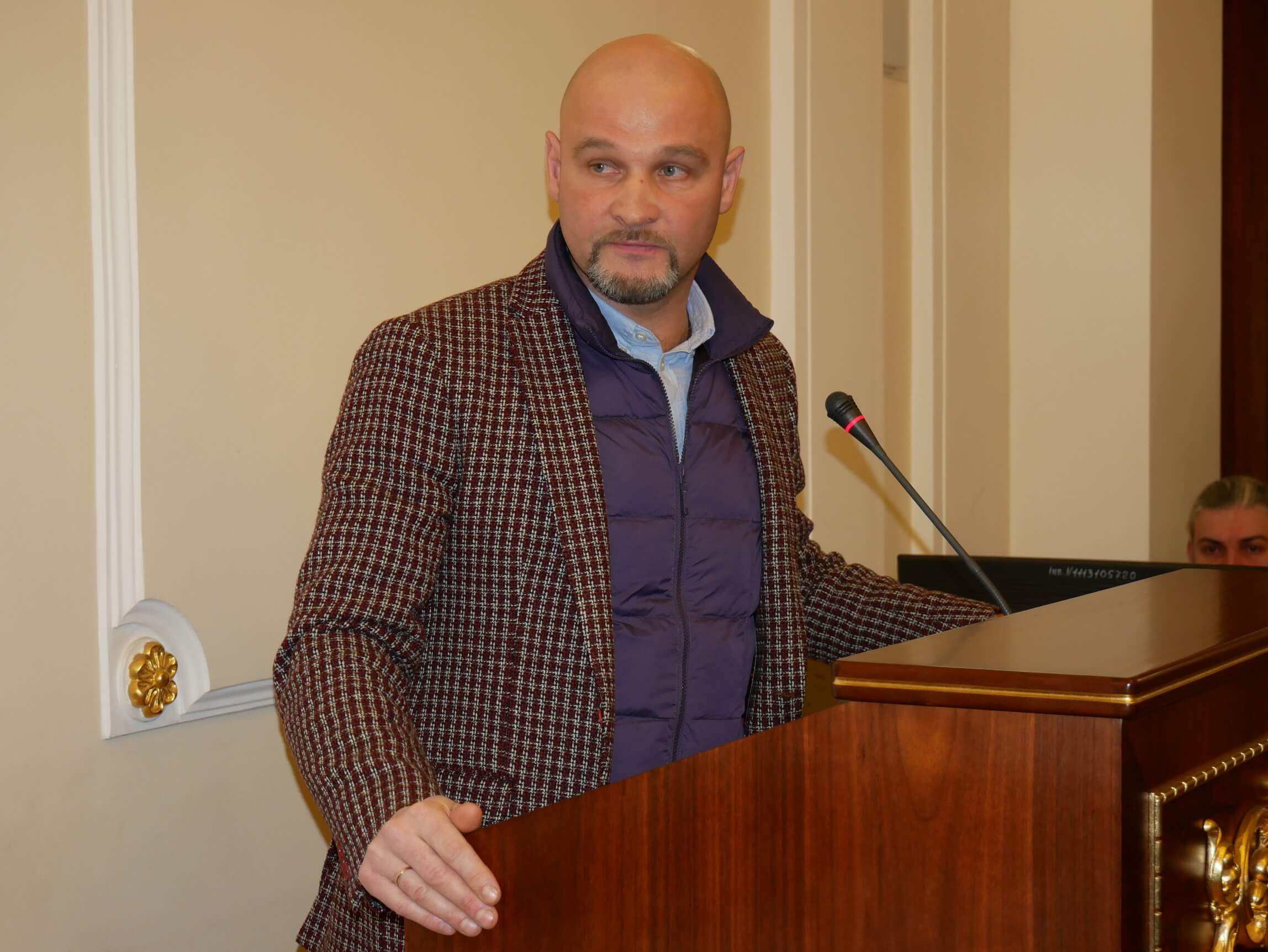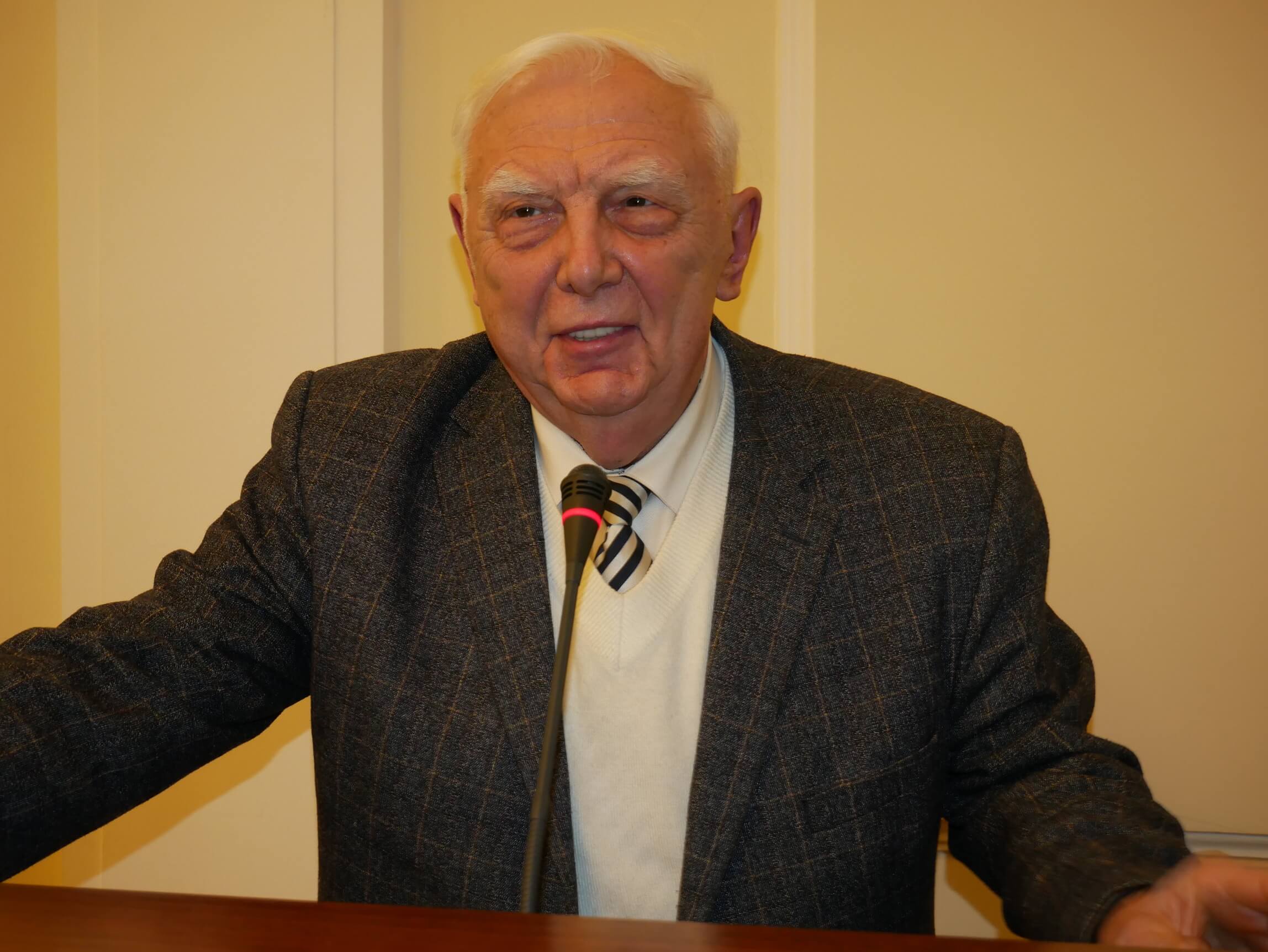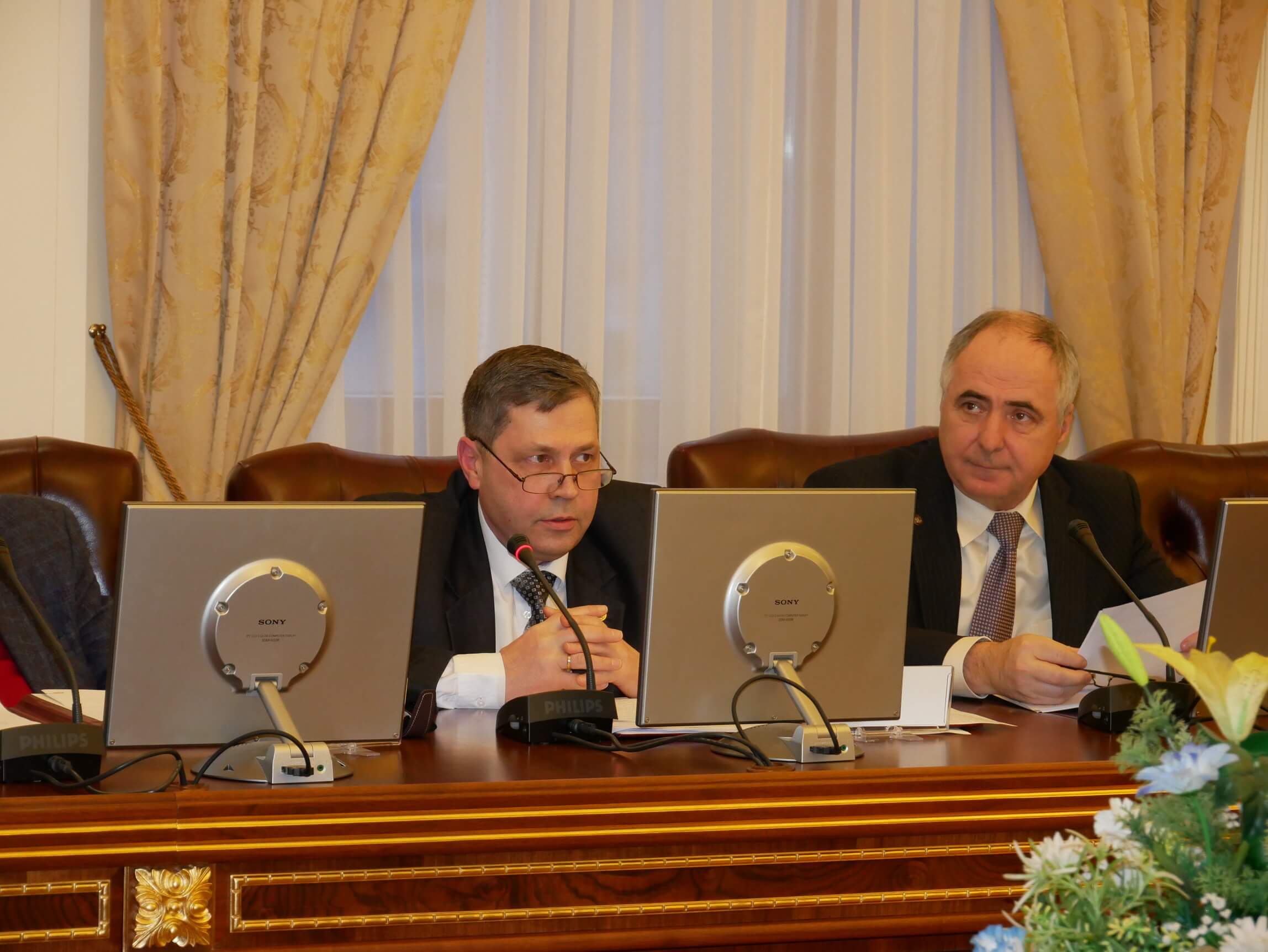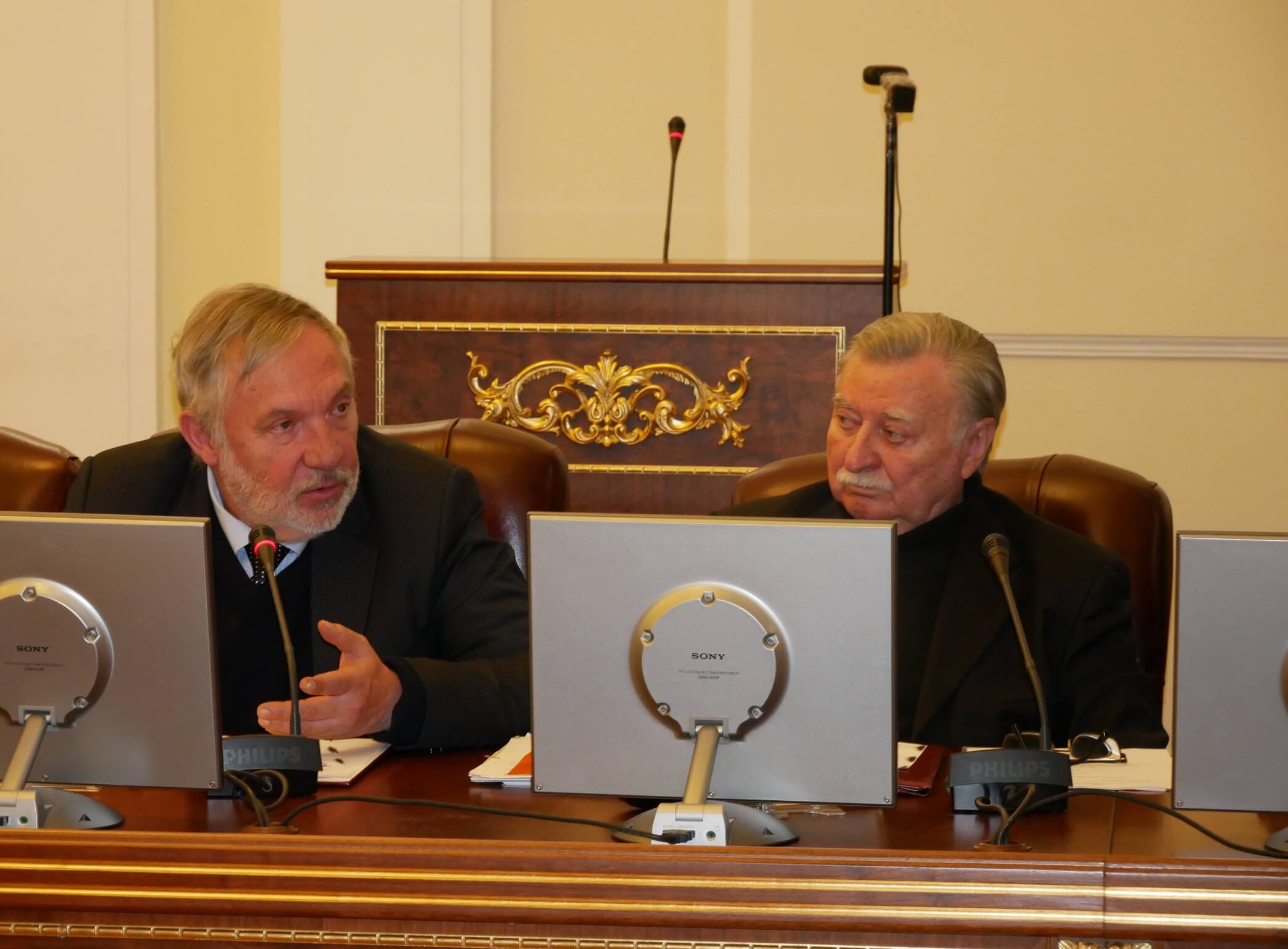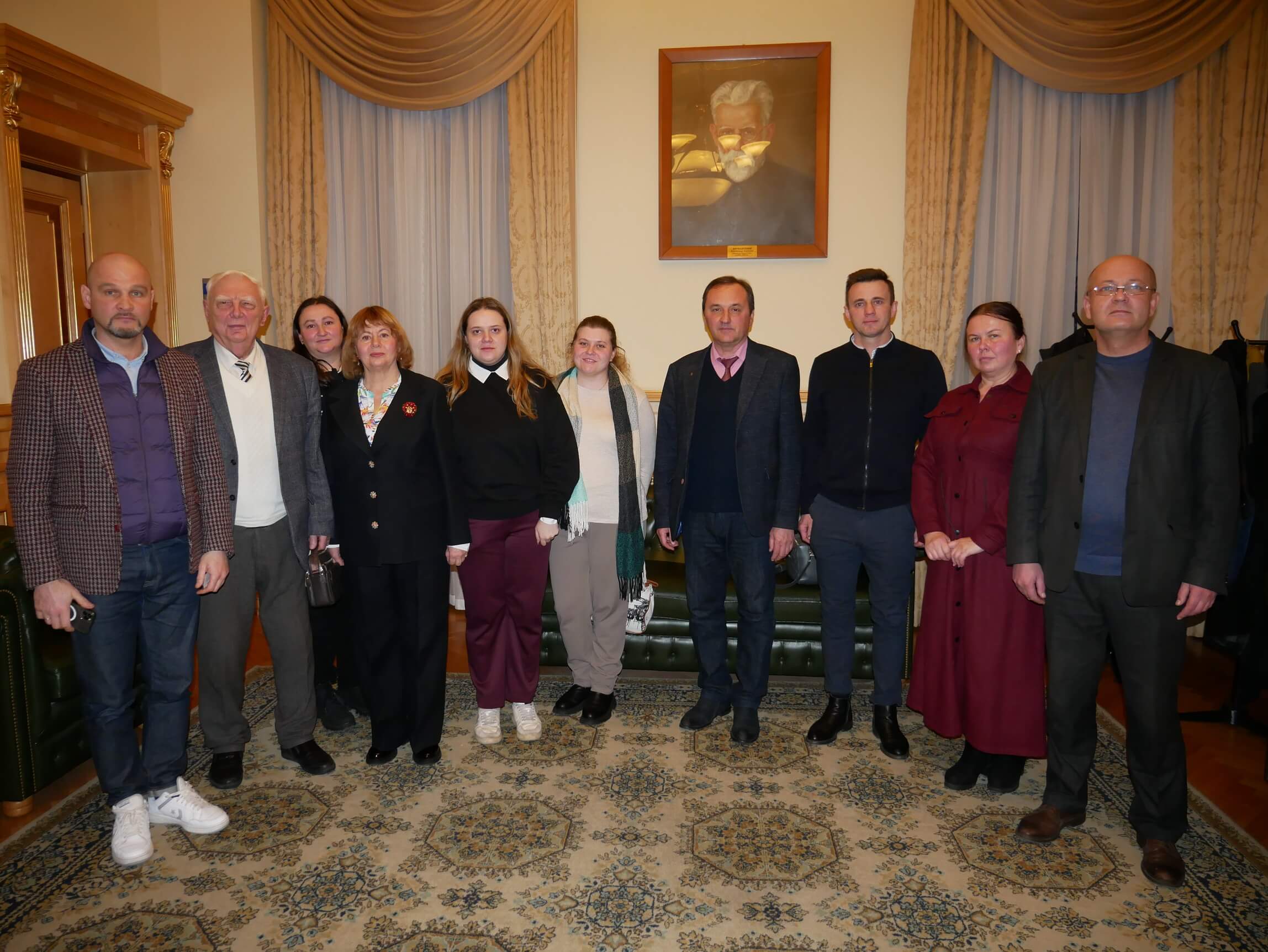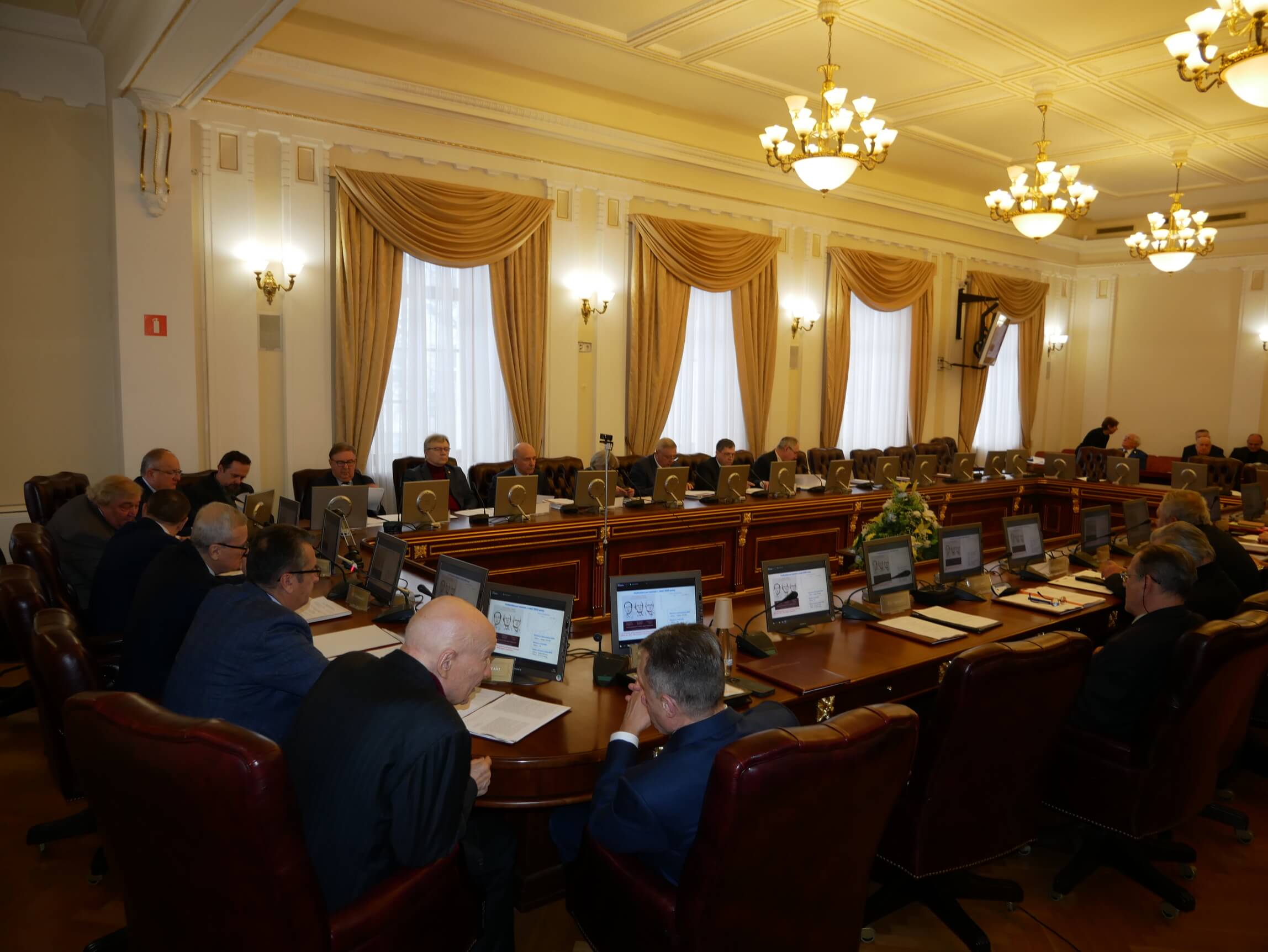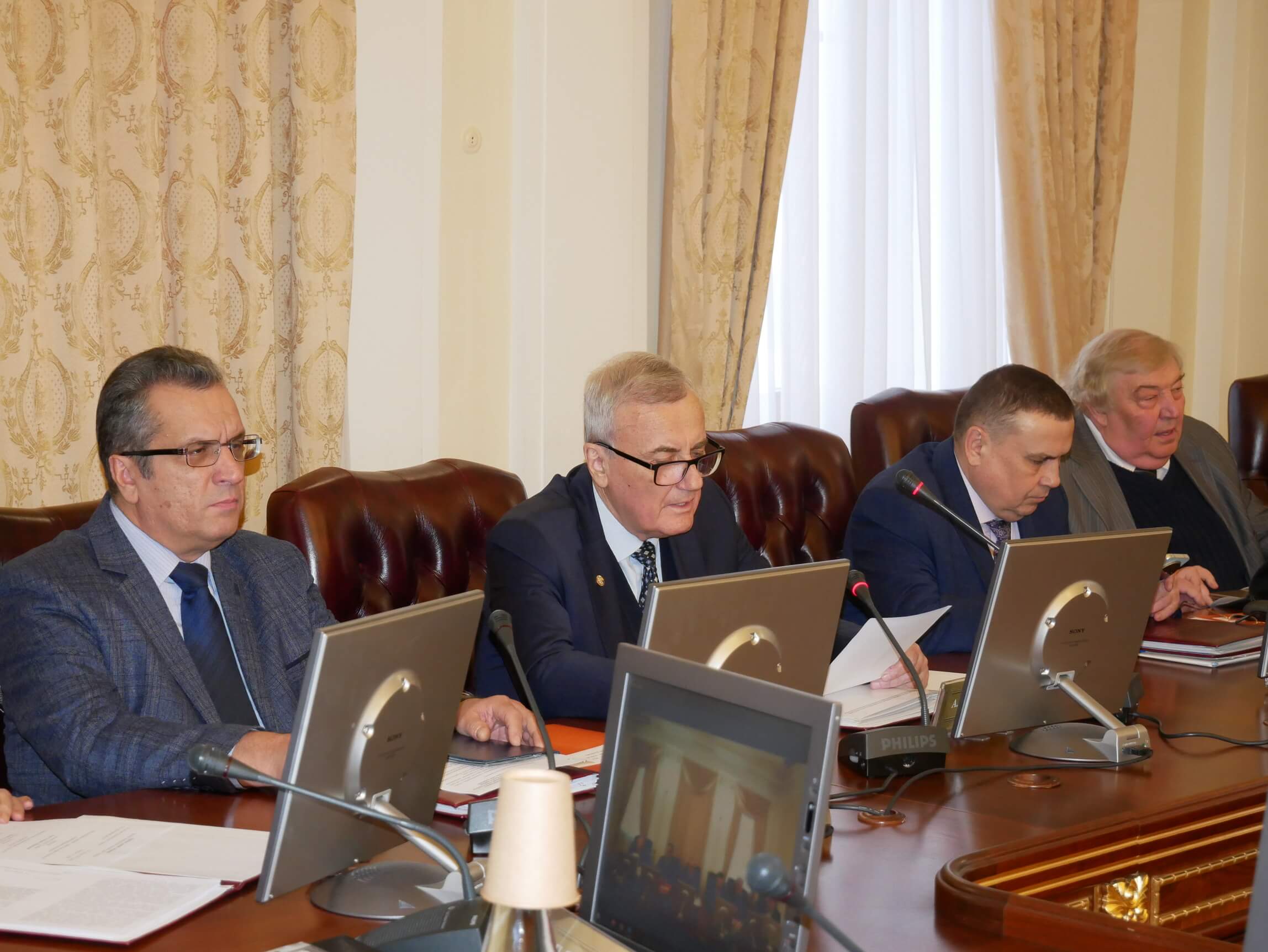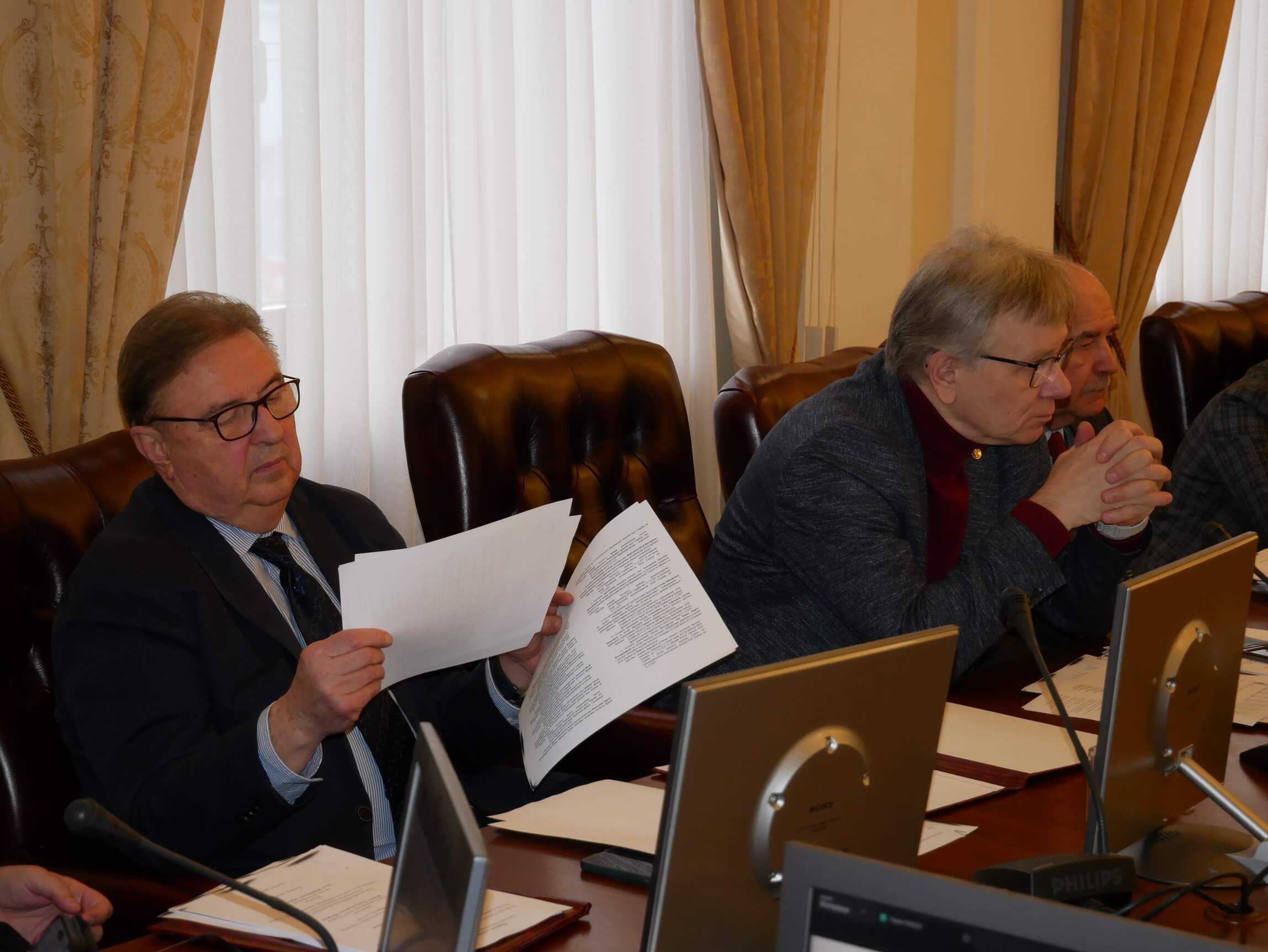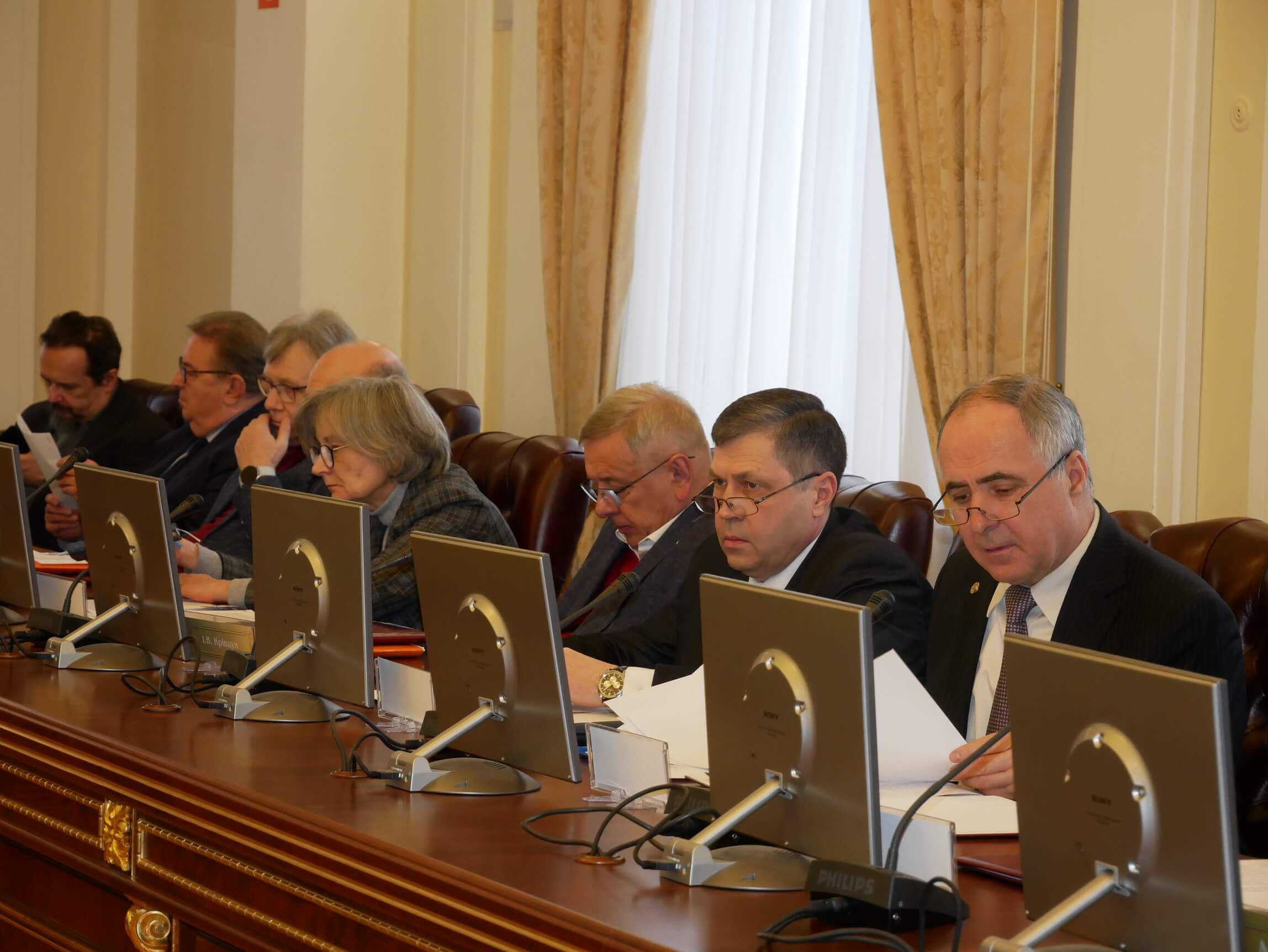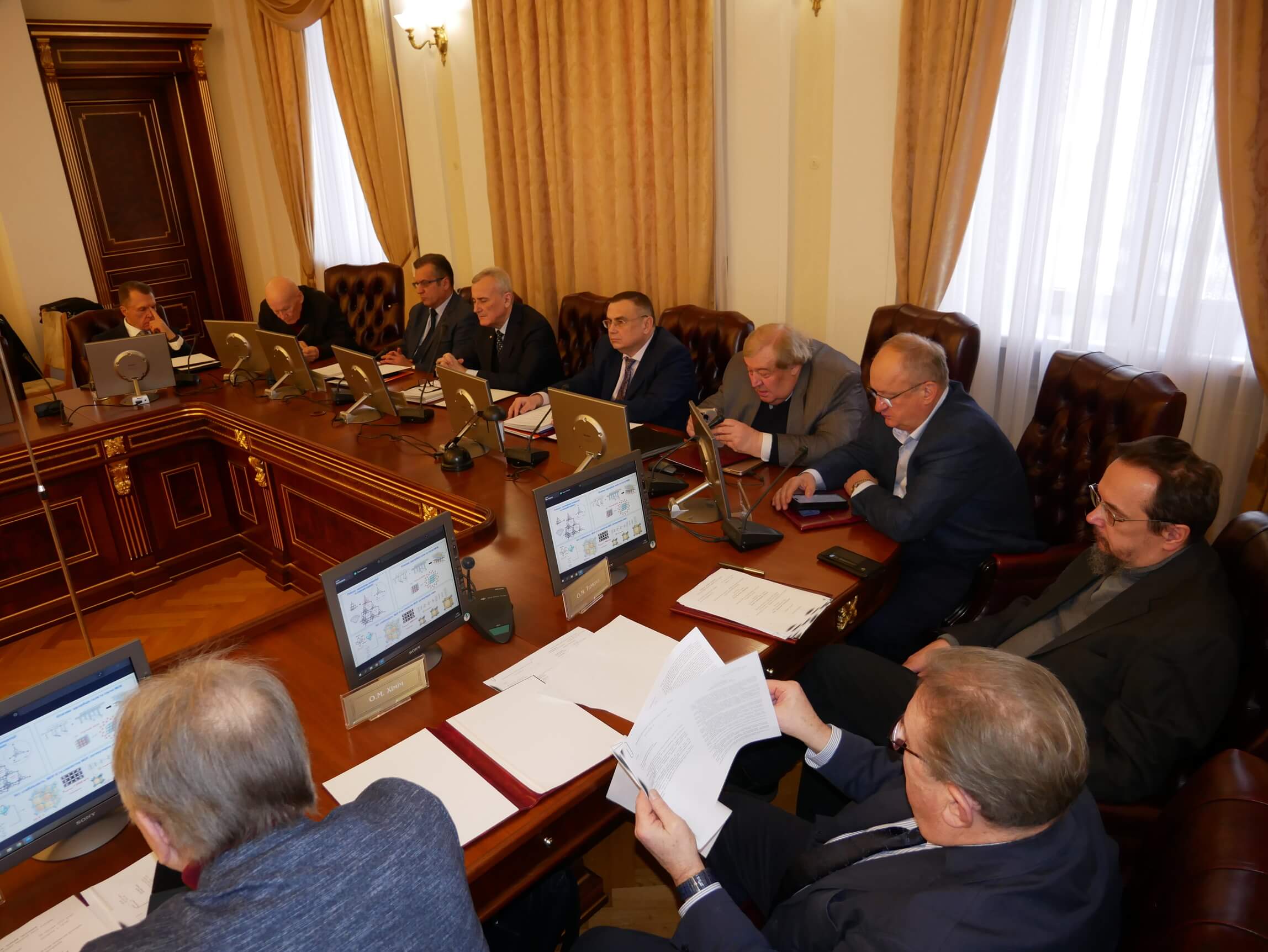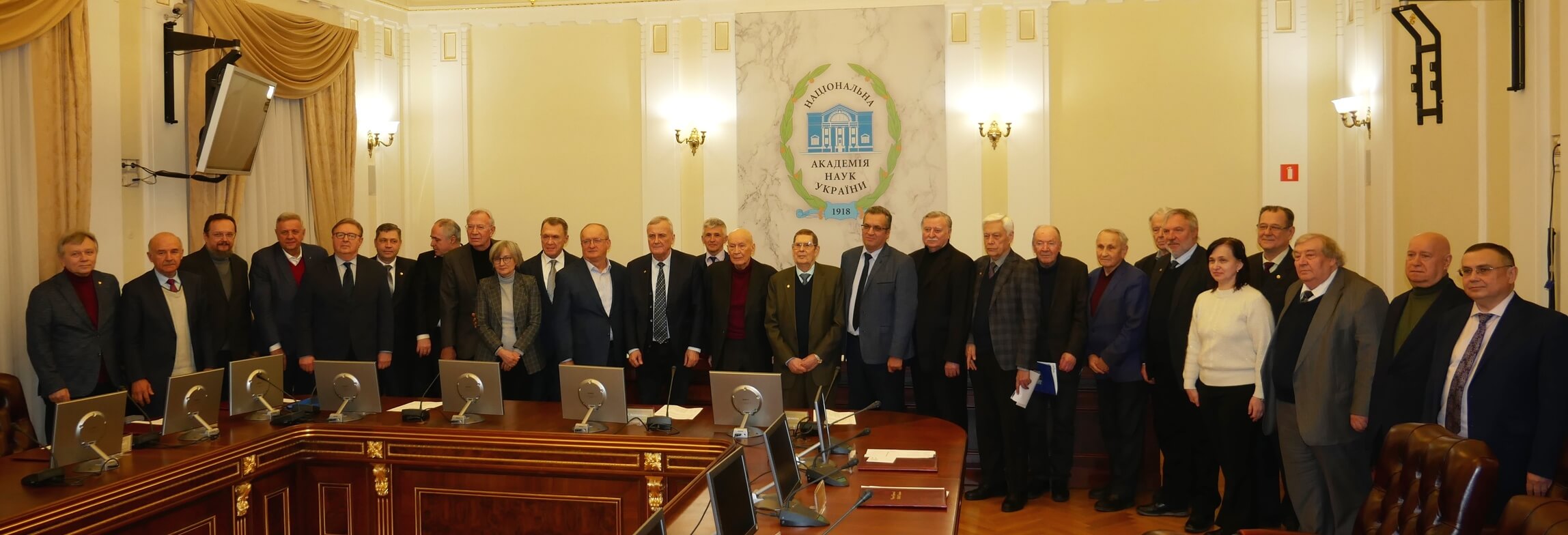
On December 30, 2025, under the chairmanship of the President of the National Academy of Sciences of Ukraine, academician of the NAS of Ukraine Anatoliy Zahorodniy, the next meeting of the Presidium of the NAS of Ukraine took place.
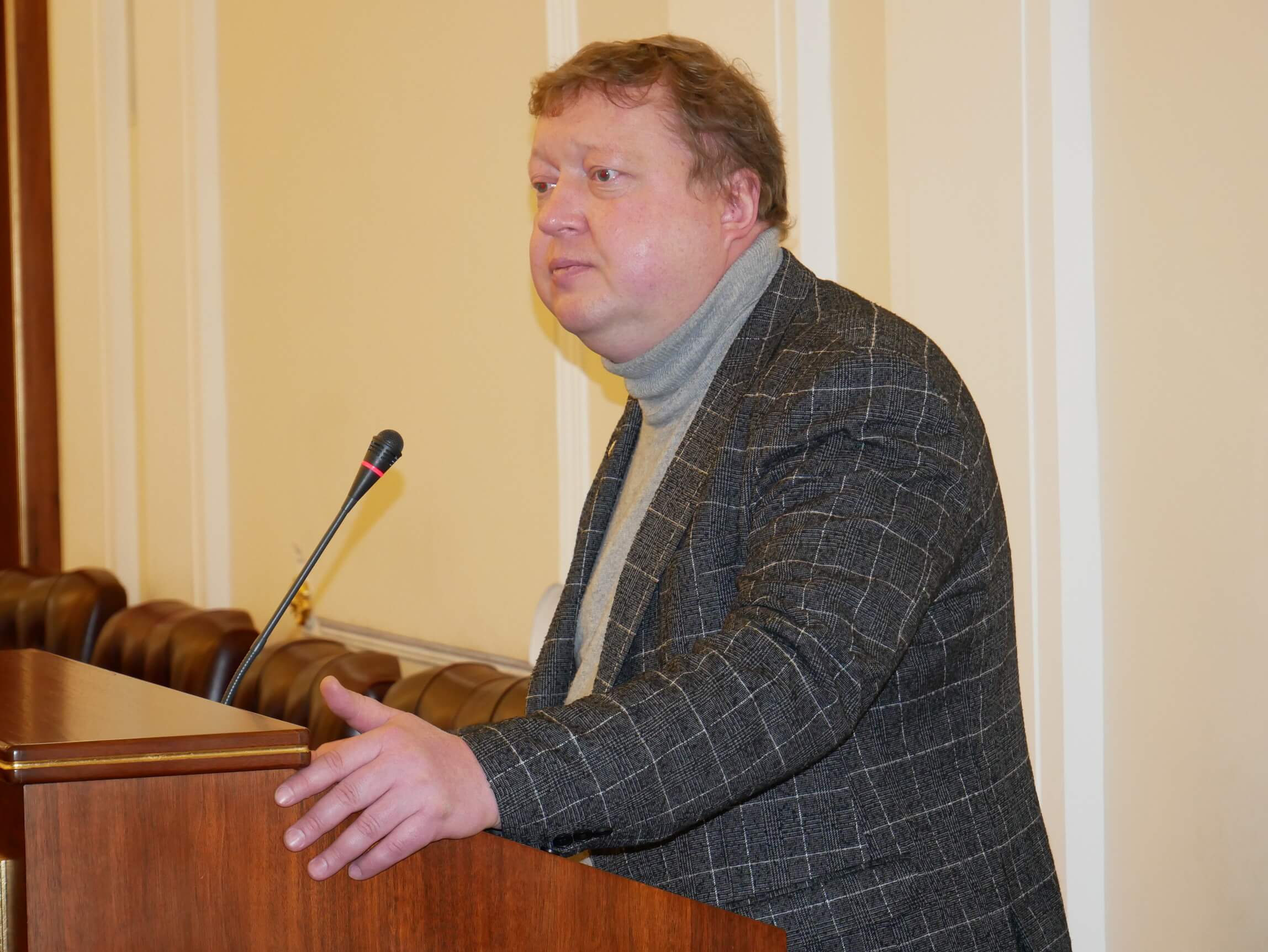
With a scientific report titled "Metal-Organic Frameworks – a New Class of Porous Substances and Functional Materials", the head of the Department of Physical Chemistry at Taras Shevchenko National University of Kyiv, academician of the NAS of Ukraine Ihor Frytskyi spoke. This is a highly relevant field to which Ukrainian scientific schools have made a significant contribution.
Metal-organic frameworks (MOFs) represent an innovative class of crystalline compounds with controlled porosity and the ability for selective interaction with chemical substrates, providing their broad potential in creating new functional materials. The strategic importance of this field is evidenced by the awarding of the 2025 Nobel Prize in Chemistry. Global market forecasts for MOF production indicate steady growth to $1.5–2.5 billion by 2030.
In Ukraine, research on MOFs has been developing since the very inception of this field worldwide and is associated with the scientific schools of coordination chemistry of academicians Kostyantyn Yatsymyrskyi and Viktor Skopenko. Leading centers of such research are the L.V. Pisarzhevsky Institute of Physical Chemistry of the NAS of Ukraine and Taras Shevchenko National University of Kyiv.
At the L.V. Pisarzhevsky Institute of Physical Chemistry of the NAS of Ukraine, under the leadership of academician of the NAS of Ukraine Vitaliy Pavlishchuk, corresponding members of the NAS of Ukraine Yaroslav Lampeka and Serhiy Kolotilov, a number of innovative approaches have been developed for creating promising functional MOFs with controlled porosity and selectivity. It has been shown that structural modification of macrocyclic complexes and aromatic carboxylates provides predictable sorption, sensory, and catalytic properties.
Porous luminescent MOFs capable of selective "quenching" of emission upon contact with certain organic substances have been created, opening prospects for developing highly sensitive sensors. Significant attention has been paid to the catalytic properties of tricarboxylate-type MOFs, for which a correlation between pore accessibility, sorption capacity, and activity in condensation and oxidation reactions of organic substrates has been established. Catalytic studies of the HKUST-1 series MOFs revealed their high activity in condensation processes of aromatic aldehydes with nitromethane.
At Taras Shevchenko National University of Kyiv, under the guidance of academician of the NAS of Ukraine Ihor Frytskyi and Doctor of Chemical Sciences Kostyantyn Domasevych, new types of functional MOFs have been developed that provide controlled sorption, optical, sensory properties, and the possibility of catalytic transformations of small molecules. Families of MOFs based on bispyrazole and triazole ligands have been created, in which targeted modification of functional groups can ensure high selectivity of carbon dioxide sorption, which is promising for technologies for removal and concentration of CO₂ from industrial emissions, natural gas purification, and other low-carbon technologies.
Catalytically active hybrid materials based on zinc, cobalt, and molybdenum have been identified, demonstrating high efficiency in epoxidation of olefins and oxidation of organic compounds. High thermal stability and micro-/mesoporous structure (specific surface area up to 900 m²·g⁻¹) make them attractive for use in sorption technologies and "green" chemistry.
In cooperation with the L.V. Pisarzhevsky Institute of Physical Chemistry of the NAS of Ukraine, the possibility of using metallocrowns for constructing porous MOFs capable of selective sorption, including of alcohols, has been demonstrated for the first time in the world. Based on these studies, the concept of cooperativity of sorption in MOFs was proposed for the first time, which is now actively used in other Ukrainian and foreign scientific laboratories.
Systematic studies of MOFs based on iron (II) polycyanometalates, which exhibit spin transitions, have made it possible to establish a number of unique patterns, including: the influence of guest molecules on the hysteresis of the spin transition, dependence of the transition temperature on the volume of included aromatic molecules, and manifestation of an enantioselective guest effect, opening possibilities for detecting chiral compounds. Based on such MOFs, technologies for creating thermochromic materials for temperature control over a wide range, thermochromic labels with temperature memory suitable for marking food packaging and pharmaceuticals, as well as for protecting securities, have been developed.
Promising directions for further development and application of research results by scientific groups of NAS of Ukraine institutions and higher education establishments working in this field include creating highly selective sensor systems for detecting toxic substances and micropollutants, developing specialized catalysts and sorbents with specified selectivity, advancing technological approaches to selective CO₂ capture and water purification, as well as exploring the possibilities of biomedical applications of MOFs as contrast agents, drug delivery platforms, biosensors, and use of MOFs in modern energy technologies.
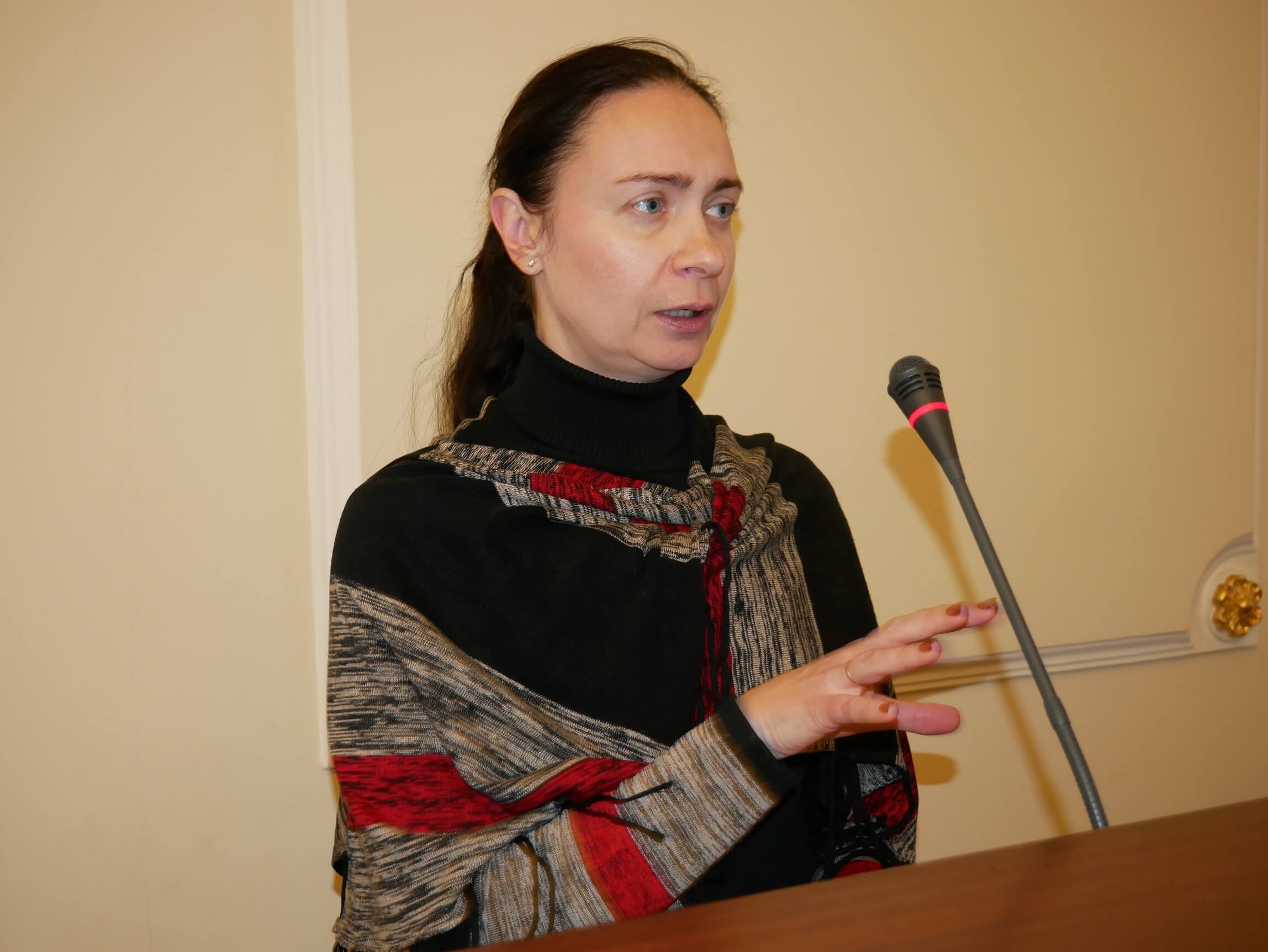
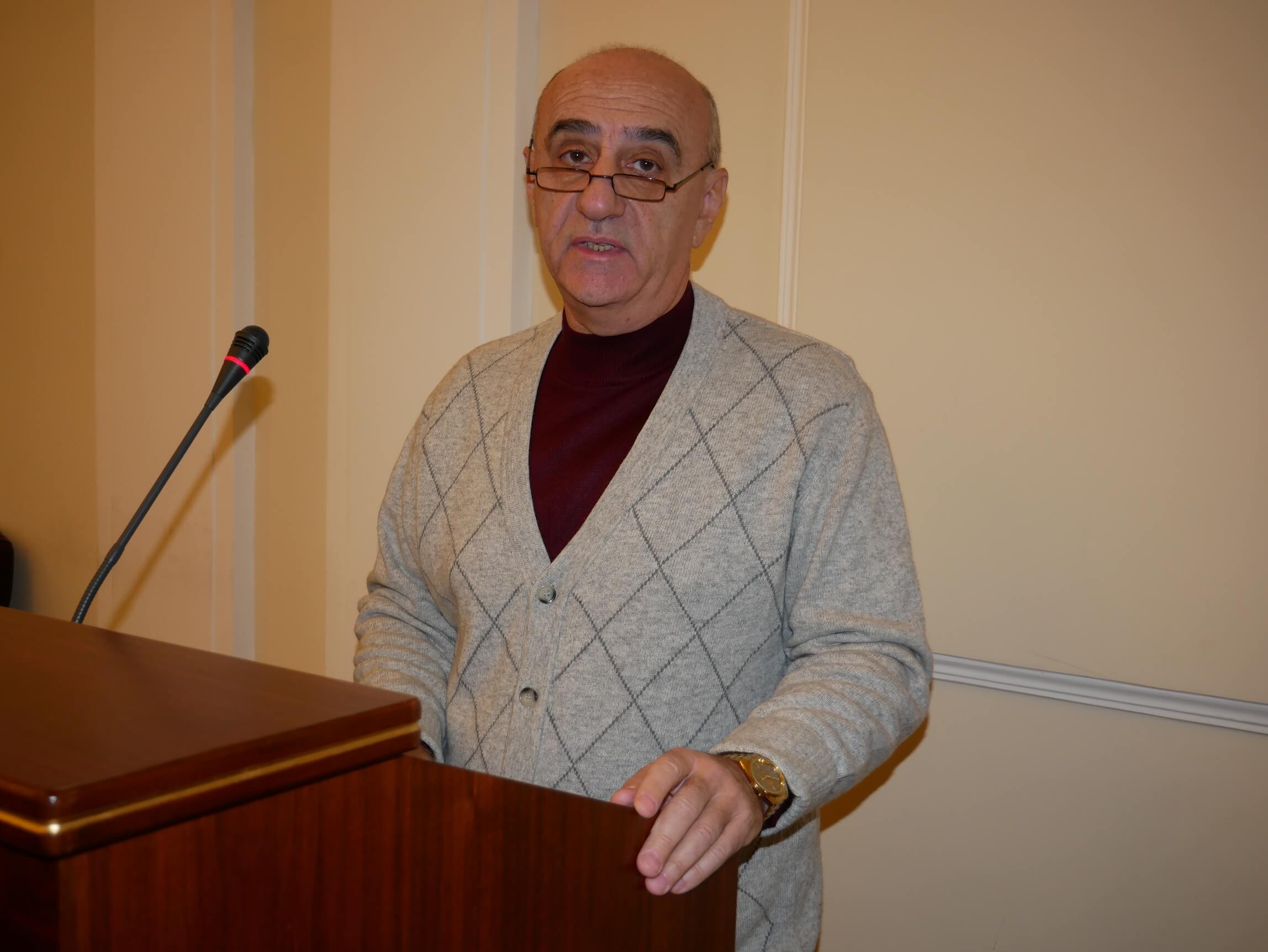
In the discussion of this report, the following spoke: Deputy Director for Scientific Work of the L.V. Pisarzhevsky Institute of Physical Chemistry of the NAS of Ukraine, corresponding member of the NAS of Ukraine Serhiy Kolotilov, Professor of the Department of Supramolecular Chemistry at the Institute of High Technologies of Taras Shevchenko National University of Kyiv, Doctor of Chemical Sciences Valeriya Makhan’kova, Director of LLC "Center for Innovative Development 'ABN'" Oleksandr Blinder, and academician-secretary of the Chemistry Department of the NAS of Ukraine, academician of the NAS of Ukraine Petro Stryzhak.
"Ihor Olehovič’s report made a very coherent and at the same time dynamic impression," noted, in particular, academician of the NAS of Ukraine Petro Stryzhak. "It clearly showed how, in a relatively short historical time, metal-organic frameworks have evolved from a purely crystallochemical curiosity into a full-fledged class of functional materials with prospects for wide practical application.
It is especially important to emphasize that Ukrainian scientific schools in the field of coordination chemistry have not only organically integrated into the global context of metal-organic framework development but have also, in several cases, proposed original conceptual approaches.
The obtained applied results related to sorption of small molecules, sensing, catalytic processes, and thermochromic materials convincingly prove that MOFs can become the basis for creating a number of promising competitive technologies—in the chemical industry, in safety and quality control elements, and in the environmental sphere.
In this context, the report, without exaggeration, outlines a roadmap for further development of the field: from deepening fundamental understanding to scaling results and interdisciplinary cooperation. I am confident that with proper support, this field can become one of the hallmarks of Ukrainian chemical science in the world."
The consideration of this issue was summarized by the President of the NAS of Ukraine, academician of the NAS of Ukraine Anatoliy Zahorodniy: "The report by Ihor Olehovič Frytskyi and the speeches in the discussion confirmed the importance of the obtained results and the significant interest of the scientific community in metal-organic frameworks, which are crystalline compounds with great potential for creating new functional materials. As noted in the report, the strategic significance of this field is confirmed by this year's results of the Nobel Prize in Chemistry, awarded for the development of metal-organic frameworks.
Ihor Olehovič’s report outlined the applied potential of metal-organic frameworks in the fields of selective sorption of small molecules, creation of pollution detectors, industrial catalysts, and thermochromic materials. The priority of Ukrainian scientists' research in certain areas was demonstrated, in particular in creating the concept of cooperativity of sorption in metal-organic frameworks, which is now actively applied in leading scientific laboratories.
I believe that in the future it is advisable to identify the most promising research directions and focus on obtaining even more significant applied results, as well as to try to expand cooperation with scientific centers and enterprises interested in implementing materials created based on metal-organic frameworks."
Next, the report "Use of Thermal Energy Technologies in the Agricultural Sector" was presented by corresponding member of the NAS of Ukraine Zhanna Petrova, chief research fellow of the Institute of Technical Thermophysics of the NAS of Ukraine, where relevant and practically significant scientific research is carried out aimed at solving important scientific and technical problems related to the development and large-scale implementation of modern energy-efficient thermal technologies that reduce energy consumption, contribute to reducing the carbon footprint, and achieving sustainable development goals.
One of the global problems today is saving energy resources, involving unconventional energy sources in their production, developing and implementing energy-saving technologies. An important stage of many technological processes used in the manufacture and processing of various products (building materials, lumber, wood and agricultural biomass, coal with peat, and in the agro-industrial complex (AIC)) is drying, which consumes a significant amount of energy resources. In Ukraine, drying processes consume a considerable portion of energy. According to various estimates, from 10% to 25% of the country's total energy consumption, and in the agro-industrial complex—from 15% to 28%. Moreover, traditional technologies do not ensure proper quality of AIC product processing, leading to 20–30% losses of the final product.
To address this problem, scientists of the Institute of Technical Thermophysics of the NAS of Ukraine have conducted a number of fundamental and applied studies, investigating heat and mass transfer processes during dehydration of plant and animal materials, considering their properties and drying modes. Refined mathematical models and methodologies for calculating thermophysical processes occurring during drying of materials of various origins have been developed. The main ways to increase energy efficiency of drying processes at both the preparation stage and during dehydration have been identified: reducing the initial moisture content of the material before drying by mechanical dehydration, increasing the evaporation surface area of the material, utilizing heat from the spent heat carrier, using unconventional energy sources, and others.
The conducted research and obtained new results have made it possible to develop innovative energy-efficient thermal technologies, industrial-technological lines, and equipment for processing agricultural raw materials, in particular into functional powders that retain biologically active substances at a high level.
These technologies are confirmed by 58 patents for inventions and 24 Technical Conditions of Ukraine approved by the State Enterprise "Ukrmetrteststandart".
An important subsequent stage was the implementation and verification of the effectiveness of the obtained results. In particular, the operation of 4 new-generation industrial-technological lines for producing functional powders ensured a reduction in energy carrier consumption by 30–40% compared to existing technologies, and the expected total annual economic effect from using the thermal technology and equipment of one line exceeded 1 million UAH with a payback period of 1 year. The use of chamber dryers with combined heat carrier heating in small farms in Ukraine with various raw materials made it possible to reduce electricity consumption by almost half.
In addition, scientists of the Institute have developed and implemented innovative thermal technologies and equipment in food industry enterprises for processing agricultural raw materials into functional food powders, based on which instant products are made, including for the Armed Forces of Ukraine.
Specialists of the Institute widely cooperate with other scientific institutions as well as higher education establishments. For example, jointly with the D.K. Zabolotny Institute of Microbiology and Virology of the NAS of Ukraine, the D.F. Chebotaryov Institute of Gerontology of the National Academy of Medical Sciences of Ukraine, and the National University of Food Technologies, they carry out projects on quality processing of agro-industrial complex products into dry instant products.
In the discussion of this report, the following spoke: academician-secretary of the Department of Biochemistry, Physiology, and Molecular Biology of the NAS of Ukraine, academician of the NAS of Ukraine Mykola Spivak, rector of the National University of Food Technologies, Doctor of Technical Sciences, professor Oleksandr Shevchenko, president of the "UKRKONDPROM" Association, candidate of political sciences Oleksandr Baldyniuk, director of the Institute of Technical Thermophysics of the NAS of Ukraine, academician of the NAS of Ukraine Yuriy Sniezhkin, and academician-secretary of the Department of Energy and Energy Technologies of the NAS of Ukraine, academician of the NAS of Ukraine Andriy Rusanov.
In particular, academician of the NAS of Ukraine Andriy Rusanov supplemented the heard report with reflections on a topical problem, namely—Ukraine's energy security and the role the agro-industrial complex can play in strengthening it: "First. It is already recognized that to increase the reliability of energy, it is necessary to develop the concept of distributed (decentralized) generation. For example, during World War II, the energy systems of Germany and Japan were significantly dispersed, so allied bombings did not cause them significant damage. Conversely, in military conflicts in Korea, Vietnam, and Iraq, due to high concentration, 90% of generating capacities were disabled. If you look at the map of the location of power generation sources in Ukraine and Europe, it is clear that ours is much more concentrated. Ukraine should follow the path of developing distributed generation alongside centralized generation.
Second. Ukraine has taken on excessively high decarbonization commitments, which will eventually have to be fulfilled.
And third. It is necessary to identify energy sources that can provide distributed generation.
I believe that cooperation between the energy sector and the agro-industrial complex can significantly help solve these tasks. Ukraine has very large potential in biofuels. But the problem is that effective use of this fuel is currently significantly limited. Existing biofuel utilization technologies involve costly production processes. For example, during pellet production, their cost increases 3–4 times compared to raw materials. This significantly reduces their competitiveness. Therefore, it is very important to create technologies both for the direct use of primary raw materials for biofuels and for reducing the cost of producing certified fuels—pellets, briquettes, etc. The work carried out by the Institute of Technical Thermophysics, other scientific institutions, and higher education establishments contributes to solving this issue, and there are already significant successes. Successful resolution of this task can provide fuel volumes necessary for several GW of installed generating capacity.
Such fuel can be used to develop a network of power plants in the distributed generation system. And again, enterprises of the agro-industrial complex can play a major role in this matter. If you look at the map of elevator locations in Ukraine, which is publicly available, you will see that there are several thousand and they are dispersed throughout the country. The elevator infrastructure is already largely adapted to create small thermal power plants based on them, operating on biofuel. Most elevators are already connected to the electrical grid. Qualified personnel work there, and the workload of personnel is very uneven throughout the year. Elevators are located within a short delivery distance of biofuels. If effective technical solutions are developed and appropriate legislative conditions created, several hundred elevators could host power plants with capacities from 2 to 20 MW. This would effectively be stable, reliable distributed generation. Moreover, it can be used as maneuverable power. And it will be carbon-neutral. This will not harm but even increase the efficiency of elevators for their primary purpose, as they will become energy-independent, production costs will decrease, and they will be able to earn additional income from generation and sale of electricity."
The discussion of the scientific report was traditionally summed up by the President of the NAS of Ukraine, academician of the NAS of Ukraine Anatoliy Zahorodniy: "In the report of corresponding member of the NAS of Ukraine Zhanna Oleksandrivna Petrova and in the speeches, important issues of developing and implementing modern energy-efficient thermal energy technologies in the agro-industrial sector aimed at reducing energy costs were raised. This is achieved by reducing the initial moisture content of the material before drying, increasing the evaporation surface area of the material, utilizing heat from the spent heat carrier, and using unconventional energy sources.
Within the framework of solving this problem, as we heard today, innovative energy-efficient thermal technologies, industrial-technological lines, and equipment for processing agricultural raw materials with almost complete preservation of biologically active substances have been developed in institutions of the National Academy of Sciences of Ukraine, in particular at the Institute of Technical Thermophysics of the NAS of Ukraine.
I cannot but note the implementation of energy-efficient thermal technology and equipment for processing agricultural raw materials, based on which instant products are made, including for the Armed Forces of Ukraine.
Given the relevance and importance in practical use of the theoretical and practical results developed by Academy specialists for solving problems of developing the use of energy-efficient thermal energy technologies in the agricultural sector, which we saw today, it is necessary to cooperate more closely with the relevant ministries, institutions of national sectoral academies of sciences, production enterprises of the agro-industrial complex, and private companies."
At the end, the participants of the meeting considered a number of personnel and current issues.
According to information from the Chemistry Department of the NAS of Ukraine
and the Department of Energy and Energy Technologies of the NAS of Ukraine
Photo: press service of the NAS of Ukraine