


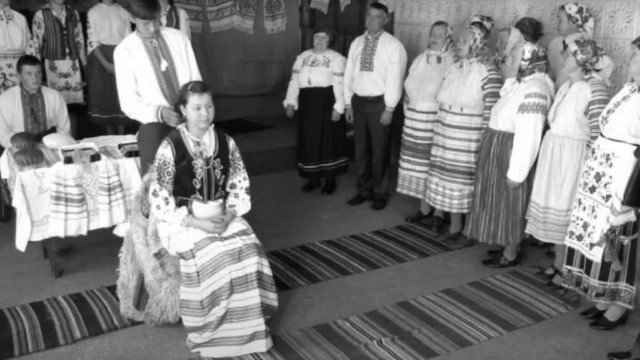
 The sound archive of the Institute of the Ukrainian Language of the NAS of Ukraine contains the most recordings from Kyiv, Cherkasy, and Luhansk regions. Dialects from over one hundred settlements are recorded specifically from Luhansk region. However, due to occupation, migration, and active hostilities, the region may lose its spoken language. Why it is important to preserve it, what is interesting about the dialects of Donetsk and Luhansk, and how one can participate in collecting dialects — in an interview with «Suspilne Donbas» senior research fellow of the dialectology department of the Institute of the Ukrainian Language of the NAS of Ukraine, Candidate of Philological Sciences, Nataliya Verbych, spoke.
Currently, the sound archive of the Institute of the Ukrainian Language has recordings from 26 villages in Donetsk and 118 in Luhansk regions. The oldest recording from Donetsk dates back to 1971 — from the villages Boyove and Kryvorizhzhia. Later recordings are from 1999 from villages such as Hryshyne, Luhanske, Prelesne, Serhiivka, Sribne, Stepne. The respondents are mostly women, notes Nataliya Verbych: “They are absolutely different. They vary in topics, duration, and even the quality of these recordings, but we have them and can listen to them and use them if needed. Most respondents are women; they are more willing to engage. Men are mostly busy with fieldwork. For a dialectologist, it is important to find older people who speak the dialect. For example, among those recorded are Olena Zaviriukha, born in 1902 from Boyove, and Kateryna Tatarenko, born in 1907,” the scholar said.
From Luhansk, even older recordings of dialect speakers are preserved — from 1967 and 1997. Covered settlements include Arapivka, Bahachka, Brusivka, Varvarivka, Krasnorichenske, Lyman, Lisna Polyana, Makiivka, Mykhailivka, Uspenka, Tarasivka, and others. Among the respondents is also a man — Denys Drozd, born in 1889 from the village Popasne. “After the start of the war, especially the full-scale invasion, these materials have become invaluable. No one can say how many dialects will be preserved. A village destroyed is a dialect destroyed. Will people return there and when, and will they speak as they once did? Therefore, these recordings are a super unique phenomenon for research,” the dialectologist notes.
Read the full interview text
Source: media portal “Suspilne Novyny”