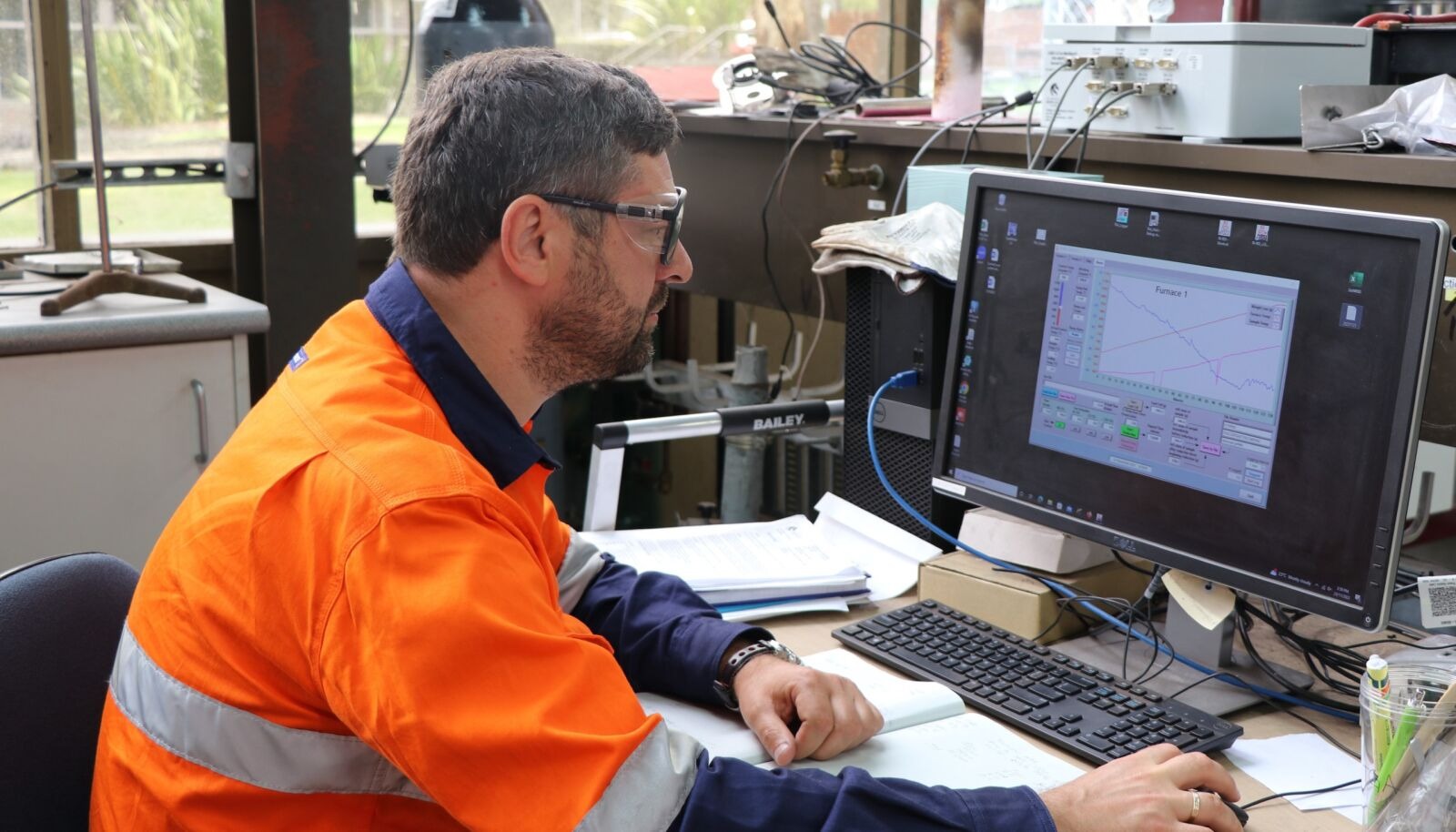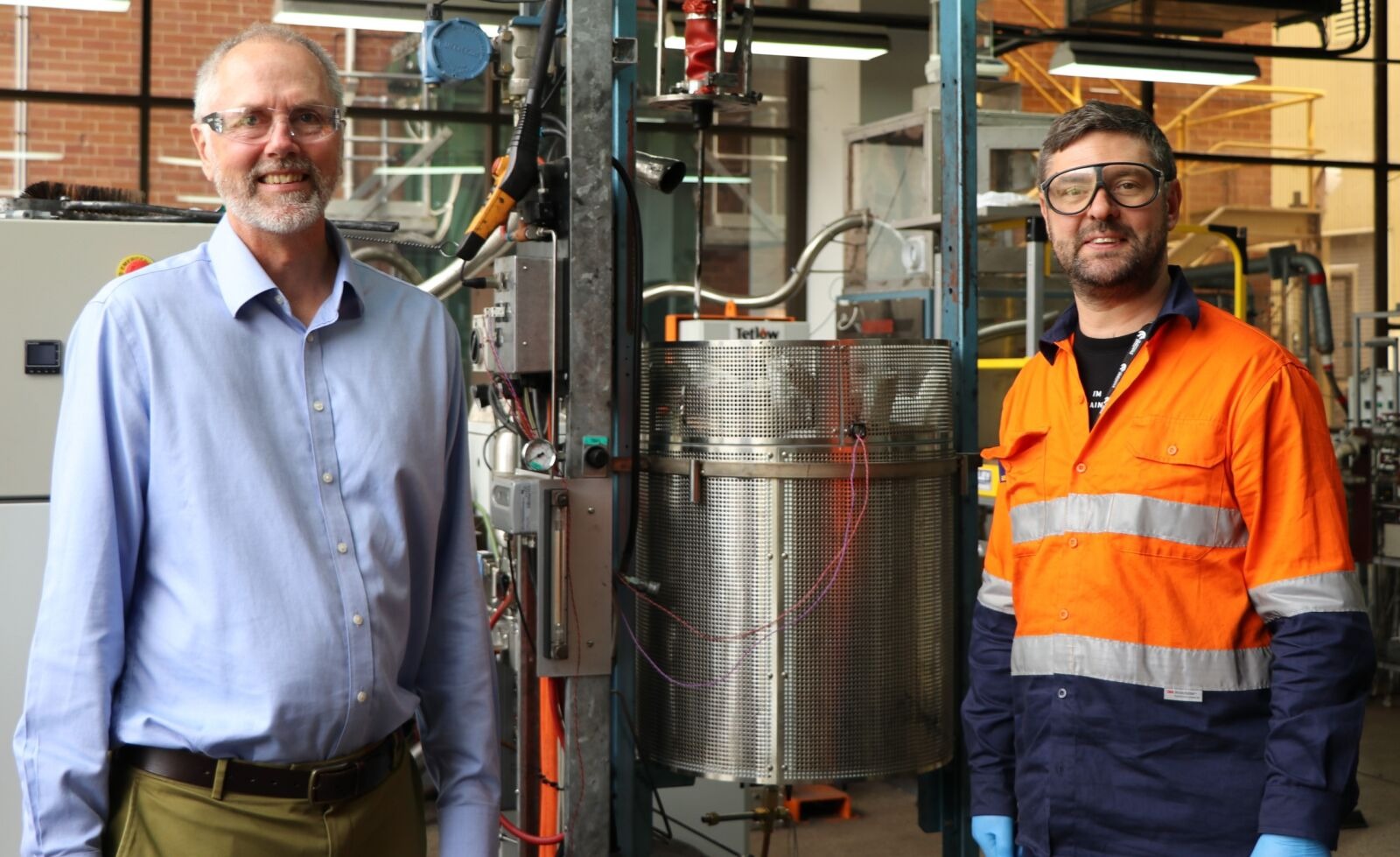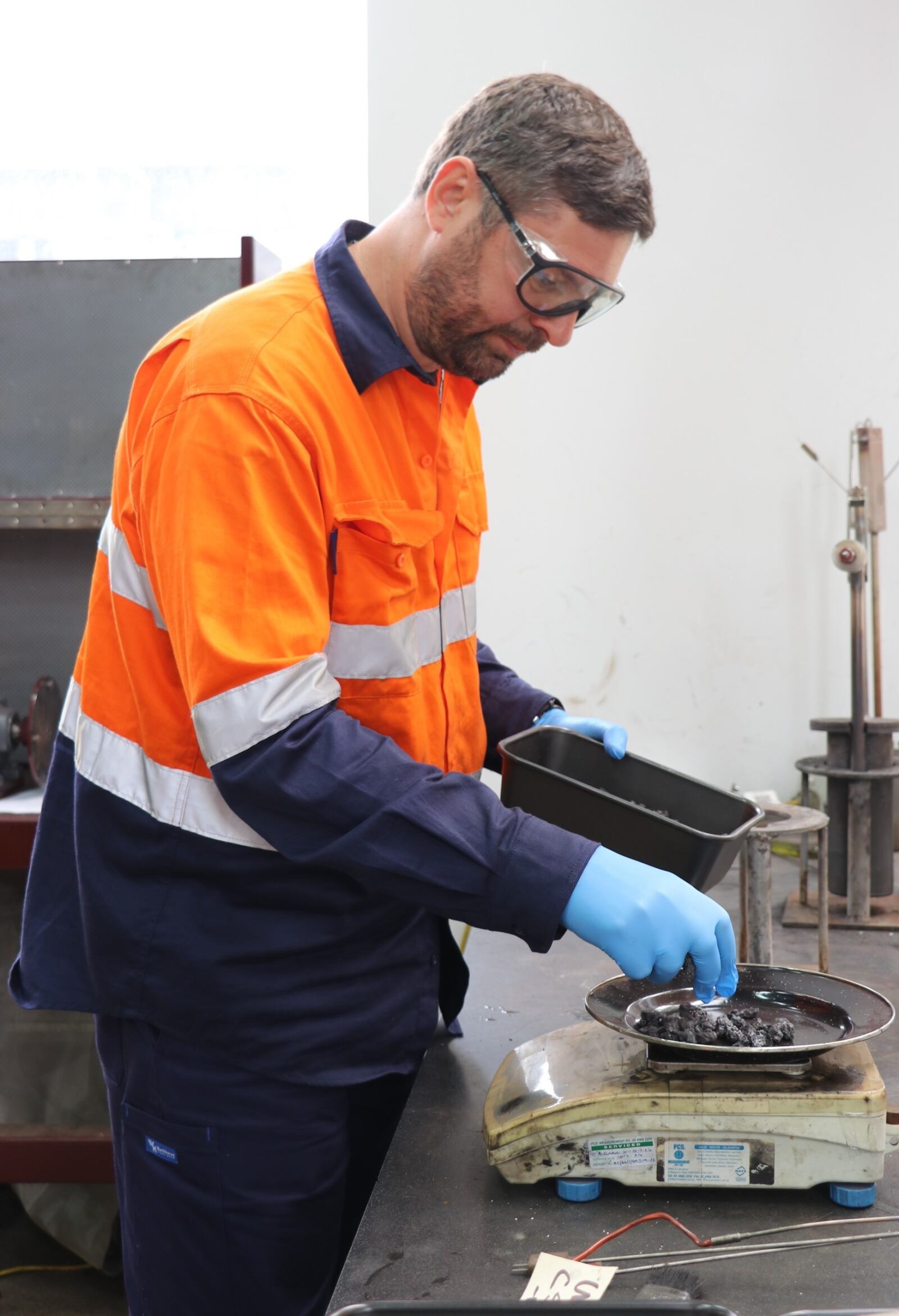
The Australian Academy of Sciences, with financial support from the non-profit organization "Breakthrough Prize Foundation," selected 14 grant recipients in the first round under the program supporting Ukrainian scientists affected by the war, to participate in project research at Australian universities. In October 2023, Oleksiy Merkulov, Doctor of Technical Sciences and Deputy Director of the Z.I. Nekrasov Institute of Ferrous Metallurgy of the NAS of Ukraine (Dnipro), arrived at the University of Newcastle (New South Wales) to begin joint research at the Centre for Ironmaking Materials Research (CIMR) of the Newcastle Institute for Energy & Resources at this university. Annalese Thomas, the communications project manager at the University of Newcastle, spoke with the Ukrainian scientist about his scientific career in Ukraine and his latest research in Australia. With the kind permission of the University of Newcastle, we publish the translation of this interview.
– Hello, Oleksiy! Tell us how you came into science.
– After finishing secondary school in 1998, I continued my studies at the National Metallurgical Academy of Ukraine in the Department of Heat Engineering of Metallurgical Furnaces. Entering the metallurgical academy was not unusual for me, as I was raised in an academic environment where most people were connected with science in the field of metals and alloys. In my 4th year, I received an invitation from Professor Yosyp Tovarovsky of the Institute of Ferrous Metallurgy of the NAS of Ukraine to conduct research in the field of blast furnace smelting and to prepare my bachelor's thesis in this area. The topic of metal smelting processes in the blast furnace fascinated me, and I prepared not only my bachelor's thesis but later also my master's (2003), candidate (2007), and finally doctoral dissertations (2021).
– What do you research?
– Upon arriving in Australia, I first studied the direction of water flow rotation as it exits an orifice, since I think this topic interested everyone back in school physics and geography lessons.
Returning to the main research, it is related to the following. Currently, hydrogen is considered as an alternative fuel source for smelting pig iron in blast furnaces to reduce CO2 emissions. CIMR has laboratory equipment that allows studying changes in various properties of iron ore materials under conditions close to production. This research is necessary because the use of hydrogen causes differences from traditional smelting regimes, particularly in the ratio of materials (sinter, pellets, etc.) with different properties in each section of the furnace. New knowledge will enable the formulation of requirements for the charge materials loaded into the blast furnace during metal smelting using hydrogen, as the distribution of materials ultimately affects both overall fuel consumption and the furnace's durability.
– What results do you hope to achieve from your research?
– The priority of the Institute where I work is reflected in its motto: "The main goal of fundamental scientific research and development is the effective implementation of their results in industry." Therefore, I hope that the research results will be effectively implemented at metallurgical plants to save resources and reduce the energy consumption of the pig iron smelting process in the blast furnace, which remains the primary unit for metal production from iron ore.
– What was your experience in Australia like?
– This is my first visit to this country, made possible thanks to the Ukrainian-Australian Research Fund of the Australian Academy of Sciences and the University of Newcastle. Before this visit, I was, of course, familiar with the publications and research results of CIMR under the leadership of Dr. Tomas Honeyands and Dr. Arash Tahmasebi. These are truly very interesting, notable, and breakthrough results. Thanks to Tomas Honeyands' assistance, I was able to get better acquainted with CIMR staff, their achievements, and the challenges they face in their research. Additionally, I gave a presentation about the developments of my Institute in the technical department of Australia's largest metallurgical plant, BlueScope Steelworks, and we discussed future collaboration with the Steel Research Hub at the University of Wollongong (New South Wales). I can confidently say that this acquaintance laid the foundation for our further cooperation, as there are many points of contact and shared scientific interests.
– What impressed you most in Newcastle?
– Undoubtedly, the diversity of flora and fauna differs from the latitudes familiar to me. I often found myself unconsciously "zoning out," watching the behavior of some bird or lizard. I must note that, besides its seemingly measured pace of life, Newcastle has a sufficient number of sunny days, so its residents do not experience a lack of sunlight, which psychologists believe provokes depressive and stressful states. That is why there are so many happy faces here.
According to information from the Z.I. Nekrasov Institute of Ferrous Metallurgy of the NAS of Ukraine