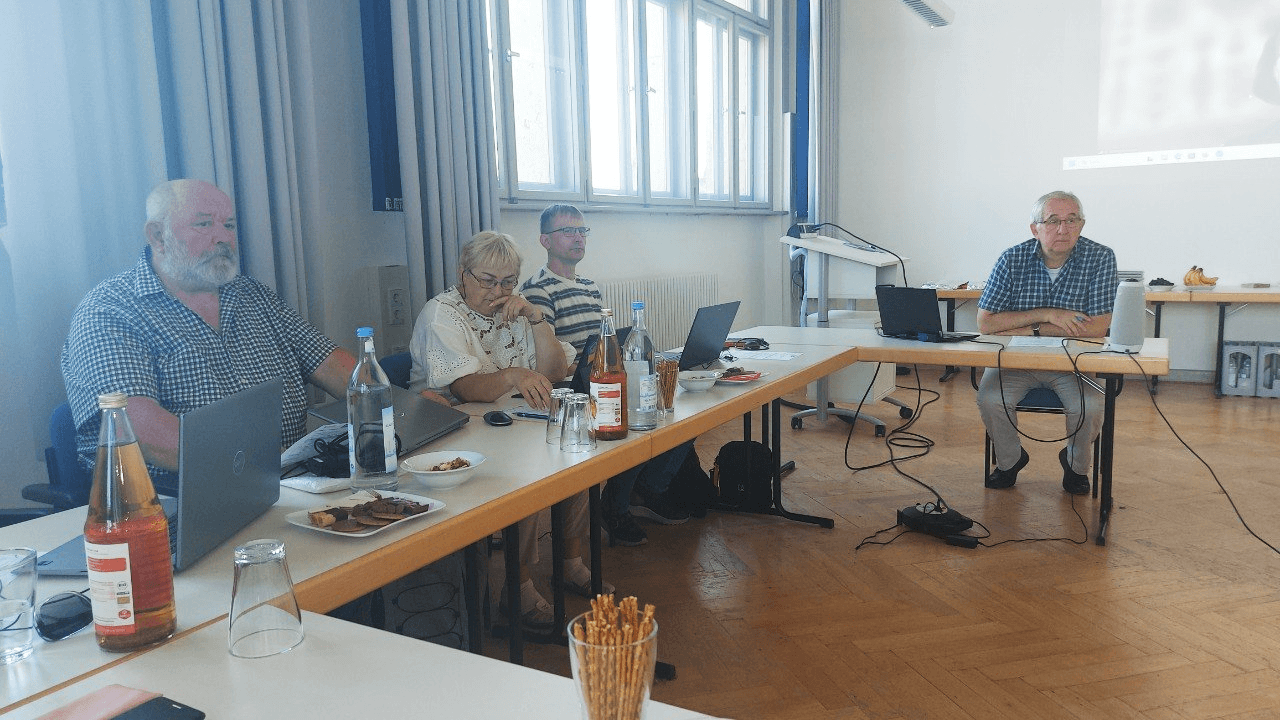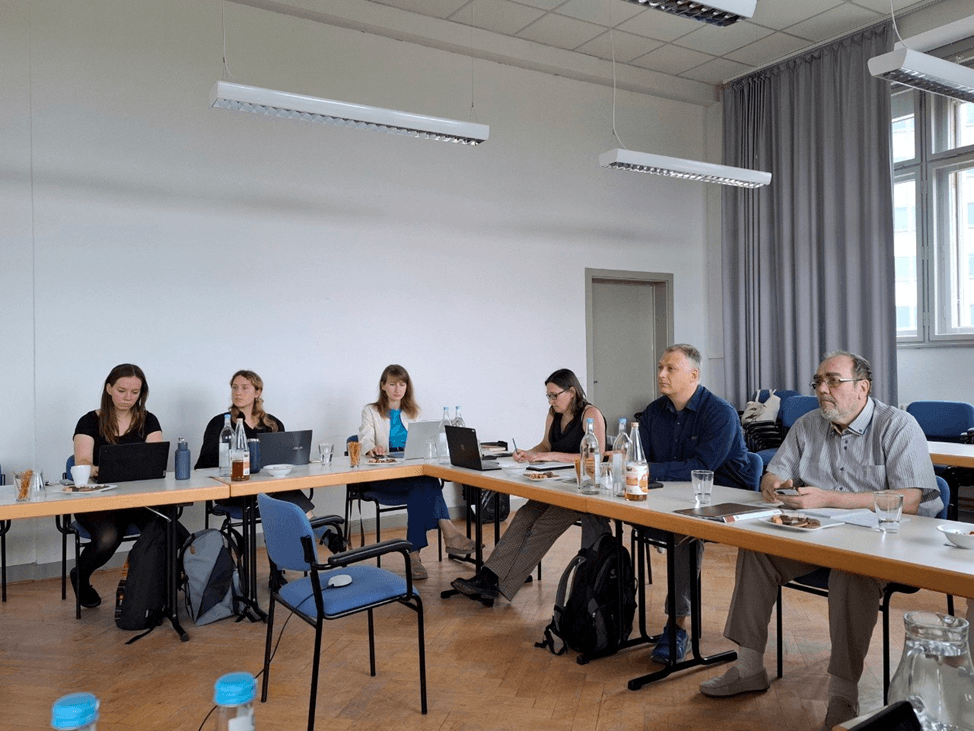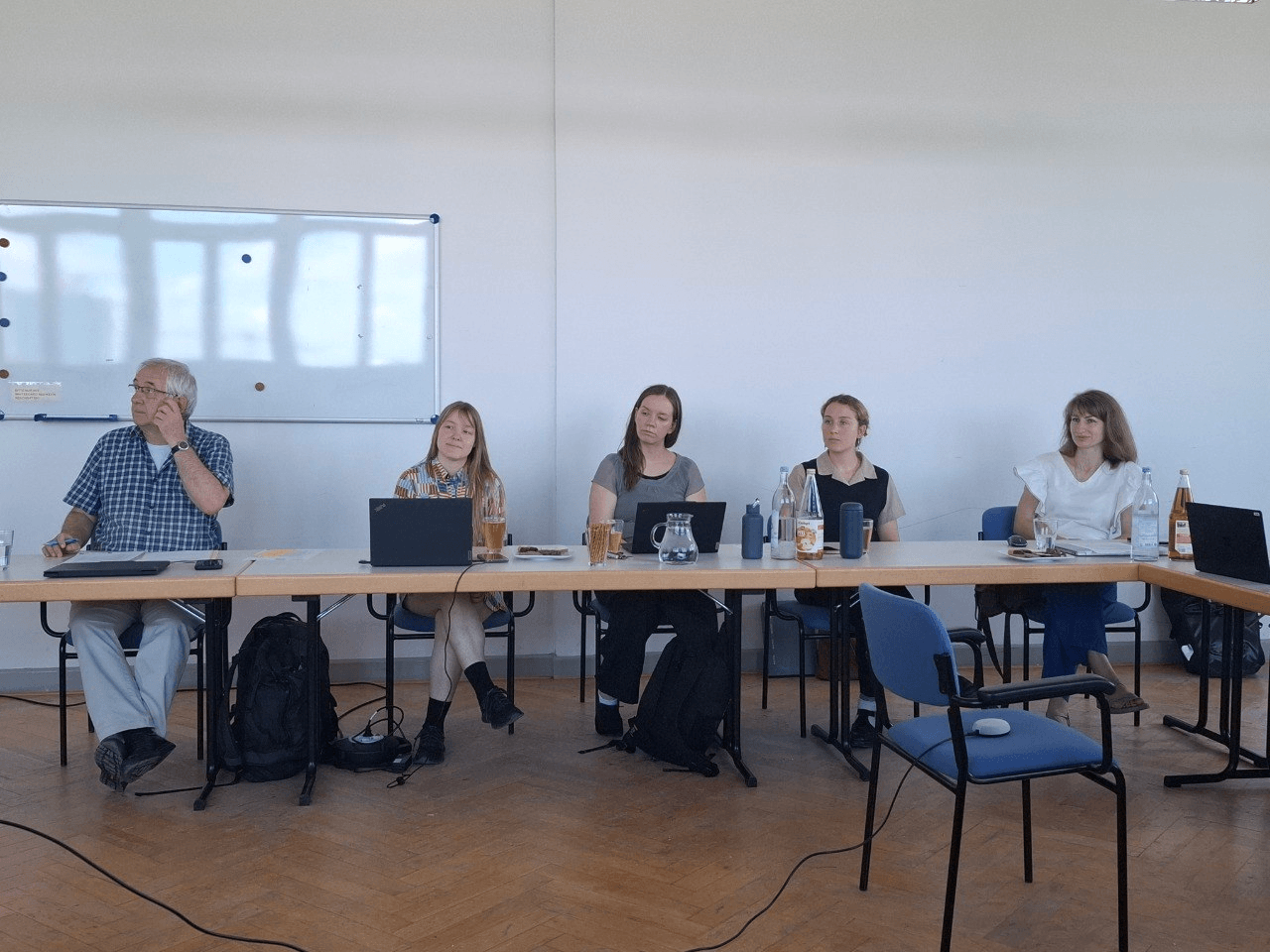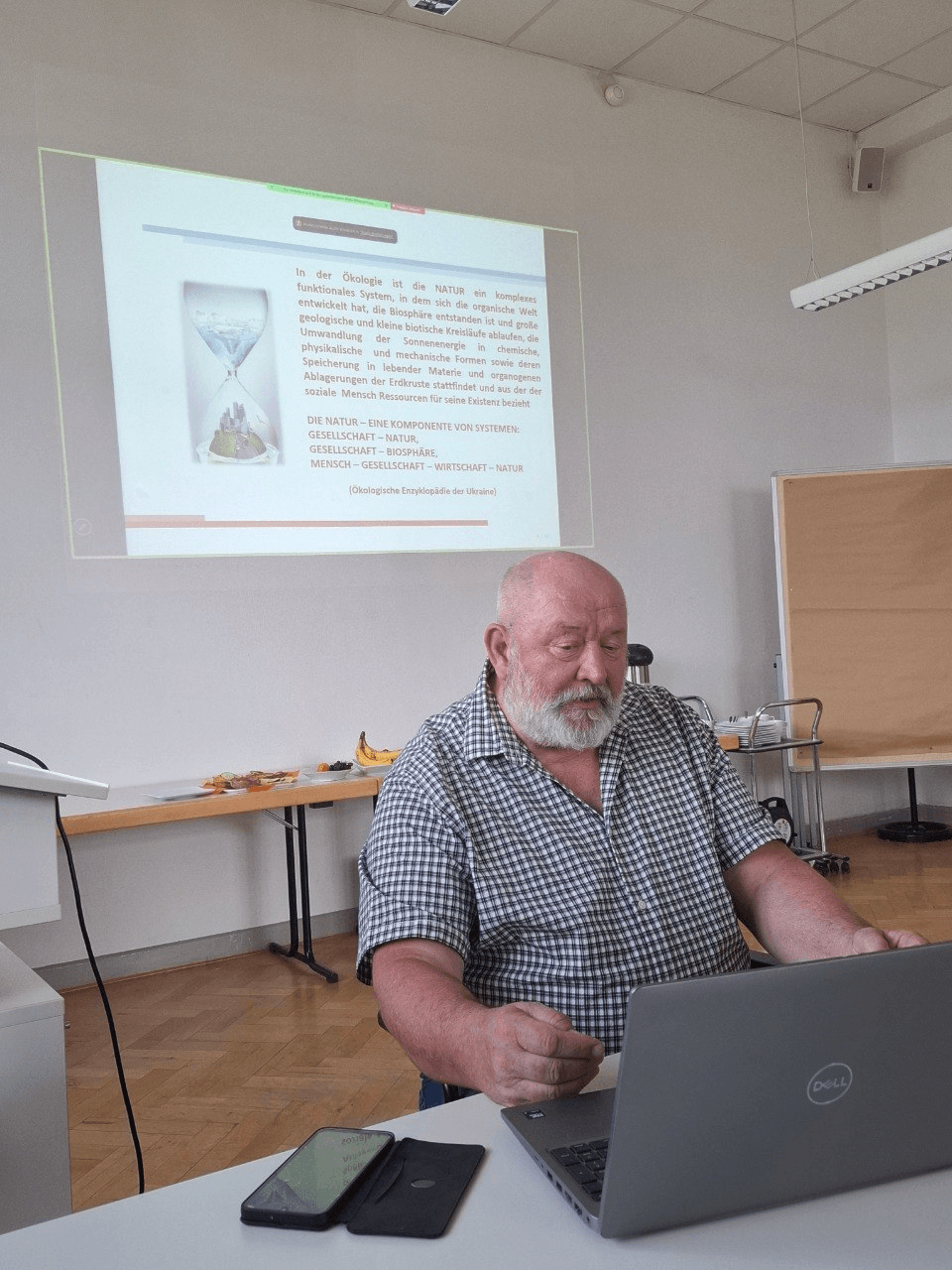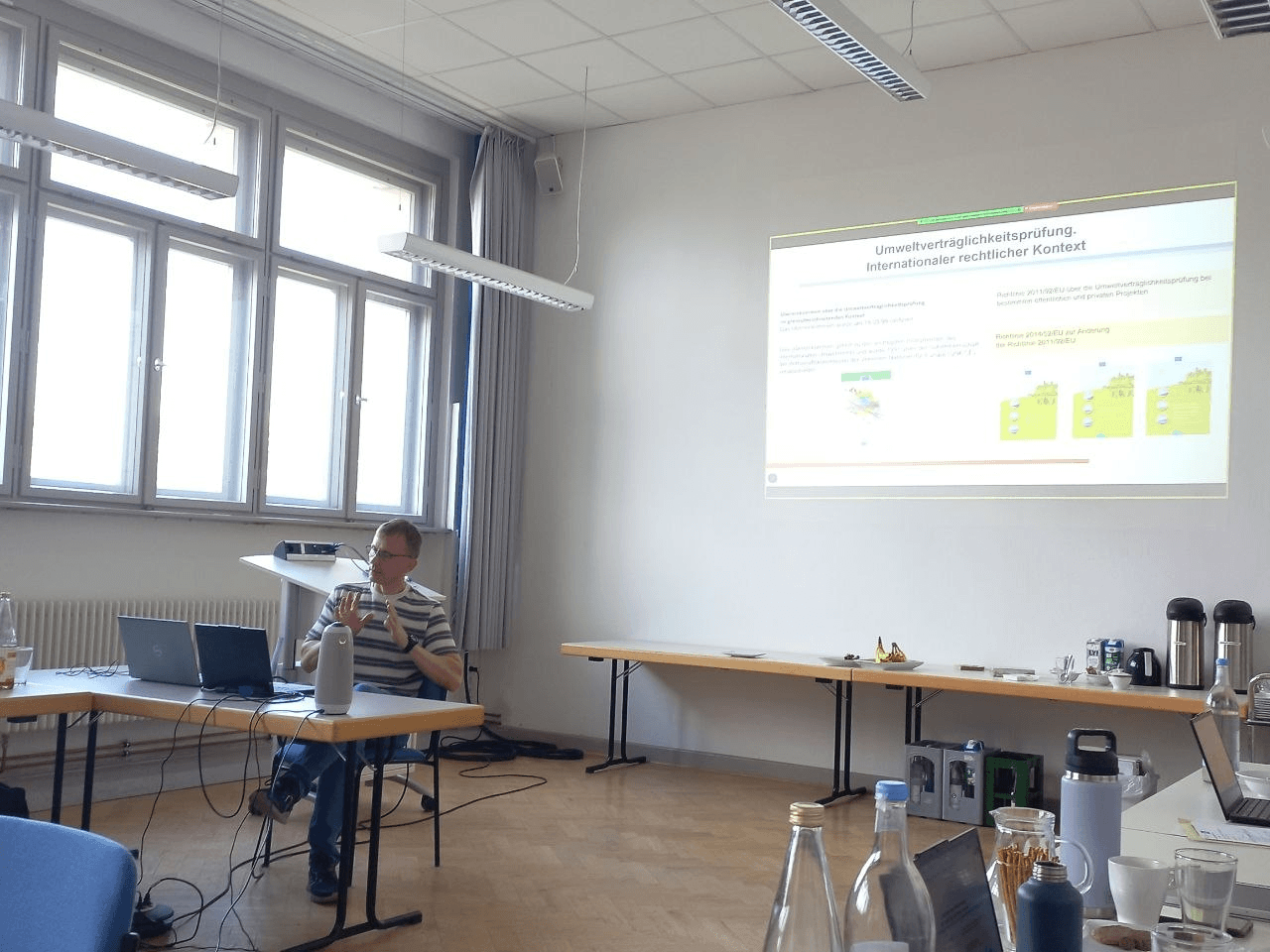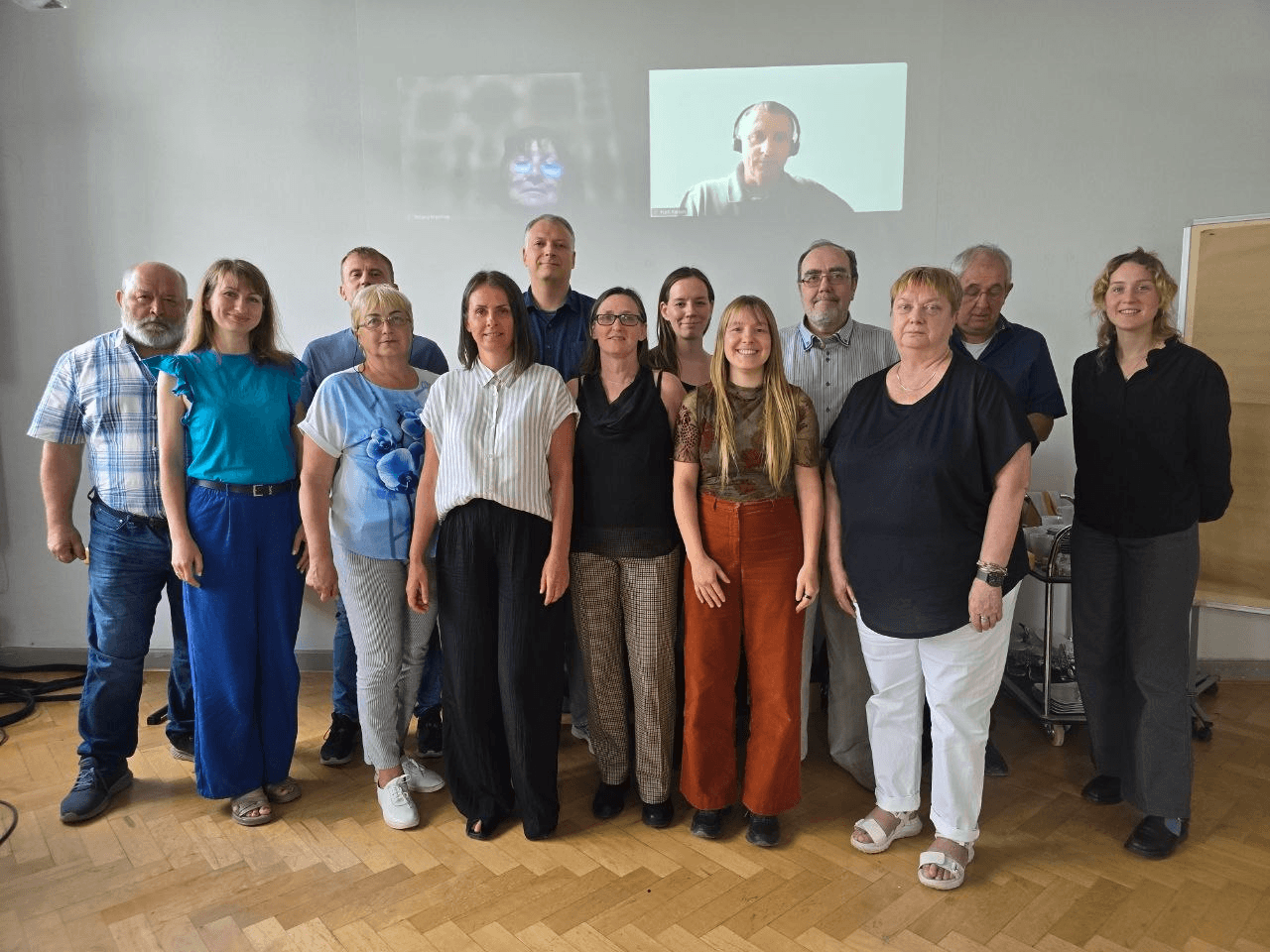
On July 2–3, 2026, at the Berlin Technical University (Germany), scientists from the Institute of Geography of the NAS of Ukraine – Yevheniia Maruniak, corresponding member of the NAS of Ukraine, Director of the institution, Serhiy Lisovsky, corresponding member of the NAS of Ukraine, Deputy Director for Science, Head of the Department of Socio-Geographical Research, and Viktor Chekhniy, PhD in Geography, Scientific Secretary and acting Head of the Department of Landscape Studies, participated in a seminar dedicated to the implementation of European environmental planning tools in the educational programs of higher education institutions of Ukraine for training specialists in various focus areas (E2 "Ecology," E4 "Earth Sciences," C6 "Geography and Regional Studies," G17 "Architecture and Urban Planning," G19 "Construction and Civil Engineering") and the implementation of these tools in spatial planning through the provision of appropriate methodological materials to practicing specialists.
The topic is being developed within the framework of cooperation between the Institute of Geography of the NAS of Ukraine and the Berlin Technical University, which over the years has involved specialists from leading planning institutions – the State Enterprise "Yu.M. Bilokon Ukrainian State Scientific Research Institute of Urban Design DIPROMISTO" and the "Ukrainian Scientific Design Institute of Civil Engineering" Limited Liability Company ("UKRNPICIVILBUD"), and V.N. Karazin Kharkiv National University as well.
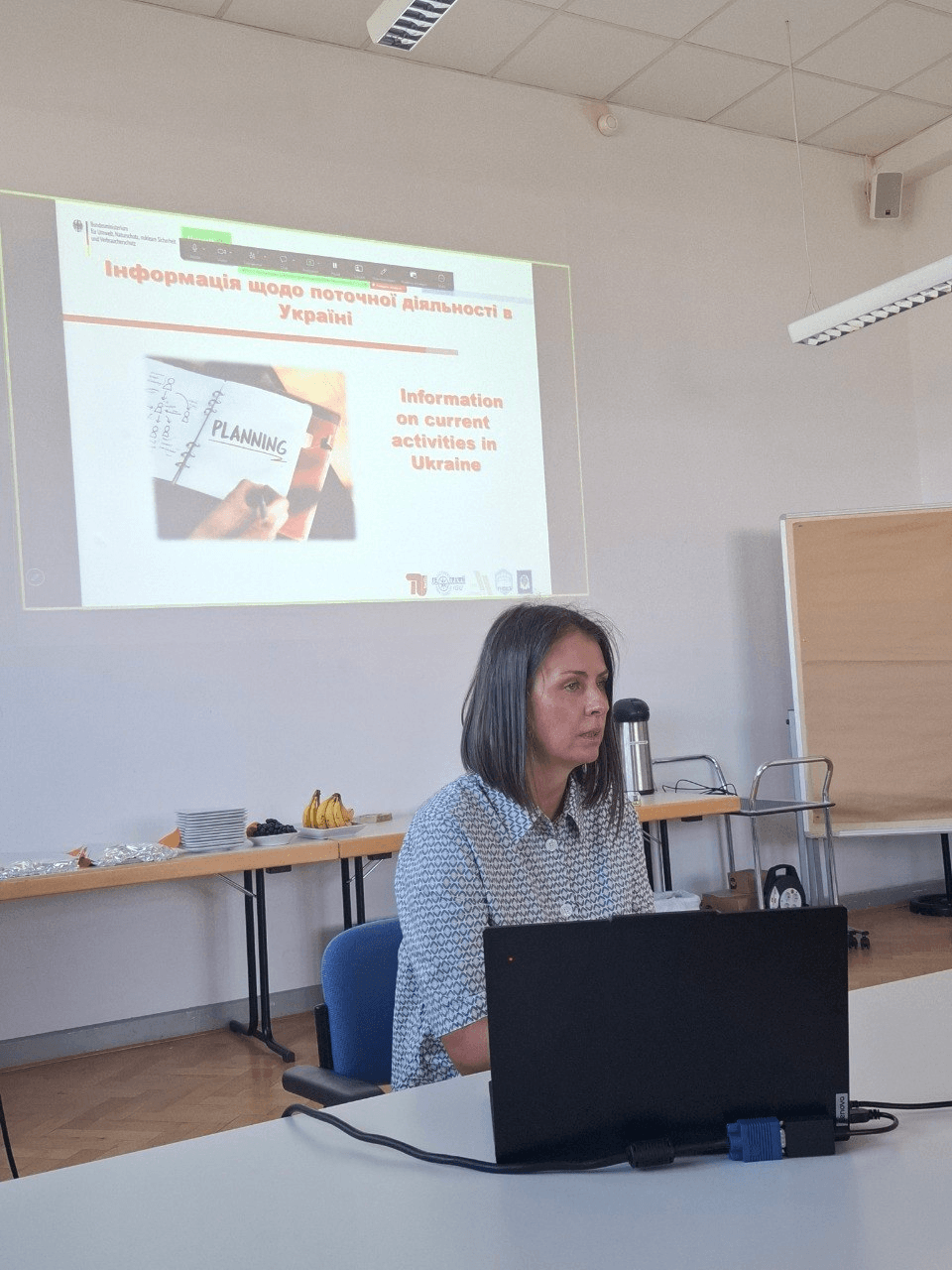
The Ukrainian participants of the event primarily informed their colleagues about the presentation of the environmental planning manual for practitioners (architects, land managers, ecologists), which took place on June 17, 2026, with the support of the National Union of Architects of Ukraine.
During the discussion with German colleagues, issues requiring further consideration within the improvement of the manual’s content were identified, particularly in the context of the realities of the Russian-Ukrainian war and post-war recovery.
Additionally, scientists from the Institute of Geography of the NAS of Ukraine made a presentation as part of a thematic overview lecture "Tools and Methods of Environmental Planning," covering the topics of landscape planning, principles of spatial/territorial planning, strategic environmental assessment, environmental impact assessment, protected areas, climate change mitigation, and adaptation.
The seminar participants were especially interested in students’ works closely related to environmental planning, carried out within the educational process at Kyiv National University of Construction and Architecture and V.N. Karazin Kharkiv National University.
German colleagues shared their own experience in organizing the training of specialists in environmental planning, particularly the use of interactive teaching methods and the execution of student projects as a key component of education in higher education institutions in Germany.
The attendees discussed the prospects of creating a master's program in environmental planning for higher education institutions of Ukraine.
Colleagues from Berlin Technical University also presented their vision of the potential use of landscape planning in the reconstruction of Ukraine.
The results of the Ukrainian-German seminar will serve as an important impetus for the active implementation of environmental planning tools in education and practice in the context of Ukraine’s post-war recovery and its path toward European integration.
Information is provided by the Institute of Geography of the NAS of Ukraine